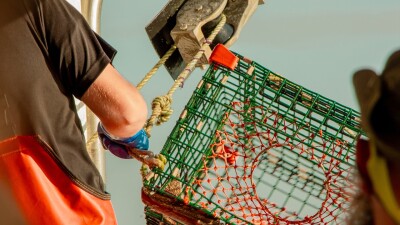


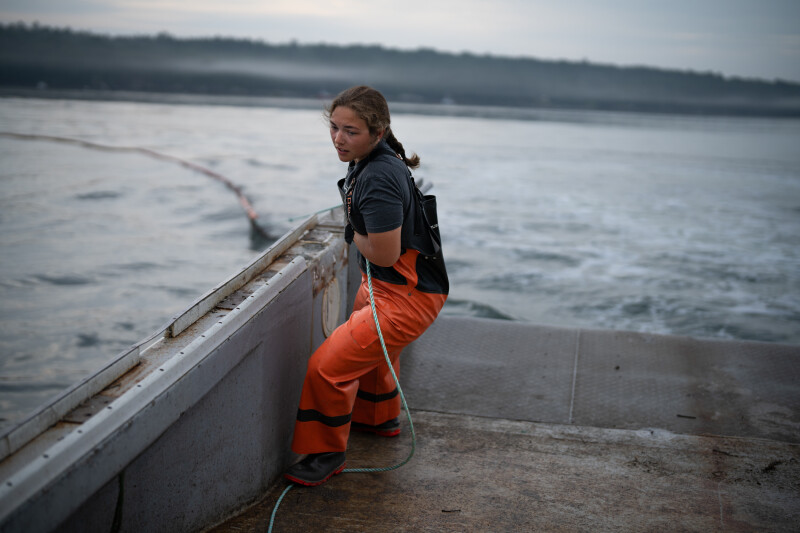
Fishermen are considered industrial athletes because their work takes strength, endurance, balance, and grit to handle long days on the water, hard physical demands, and dealing with unpredictable weather. Because of this, shoulder, wrist, and elbow issues are common among fishermen. But to understand why fishermen have overuse injuries in these areas, it helps to start with the basic patterns of human movement, which are push, pull, squat, hinge, lunge, and carry.
These moves show up everywhere, whether you’re in a gym or on a deck.
Fishermen push traps, bait barrels, gear, and equipment across decks or onto trailers. They haul traps, pull lines, and lift heavy gear all day long, which is pure pulling work. Squatting down to sort catch, move gear, or access fish holds happens constantly. Hip hinging is essential when lifting bait boxes or traps from the ground or deck. Working in a lunge position is natural when reaching for gear, especially on an unstable surface. And carrying traps, crates, and trays demands grip strength and total-body stability.
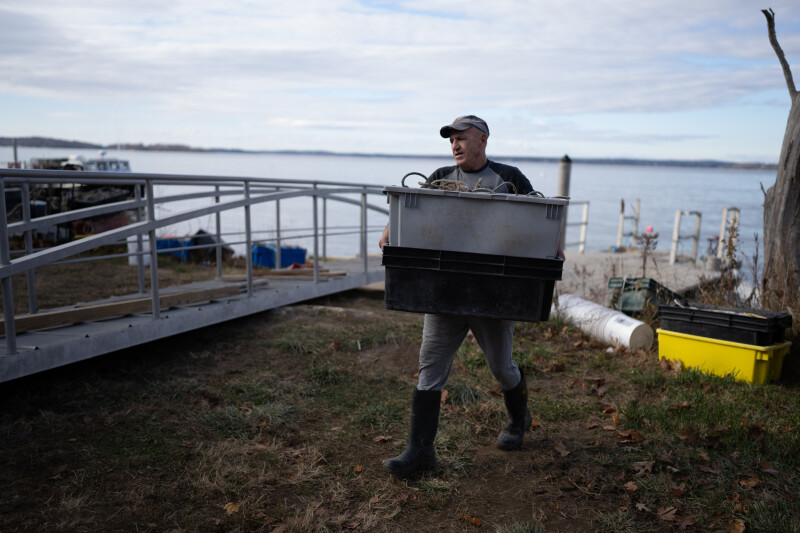
Carrying is especially important because it is the ultimate test of functional fitness. It forces the entire body (shoulders, core, hips, and legs) to work together while maintaining balance on a rolling deck. Michael Easter, author of The Comfort Crisis, often highlights loaded carries and rucking as some of the most “ancestral” movements humans can do. He points out that our bodies evolved to move weight across distance and that this simple practice builds both strength and resilience. Easter also notes that carrying heavy loads doesn’t just train muscles; it strengthens mental toughness, something fishermen show every day.
For fishermen, these six movements are not occasional. They are performed thousands of times a week, often under load and often in awkward and precarious positions. Unlike athletes who can train, recover, and plan their movement patterns, though, fishermen repeat the same motions day after day with little chance for rest. Over time, this repetitive stress leads to a host of musculoskeletal issues, especially overuse injuries in the shoulders, wrists, and elbows.
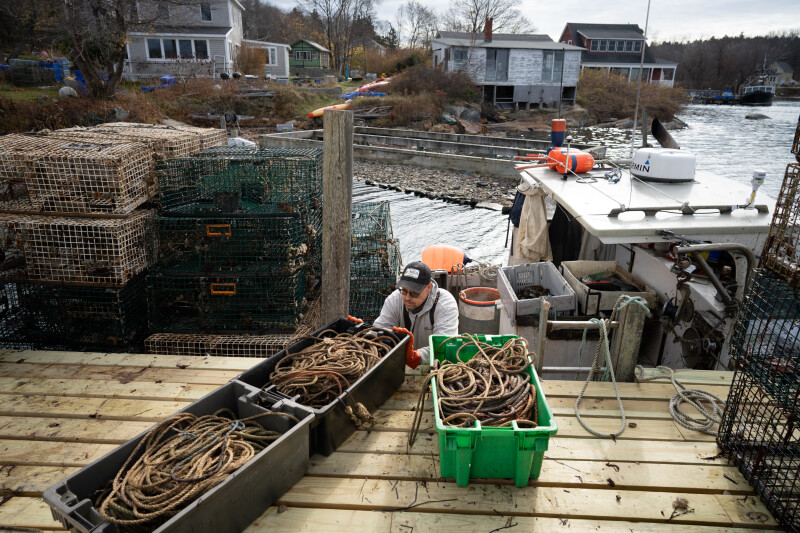
A fisherman’s shoulders take a beating. The shoulder is a ball and socket joint and our most mobile joint, but that mobility can cost stability. Every trap hauled or line pulled strains the small stabilizing muscles. Over time, that can lead to rotator cuff tendinopathy, impingement, or even cartilage damage, which are the same injuries baseball players get. But unlike pitchers, fishermen rarely get the luxury of rest.
Fishermen also rely heavily on their grip strength, which makes the wrists particularly vulnerable. Sorting catch, tying knots, mending nets, operating winches, gripping traps, banding lobsters, squeezing hog-ring pliers, and handling ropes all require constant wrist flexion, extension, and rotation. These motions, when performed repetitively under tension, place tremendous stress on small joints and tendons in the wrist and forearm. Tendinitis and tenosynovitis which is inflammation of wrist and forearm tendons caused by repetitive gripping, are common. Carpal tunnel syndrome can also develop when the median nerve is compressed from constant hand motions, leading to numbness, tingling, and weakness.
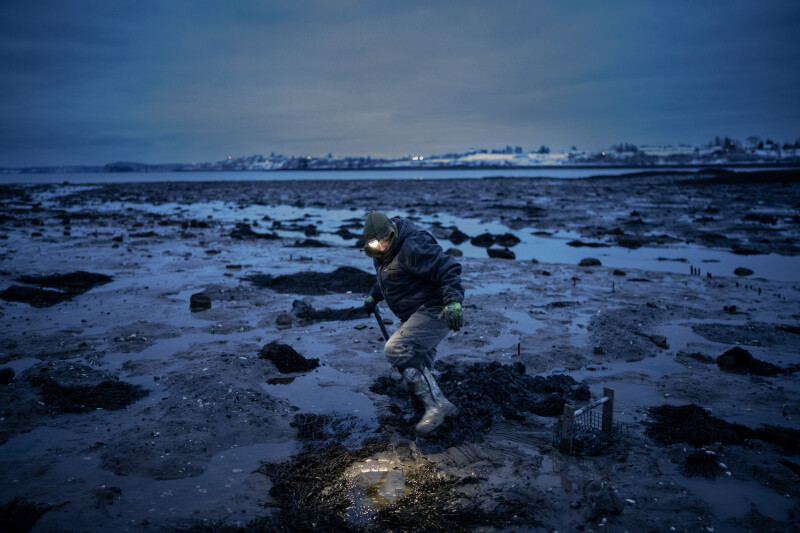
The elbows act as the link between strong arms and precise hands. In fishing, the repetitive pulling of lines, lifting of traps, and gripping of heavy gear places enormous demand on the elbow joint. Lateral epicondylitis, or tennis elbow, occurs when the forearm extensor muscles are overused. Medial epicondylitis, or golfer’s elbow, causes pain on the inside of the elbow from overuse of the flexor muscles, often triggered by hauling or lifting with bent wrists. Repetitive elbow flexion and pressure can also irritate the ulnar nerve, causing tingling down the forearm and into the hand. These injuries are common in sports like rowing, golf, or batting in baseball, where constant elbow flexion and forceful gripping are routine, but fishermen deal with them for much longer hours and in harsher conditions.
Unlike traditional athletes, commercial fishermen face unique factors that increase their risk of musculoskeletal problems. Tasks are performed daily, often thousands of times, with no true off-season. Working on a moving deck requires constant stabilization in less-than-ideal postures. Traps, lines, and gear are not ergonomically designed for human handling. Cold, wet conditions reduce circulation and dexterity, which adds strain. And long days leave little room for recovery or self-care. And this is all true whether you’re working on the boat or working on gear in the shop. Mending nets, squeezing hog ring pliers, and stacking traps repeatedly can also cause overuse discomfort and pain.
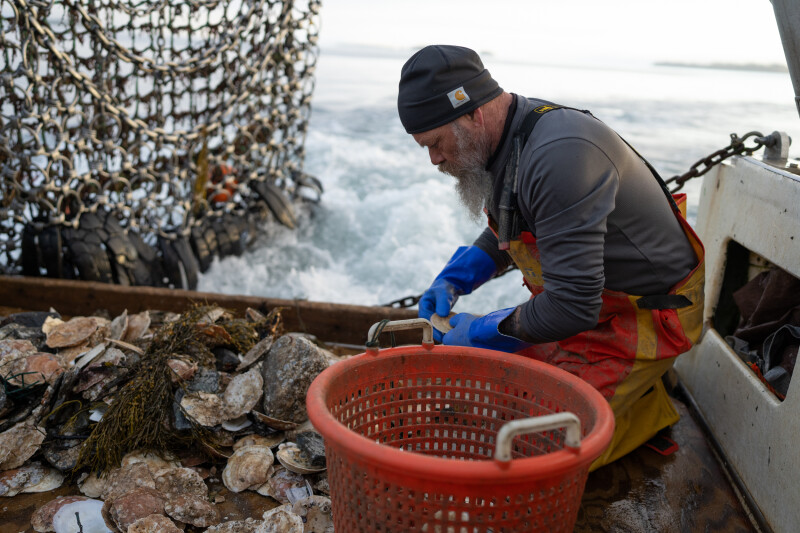
While the realities of commercial fishing make complete prevention impossible, there are ways to lower the risk and severity of overuse injuries. Building stronger muscles around the shoulders, elbows, and wrists helps protect joints and tendons, and exercises that mimic the six basic movements (push, pull, squat, hinge, lunge, and carry) are especially helpful.
Working with a physical therapist early on can help identify problem areas before pain becomes chronic, and regular bodywork from a licensed massage therapist during the season can ease tension and improve circulation. (Bodywork is not just for relaxation. As a matter of fact, working with a massage therapist on injury recovery or alignment can sometimes not feel relaxing at all, but the relief afterwards makes it worth it.)
It is also worth remembering that mindset matters. A well-known 2007 Harvard study of hotel cleaners found that when workers were told their daily tasks met the Surgeon General’s recommendations for exercise, they later showed reductions in blood pressure and improvements in body composition, even though their workload had not changed. Viewing physical jobs as workouts seemed to shift both mindset and physiology. For fishermen, thinking of hauling traps and carrying bait as a form of strength training can shift your mindset from one of just work to one of both work and strength, and because of this, your body deserves rest and recovery.
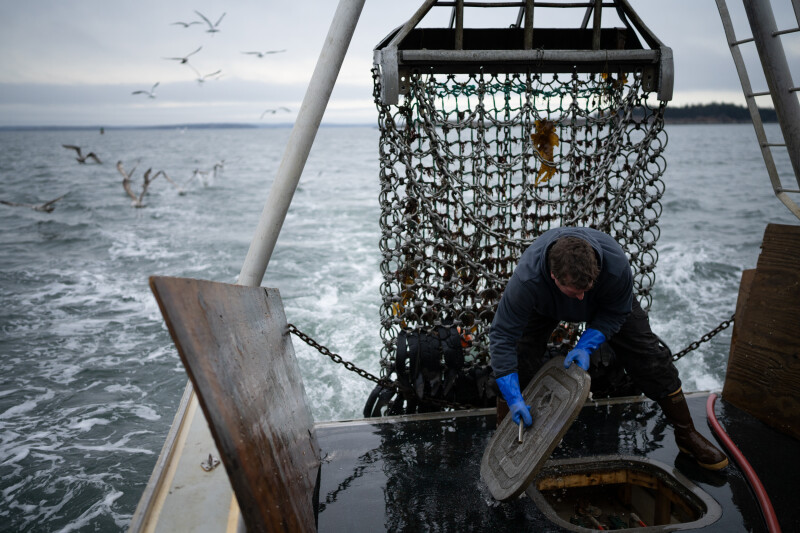
After hauling gear and working long days, the body needs a break to rebuild. Active recovery doesn’t have to mean a yoga class. It can be things like a slow walk up the road after dinner, playing outside with the dog, tossing a ball around with the kids, stretching with a resistance band, or even a casual game of pickup basketball. Short sessions of foam rolling, a soak in a hot tub, or simply taking time to loosen up the shoulders and back with a few basic mobility moves can keep muscles and joints working well without adding more wear and tear.
Recognizing fishermen as industrial athletes highlights the need for preventative strategies, strength and mobility training, and better access to health support systems so they can continue their demanding and essential work for years to come.
Work like a fisherman. Recover like an athlete.