




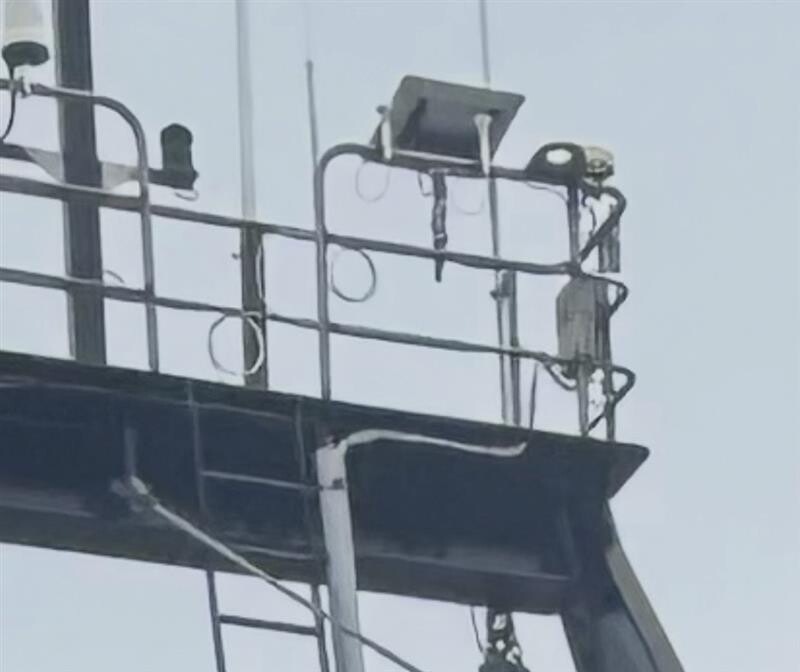
For generations, once a fishing vessel cleared the harbor, communication thinned out fast. Spotty cell service, expensive satellite plans, and limited bandwidth were just part of the job. Over the past few years, that reality has started to shift, and for many commercial fishermen, Starlink has been at the center of that change.
Across Facebook fishing groups, docks, and wheelhouses, fishermen say they are increasingly turning to Starlink — or Starlink-powered cell options — to stay connected offshore. The feedback is consistent: when it works, it works really well. However, questions regarding cost, contracts, and customer support persist across all U.S. coasts.
From cell boosting to satellites
The conversation often starts with frustration. On Nov. 11, 2025, fisherman James Hanson posted on the Facebook group All Things Lobstering, asking whether anyone had luck with cell boosters offshore after losing service just 20 miles out.
The replies pointed in the same direction. One commenter recommended the T-Mobile parentship with SpaceX (Starlink), known as T-Satellite. Fishermen said they’d been offshore about 20 to 30 miles out with reliable service. “Just texting for now,” the fisherman wrote, noting that expanded services are expected down the road. The commenter added that for an extra $10-$15 per month, the service was absolutely worth every penny, and criticized AT&T and Verizon as overpriced for what they deliver. The same users reported that the service performed well both offshore and on land, from rural Maine to Massachusetts’ North Shore.
Others chimed in recommending Starlink’s hardware outright. One fisherman said the setup was simple — install, connect, and go — using the $59 roaming plan. Another noted that once beyond 17 miles offshore, users needed to switch to “ocean mode,” which can be done easily through the Starlink app.
What fishermen like about Starlink
In April 2025, lobsterman Alan Donahue asked the All Things Lobstering Facebook group whether anyone had installed Starlink onboard for offshore wi-fi. The responses showed how widely adopted the technology has become.
“We had Starlink on the Starlight — it worked good. Could get on my cell phone out on Georges like I was on shore,” one fisherman wrote.
Another said Starlink has been installed across an entire fleet. One commenter estimated that 39 out of 40 boats on their wharf were running Starlink and said it “works perfectly.” Several others echoed the comments, saying it was reliable, fast, and easy to use.
For boats running multiple devices, the system appears to hold up. One fisherman said they use an unlimited plan with five to six people onboard running phones, TVs, and laptops simultaneously with no slowdown, whether tied up or fishing near the Hague Line, which is the international maritime boundary between the U.S. and Canada in the Gulf of Maine. The tradeoff commenters noted was cost, particularly when users exceed their data plan limits.
Beyond convenience, fishermen pointed to quality-of-life improvements. One commenter described Starlink as “just another form of communication if something fails,” adding that the ability to be in contact with loved ones while streaming out or back in is a meaningful benefit.
The feedback hasn’t been all positive. In the West Coast Fisherman Facebook group, fisherman Lyle Pierce raised concerns in May 2023 about Starlink’s pricing structure for small vessels operating close to shore.
Pierce said many nearshore fishermen had purchased roaming packages without realizing that using them in coastal water could be considered a breach of contract. In a support ticket submitted through the Starlink app, Pierce wrote that maritime plans were “unaffordable to small vessel operators: and that multiple boats had received breach notices. He also noted that his vessel used 257 gigabytes in two weeks, a level of data usage that could quickly become cost-prohibitive.
Other fishermen commented that they had sent multiple messages through the app without receiving a response and suggested asking the company for a small-vessel discount.
Adding to the confusion, group member Heather Steves shared Starlink’s definition of land versus “ocean” usage areas in May 2023. According to the Starlink Availability Map, areas marked “Available, Waitlist, or Coming Soon” are considered land regions, while blacked-out areas are classified as ocean. Only Mobile Priority Data is allowed in ocean regions and use in territorial waters depends on government approval.
In April 2025, National Fisherman boats and gear editor Paul Molyneaux reported that Starlink had already reshaped satellite communications for commercial fishing since opening maritime services in 2023. Small and large vessels alike adopted the system for everything from performance monitoring to video calls home.
“Nearly everyone has gravitated to Starlink,” Erik Sundhold of Network Innovations told National Fisherman, citing its simplicity and lack of moving parts.
Molyneaux also reported on two newer developments: the Starlink Mini, a portable antenna system offering 50 gigabytes for $50 per month or unlimited for $169, and Starlink’s satellite-to-cell-technology. While Sundholm said fishermen hadn’t shown much interest in the Mini, he called satellite-to-cell connectivity, also known as T-Satellite, “the game-changer,” allowing basic phone messaging at sea without the specialized equipment.
Starlink states that customer support is available 24/7 through its app and website, with tickets submitted through the app preferred because they include diagnostic data. However, based on conversations with fishermen and posts across Facebook and Reddit, some users find the app-only support model frustrating, particularly for older fishermen who are less comfortable with new technology.
There are also reports that Starlink connectivity can be less reliable on smaller vessels in rough conditions, whereas larger vessels tend to experience fewer issues.
.png.small.400x400.png)
