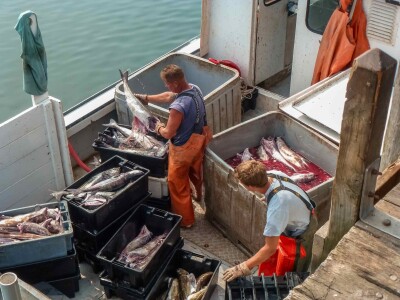


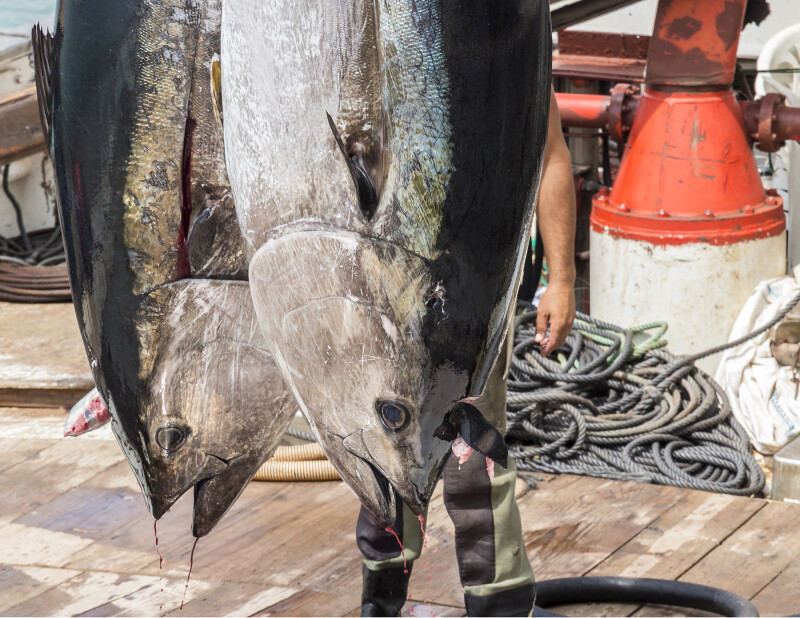
The United States delegation to the 2025 annual meeting of the International Commission for the Conservation of Atlantic Tunas (ICCAT) secured the largest single-year increase in U.S. Atlantic bluefin tuna quota in the history of the fishery.
U.S. negotiators, led by NOAA Principal Deputy Assistant Secretary for International Fisheries Andrew Lawler, obtained an additional allocation of 231 metric tons of Atlantic bluefin tuna. The increase represents a 17% rise in baseline quota and allowances for U.S. fishermen. The higher total allowable catch will take effect beginning in 2026.
The agreement required unanimous approval from all 55 ICCAT member parties across the Atlantic basin. In addition to the quota increase, the U.S. secured a commitment from all parties to hold discussions in March on the natural distribution and mixing of Mediterranean and Gulf of America bluefin tuna stocks. Those discussions will focus on incorporating genomics research and tagging studies into future bluefin tuna management, with the goal of reassessing the ratio between eastern and western stock allocations.
“We are very pleased with the successful results of our negotiations for both our recreational and commercial fisheries,” said Neil Jacobs, Ph.D., undersecretary of commerce for oceans and atmosphere and NOAA administrator. “We are proud of the work our team has done to provide a voice for America’s fishermen.”
The ICCAT meeting was held Nov. 17–24 and brought together representatives from 55 nations to negotiate management measures for Atlantic tuna, swordfish, billfish, sharks, and protected species. In addition to actions affecting bluefin tuna, the commission adopted a management procedure for western Atlantic skipjack tuna and finalized a management procedure for North Atlantic swordfish. The U.S. retained its historic swordfish quota of 3,907 metric tons.
The U.S. continued to hold several leadership roles within ICCAT during the meeting, including chair positions and a newly elected vice-chair role in the Permanent Working Group, which addresses illegal, unreported, and unregulated fishing. The U.S. delegation also co-sponsored an update to ICCAT’s recommendation on implementing the Port State Measures Agreement to strengthen inspection and enforcement tools.
No agreement was reached on a proposed shark conservation measure that would require sharks to be landed with fins naturally attached. The commission deferred several other issues to future meetings, including blue and white marlin rebuilding plans, yellowfin tuna management and quota allocations, and expanded monitoring and enforcement measures. ICCAT members also agreed to continue intersessional discussions on developing a high seas boarding and inspection strategy.