

Despite a massive marine heatwave that gripped the eastern Pacific through much of 2025, the West Coast marine ecosystem held its own — thanks largely to strong wind-driven upwelling, according to NOAA Fisheries' annual California Current Ecosystem Status Report.
"Warming continues to be an inescapable reality off the West Coast, but upwelling saved the day," said Andrew Leising, a research oceanographer at NOAA's Southwest Fisheries Science Center. The cold, nutrient-rich water pushed to the surface helped keep the ecosystem productive and held heatwave warmth offshore.
The good news carried through the food web. Krill proved abundant coastwide, and juvenile salmon, young rockfish, and anchovy all flourished — providing vital prey for salmon, whales, and seabirds. Seabird colonies along the West Coast largely recovered from prior years of low productivity. Surveys even recorded the highest numbers of juvenile coho and chum salmon on record, a promising indicator for future adult returns.
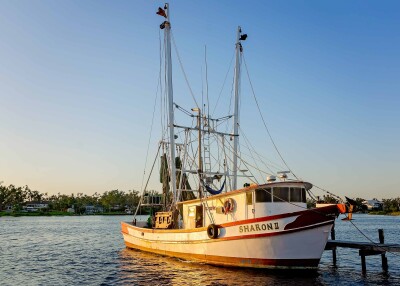
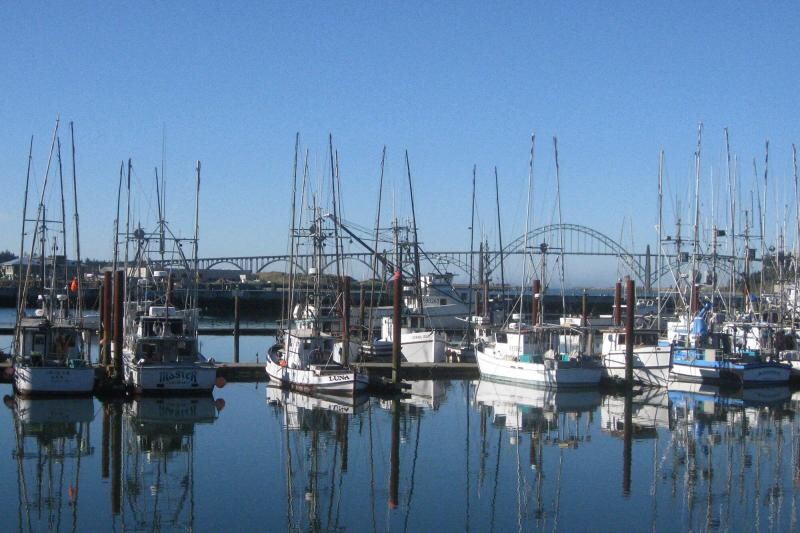
On the commercial side, total landings climbed roughly 25 percent over 2024 — which had posted the lowest totals since the 1980s — driven by stronger catches of Pacific whiting and market squid. Revenue rose about 6 percent year-over-year. However, weak crab, salmon, and coastal pelagic finfish landings kept overall totals below the five-year average.
The picture wasn't without concern. A large harmful algal bloom in early 2025 poisoned hundreds of sea lions and dolphins and hampered the Dungeness crab fishery. Meanwhile, four coastal fish processors closed, deepening economic strain in communities from Puget Sound to Northern California.
.jpg.small.400x400.jpg)