SeaD Consulting’s summer updates revealed a patchwork of honesty and misrepresentation across Gulf Coast restaurants. Using their patented Rapid ID Genetic Hi-Accuracy Test (RIGHTTest), the firm analyzed shrimp dishes from Corpus Christi, Houma, Slidell, and Mobile, uncovering both strong compliance and troubling gaps in truth-in-menu standards.
Corpus Christi
In Texas, the results were stark. SEAD Consulting tested shrimp dishes from 44 Corpus Christi-area restaurants and found that only 19 were confirmed to be serving genuine wild-caught domestic shrimp, while 25 were not.
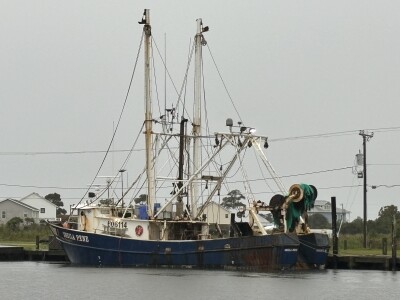
“With shrimp boats docked alongside coastal restaurants surrounding Corpus Christ, there is no excuse for more than half of sampled restaurants to be duping their diners,” said Erin Williams, founder and COO of SeaD.
The investigation revealed that 21 of the noncompliant restaurants explicitly described shrimp as local or domestic, while four others implied Gulf sourcing through their branding. Shrimp boat owner and Southern Shrimp Alliance board member, Ken Garcia, said, “We don’t want these restaurants to stop saying they are selling Gulf shrimp, we want them to actually start serving it.”
Houma
In Houma, Louisiana, testing of 24 restaurants revealed that 16 dishes, or 67 percent, contained authentic Gulf shrimp, while 8, or 33 percent, were imported. Of those, three were explicitly mislabeled as local, and the overall inauthenticity rate was 13 percent.
“Down here, Gulf shrimp isn’t just seafood- it’s identity,” said Lance Nacio, Houma shrimper and Louisiana Shrimp Task Force board member. “I’m glad to see that 87 percent of restaurants are doing the right thing for generations of hardworking shrimpers and trusting customers who believe they are supporting the local shrimping industry. Shame on the handful of restaurants who are misrepresenting what they are selling.”
Houma restaurant owner, Al Mahler, of Big Al’s added to SeaD’s release, “My kitchen serves wild-caught Louisiana shrimp because that’s what we believe in. People don’t come here for shortcuts- they come for tradition, flavor, and trust.”
Slidell
On Louisiana’s north shore, results were encouraging. Out of 24 shrimp dishes sampled in Slidell, 21 were confirmed as authentic Gulf shrimp, an 87 percent authenticity rate, equal to findings from New Orleans earlier this year.
“Slidell has always been a place where shrimping is more than business- it’s a way of life,” said Rodney Olander from the Louisiana Shrimp Task Force. “Family-owned boats and restaurants traditionally work hand in hand to bring wonderful Gulf shrimp to eager diners.”
Still, three restaurants serving imports had described their shrimp as Gulf.
Mobile
In Alabama, SeaD tested dishes from 44 Mobile-area restaurants and found that while 77 percent served authentic Gulf shrimp, nearly a quarter did not. Of those, only one displayed the required signage under Alabama seafood labeling law, which took effect in October 2024.
“With Mobile’s proud tradition of shrimping, our consumers deserve honesty,” said Alabama Representative Chip Brown. “This report shows why our state’s labeling laws matter, so diners know what’s on their plate, and our shrimpers aren’t undercut by misrepresentation.”
Southern Shrimp Alliance, deputy director, Blake Price said, “SeaD’s testing confirms most Mobile restaurants are supporting our shrimpers- but even one in four getting it wrong is too many. Diners should have confidence in the source of their food, and our shrimpers deserve a level playing field.”
The investigations reveal how labeling laws and enforcement can influence the outcome of what diners receive when ordering from Gulf menus. Slidell and Houma both showed relatively high compliance with 87 percent authenticity rates, while Corpus Christi and Mobile revealed challenges.
Imported shrimp, often raised under weak labor and environmental standards, continues to undercut local shrimpers and mislead consumers willing to pay premium prices for authentic Gulf product. SeaD plans for further follow-up testing in all four regions to measure progress.