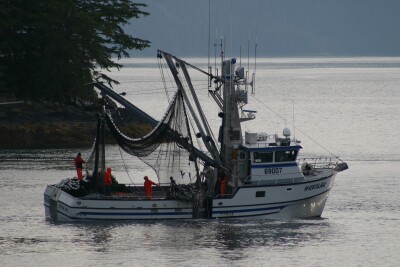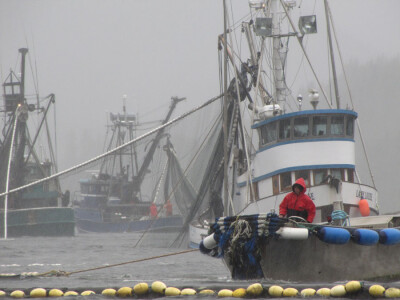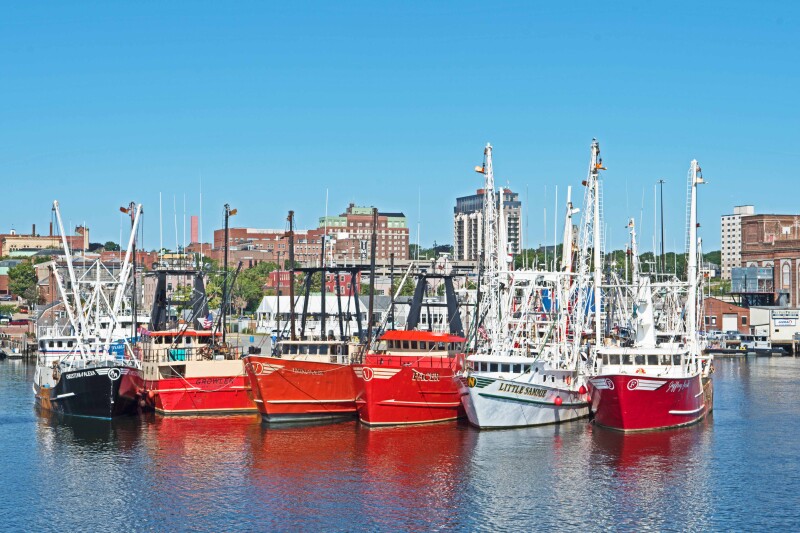
President Donald Trump's proposal to reopen the Northern Edge of Georges Bank to scallop fishing is generating optimism throughout New England's scallop industry, though fishermen and scientists say reopening one of the East Coast's most productive fishing grounds will likely take time and require approval through the federal management process. The Northern Edge has been closed to scalloping since 1994 to protect Atlantic cod habitat.
The Trump administration announced it plans to reopen the area on a rotational basis and allow "stacking" of scallop permits, which would enable vessels to harvest multiple permits on a single trip. However, Maine Public reported that the New England Fishery Management Council would first need to approve the change before the fishery could reopen.
"From an industry perspective, access to the Northern Edge would be a blessing," Eric Hansen, owner of two New Bedford scallop vessels and a council member, told Maine Public. "The loss of resource and revenue for the scallop industry for the last 30 years has been huge."
Hansen said the earliest the area could reopen would be next April if the process moves quickly, though he believes a more realistic timeline is about a year later because the council would first need to make the proposal a management priority, according to Maine Public.
Researchers also believe the closure deserves another look. Kevin Stokesbury, dean of the School for Marine Science and Technology at UMass Dartmouth, told Maine Public that "it's certainly the right time to take a close look at it," adding that he would "probably" support reopening the area.
Speaking with WJAR, Stokesbury described the Northern Edge as "one of the most productive scallop grounds in U.S. waters," saying its cold, nutrient-rich currents create ideal conditions for scallops. Because the area has remained closed for more than 30 years, he estimated it could produce roughly 20,000 metric tons of scallops every few years if managed carefully.
Stokesbury also questioned whether the original conservation goals have been achieved. The area was closed largely to protect cod spawning grounds, but he shared that decades of research have found relatively few cod there, suggesting the long-held theory behind the closure may not fully hold up. He added, however, that closed areas still provide valuable opportunities for scientists to study scallop populations without fishing pressure.
Not every fleet stands to benefit equally. According to Maine Public, Aubrey Church, policy director for the Cape Cod Commercial Fishermen's Alliance, said many of Cape Cod's smaller dayboats would struggle to make the roughly 15-hour trip to the Northern Edge, and the organization plans to consult its members before taking a position.
For New Bedford fishermen, however, the proposal represents an opportunity to return to waters many have only heard about from previous generations.
"My father fished over there. The other guys I fish with on the boats, their fathers have fished there," deckhand Tyler Mach told WJAR. "They talked about being on the edge, so to be part of that would be cool."
If approved, reopening the Northern Edge would mark the first access to the historic scallop grounds in more than three decades, though the proposal is expected to generate debate among fishermen, conservation groups and fishery managers before any final decision is made.