




Two books by women in the fishing industry have landed on my desk this year. While many women work on fishing boats—these days more than ever—historically, women have worked on the land side of fishing; they build the gear, process the catch, and take care of their families. These books come from those worlds.
In 2018, Kate Mitchell, the founder of NOMAR, a maker of brailer bags for the Alaska salmon fishery, published The Bag Lady at the End of the Road, a book that tells her and her family’s story. Like many Alaska stories, Mitchell’s is one of tenacity, luck, and finding creative ways to survive. Her book begins on the plains of South Dakota, and lessons learned from her independent-spirited mother, Ruby, who said, when pushed to become a teacher, “she would get a tin bill and pick shit with the chickens before she would ever become a teacher.”
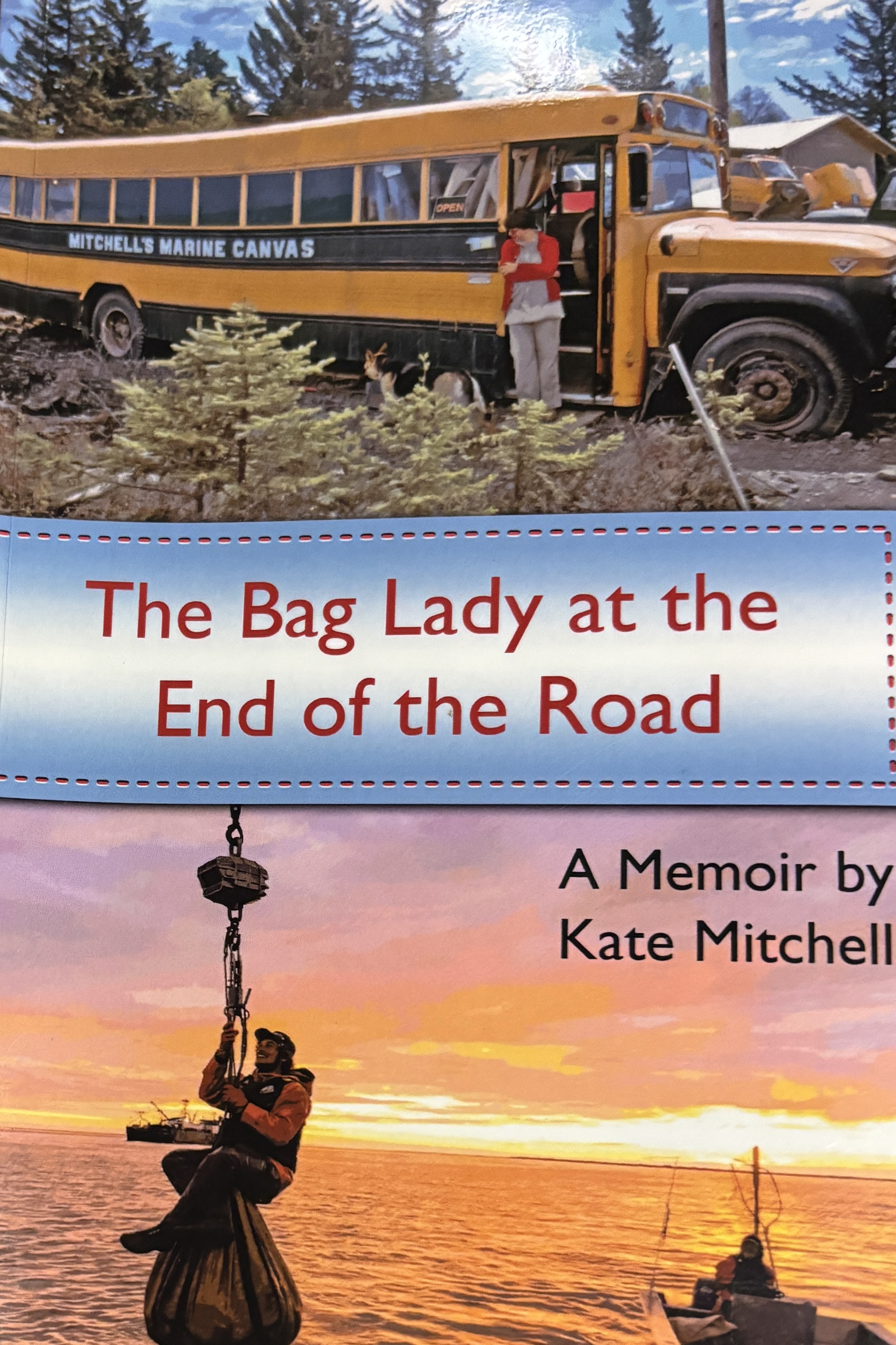
The family moved to Spanaway, and Mitchell learned to sew from her mother, the first woman journeyman upholsterer in Washington. With photos salted throughout the book, Mitchell tells of her service in the U.S. Coast Guard and how the family moved to Alaska when her husband, Ben, also in the Coast Guard, was stationed in Ketchikan. She started her business there, sewing boat canvas. But a move to Homer was followed by a request to build a brailer bag that did not mark the fish. Hence NOMAR—no marka the fish. In a simple and frank style, Mitchell tells the tale of how the bags quickly gained popularity—processors soon refused to buy fish unless they were in NOMAR bags—and how the business took off and now produces a range of items for the fishing industry and others, including the oil industry.
The best thing about Mitchell’s story is that it’s not over. She and NOMAR continue to thrive in Homer.
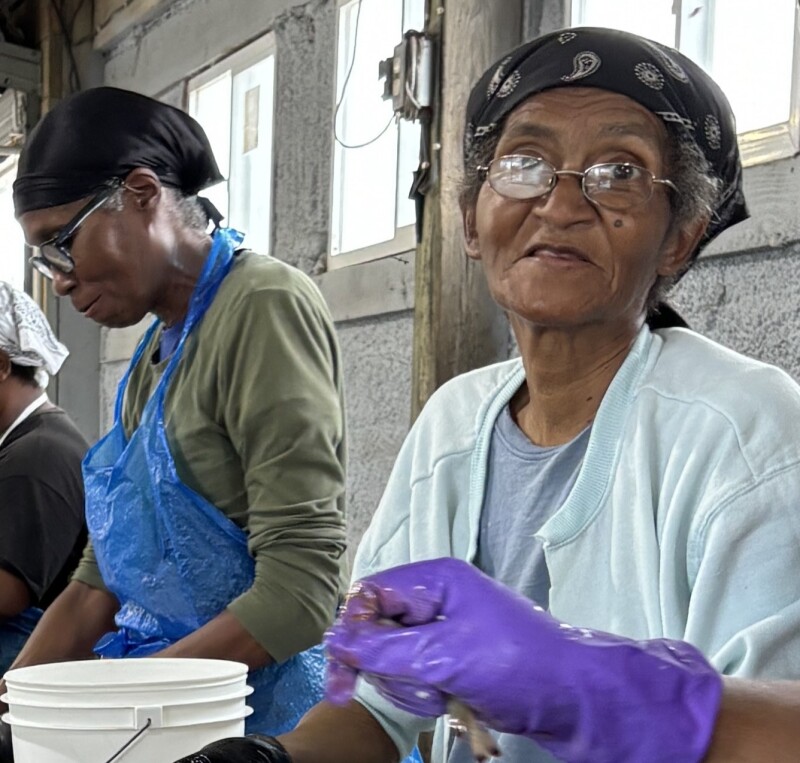
The other book, Memories of a Southern Girl, by Denise Blount, is about the beauty, challenges, and surprises of the author’s childhood in Swan Quarter, North Carolina, a fishing community on Pamlico Sound. I met Miss Denise at a big table full of shrimp at Newman’s Seafood in Swan Quarter, and mentioned my first job in the industry. “I was a lone white boy picking shrimp with all the black women, five cents a pound.”
“Well, go get you some gloves and prove it,” she said. A few minutes later, I was standing next to her picking shrimp, and she said, “So you’re a writer, huh? Me too. I wrote a book.” She cautioned me that it was written in the vernacular of the region, but agreed to send a copy.
Memories of a Southern Girl is a thin book, 47 pages, but it is rich with feeling. Although only two of the ten chapters deal with fishing directly, the reader can feel fishing in the background. “Most of the men in the town worked the boats or were commercial fishermen by trade,” Blount writes, her father included. Her stories are recollections of brief experiences as a child in the 1950s, a time when her mother made all her clothes, a nickel went a long way, and little things loomed large in her young imagination. She tells stories about whether they would eat their pet turkey, Mr. Charlie; the preacher asking her widowed grandmother for a date; digging up a treasure in her backyard, and more. In Blount’s poetic prose, one can feel the sweltering heat of a North Carolina summer, see the flat waters of the sound, and smell her mother’s cooking. Memories of a Southern Girl is a sweet read from the margins of North Carolina’s commercial fishing industry.
.jpg.small.400x400.jpg)
