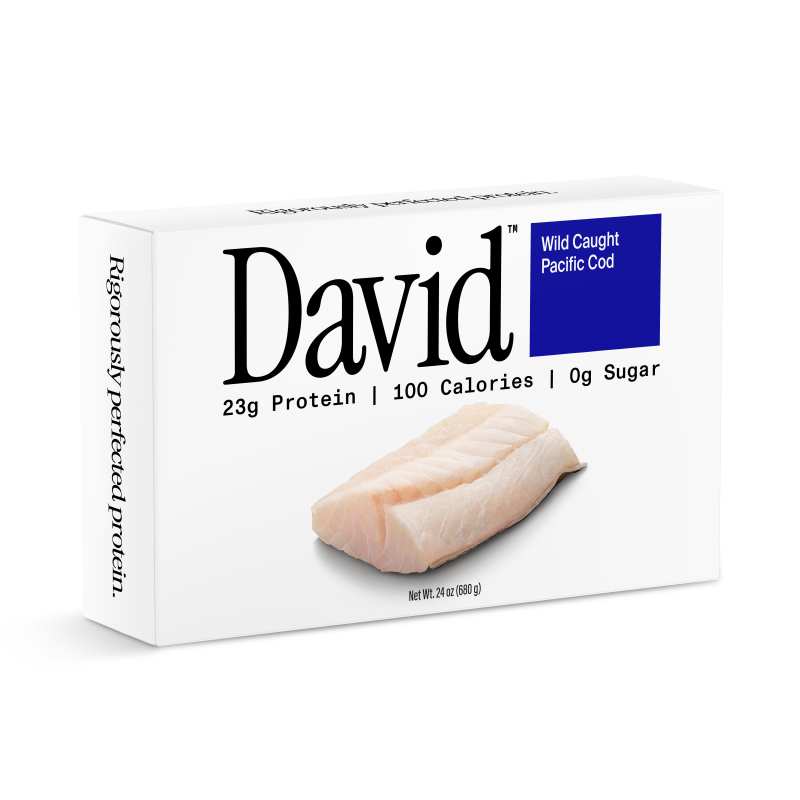
A New York City-based protein bar firm, David, is now offering fillets of Pacific cod as its "newest masterpiece", with the focus on the whitefish offering slightly more protein per calorie than its gluten-free energy bars.
Product sales launched by David on July 14 for the packages of David wild-caught Pacific cod, which include four six-ounce, flash-frozen fillets, for $55. These fillets are versatile and cook beautifully whether baked, boiled, steamed, or pan-seared, said Keagan Tigges, chief of staff at David. Each 100-calorie fillet has 23 grams of protein and no sugar.
"Most of our customers are in the continental U.S., where high-quality cod is harder to find and often more expensive (and expensive to ship from Alaska," said Tigges. "We’re focused on consumers who prioritize nutrition and performance. At $55 with free shipping, this is a premium, ultra-lean protein source for people serious about building muscle and reducing fat. The price reflects direct, traceable sourcing and peak freshness."
Fresh and previously frozen fillets of Pacific cod currently sell in seafood shops in Anchorage, Alaska, for just under $9 a pound.
Meanwhile, fresh U.S.-caught groundfish fillets can be increasingly hard to find at suburban supermarkets in the Northeast and Mid-Atlantic megalopis. Icelandic haddock and cod are now regularly imported as substitutes — even in New England, on the eponymous Cape Cod.
While it is still too early to predict demand for the David cod fillets, initial interest has been encouraging, said Tigges.
"We expect initial orders to come primarily from existing David customers — people who already trust us to deliver high-protein, functional foods that support muscle gain and fat loss," said Tigges. "Our cod is sustainably caught … and shipped directly, making it an ideal option for those seeking clean, premium protein with no middlemen."
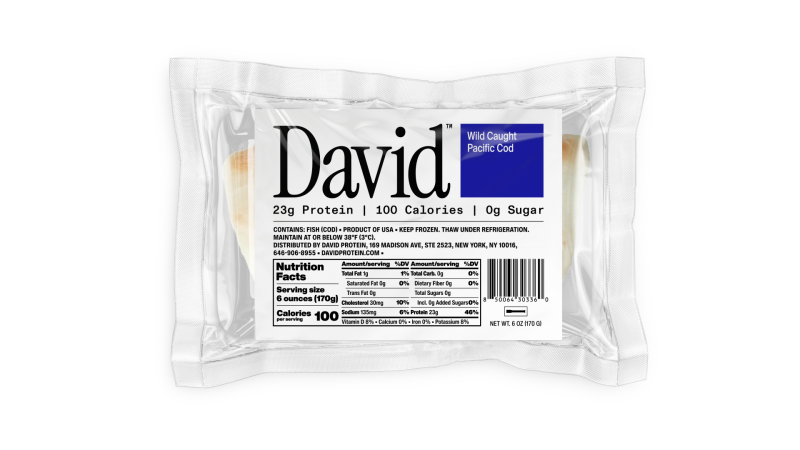
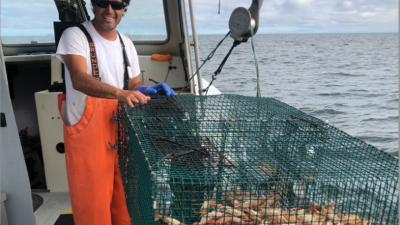
David's Pacific cod is harvested by Kyle Lee of Alaskan Salmon Company, which processes and flash-freezes the catch and transports the fish to a fulfillment center to prepare for shipment to David customers.
"The logistics came down to preparing and sourcing the proper packaging and configuring shipping options to ensure that we deliver the cod fully frozen and at peak quality to people's homes," said Tigges.
David's unexpected foray into the seafood market has been making waves across the industry.
Monique Coombs, director of community programs for the Maine Coast Fishermen's Association, said she welcomes the push to draw attention to wild-caught fish as a clean and powerful form of protein.
"As an advocate for the fishing industry and a fisherman’s wife, I feel incredibly fortunate to have access to high-quality, wild-caught seafood that’s rich in protein. Protein is a key part of my diet, which makes seafood especially important to me," said Coombs, noting the cod is a "nutrition powerhouse" rich in vitamin D, potassium, iodine, and calcium. "This is the kind of smart, creative, and approachable innovation the seafood industry needs more of."
Coombs said she purchased the product and found the experience "confusing." The label's cooking instructions — 1. bring water to a boil, 2. boil cod, and 3. enjoy — are vague at best," she said. "One of the things we know in the seafood industry is that so many consumers say they don’t buy more seafood because they don’t know how to cook it."
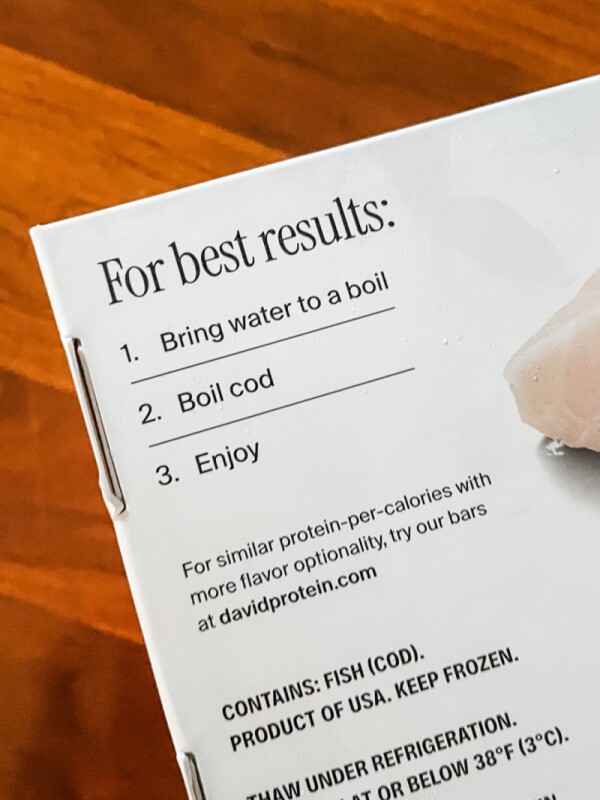
Across the industry, many — including Coombs — have questioned whether the product is merely a marketing stunt. "There's a line on the box suggesting that if you want “more flavor optionality” you could buy some bars. That makes it feel like this product is not really intended to succeed," said Coombs.
David also sells peanut butter chocolate chunk, fudge brownie, salted peanut butter, blueberry pie, cake batter, cinnamon roll, and red velvet flavored bars, with 28 grams of protein and no sugar in each one. Seventy-five percent of the 150 calories in each bar come from protein, the company said.
"It starts to seem like [David's cod offering] was created just to prove a point that opening a bar is easier than cooking real food," said Coombs. "Maybe that’s what happens when a protein bar company decides to take on fish."