

Oregon State University Extension and Oregon Sea Grant are expanding safety resources for commercial fishermen with a new training focused on first aid at sea, where distance from shore can turn minor injuries into serious emergencies.
The program, part of the Fishermen Led Injury Prevention Program (FLIPP), was developed in response to industry feedback that traditional first aid courses don’t reflect the realities of working offshore. According to program materials, fishermen emphasized the need for training that accounts for delayed emergency response and the unique injuries common on deck.
FLIPP brings together fishermen, researchers, extension agents and coastal community members to better understand and reduce nonfatal injuries in the fleet. Early survey work found that preparation, drills and onboard readiness rank among the most important safety strategies for crews.
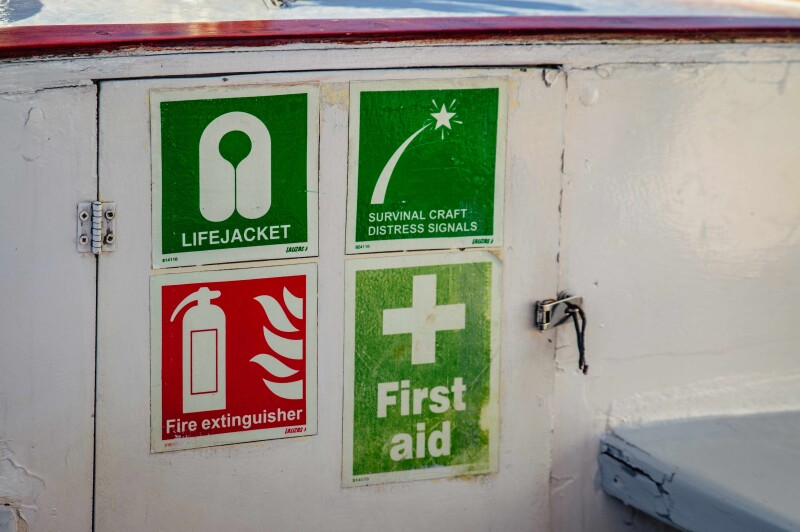
A central component of the effort is ensuring that vessels carry comprehensive, industry-specific first-aid kits. The guide outlines recommended supplies– from trauma shears and waterproof bandages to tourniquets and hemostatic gauze– along with practical guidance on how and when to use them.
“Having a well-equipped first aid kit could make treating injuries at sea easier and more effective,” the guide notes, emphasizing that kits should be tailored to the working conditions and risks fishermen face offshore.
The materials also highlight the importance of proper organization and accessibility. First aid kits should be stored in waterproof containers and places where crew can reach them quickly in an emergency. Crews are encouraged to keep written health information onboard and to document injuries using a standardized “SOAP” format– subjective, objective, assessment and plan– to support treatment decisions and communication with responders.
Cost is another consideration. While bulk purchasing can bring the price of a kit down to about $100, building a single kit individually may cost closer to $145, according to the guide.
In addition to training and equipment, organizers stress that first aid preparedness is only one part of vessel safety. Crews are encouraged to restock kits after each use, run regular drills and be ready to issue a mayday call when injuries exceed onboard capabilities.
The new training and resources are available through Oregon State University Extension’s online platform.