




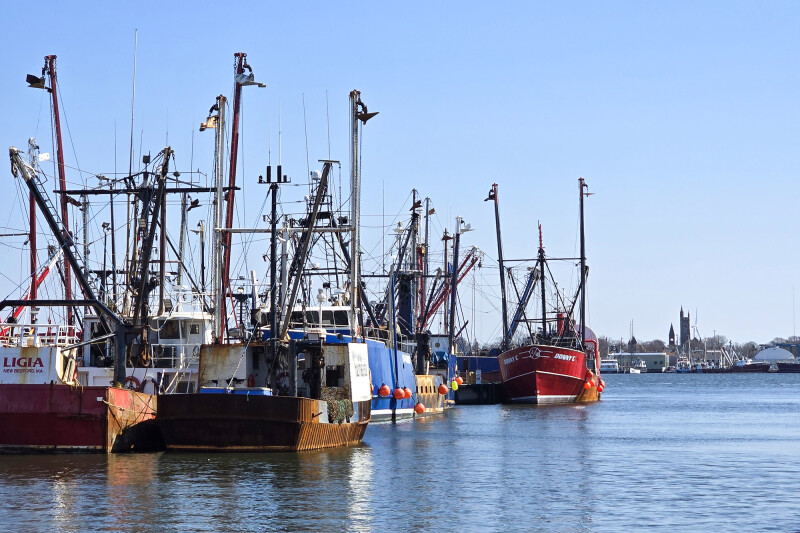
Federal fisheries officials are once again heading to commercial fishing ports from Maine to North Carolina as part of NOAA Fisheries’ ongoing effort to better understand the economic and social realities facing working fishermen and crew members across the East Coast.
The 2026 Commercial Fishing Crew Survey, conducted through the NOAA Northeast Fisheries Science Center, launched this spring and will continue through the fall at ports throughout New England and the Mid-Atlantic.
The voluntary and anonymous survey focuses on commercial fishing vessel crew members and hired captains, gathering information on demographics, working conditions, fishing practices, job satisfaction, economic concerns and views on fisheries management. According to NOAA, the survey can be completed in person, online, by phone or through the mail and typically takes about 10 minutes.
NOAA first launched the effort in 2012 and describes it as the agency’s primary source of socioeconomic information collected directly from commercial fishing crews between Maine and North Carolina.
“This survey is the only way NOAA Fisheries collects this kind of information,” the agency stated in project materials. “Without it, we can’t understand and predict how fisheries management decisions affect the lives, success, and well-being of commercial fishing crews in our region.”
The survey arrives as many commercial fishermen continue dealing with rising fuel costs, labor shortages, tightening quotas, stock rebuilding plans and ongoing disputes surrounding fisheries management regulations.
In North Carolina, commercial fishing remains deeply tied to the economy and culture of coastal communities including Wanchese, Hatteras, Ocracoke and Swan Quarter. The industry has also found itself at the center of increasing political and legal debates over resource management and fishing regulations.
Federal officials said the survey data helps fisheries managers better evaluate how changing regulations, environmental conditions and market pressures impact both fishing crews and coastal economies. NOAA Fisheries emphasized that all survey responses remain confidential and anonymous, with no identifying information tied to individual fishermen or vessels in released data.
.jpg.small.400x400.jpg)
