

NOAA is investing more than $21.6 million in uncrewed marine technology as the agency expands its next-generation fleet of charting and mapping vessels.
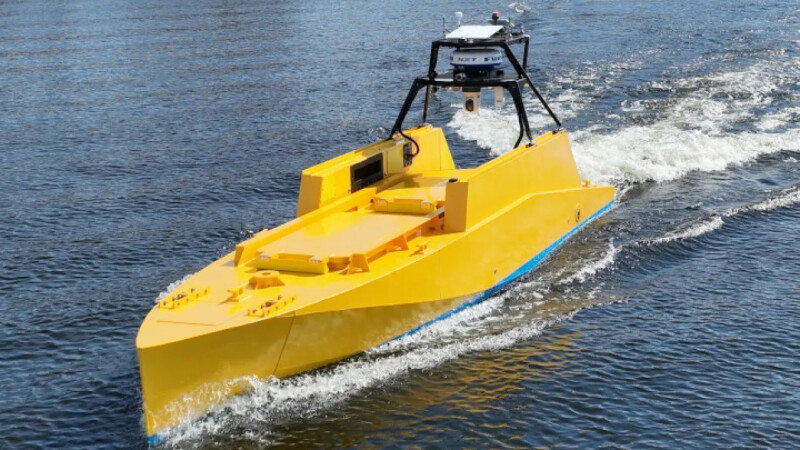
According to a NOAA Fisheries release, the agency awarded a $21,600,909 contract to Chance Maritime Technologies for up to eight uncrewed marine systems over the next five years. The systems will support NOAA’s efforts to improve ocean mapping, nautical charting, and fisheries data collection.
The uncrewed systems are expected to operate aboard NOAA’s new charting and mapping vessels, Surveyor and Navigator, which are currently under construction. NOAA said the systems will complement traditional seafloor mapping operations while also supporting fisheries acoustic surveys and other scientific missions.
The technology includes multiple levels of command and control, ranging from direct operator control to semi-autonomous operations with collision avoidance and dynamic course tracking capabilities. NOAA said some operations may also allow for fully autonomous functions under certain conditions.
“Uncrewed systems provide more efficiency in data collection, ensuring that our nation remains at the forefront of scientific innovation,” NOAA administrator Neil Jacobs said in the release. “The Administration’s focus on integrating emerging technologies into agency operations allows NOAA to serve the public more effectively and demonstrate our leadership in scientific collaboration on the world stage.”
Rear Adm. Chad M. Cary, director of the NOAA Corps and assistant administrator for NOAA Marine and Aviation Operations, said pairing the systems with the agency’s new vessels marks another step toward what NOAA describes as a “hybrid fleet of the future.”
NOAA’s fleet currently includes 15 research and survey ships and 10 specialized aircraft supporting missions ranging from fisheries surveys and nautical charting to oceanographic research and environmental monitoring.