

Canceling projects means canceling science, stewardship, and opportunity
Out on the water, the ocean doesn’t care about politics. The tides don’t change because of who’s in charge in Washington. What matters is the air we breathe, the water we depend on, and whether we’re doing right by the generations who’ll come after us.
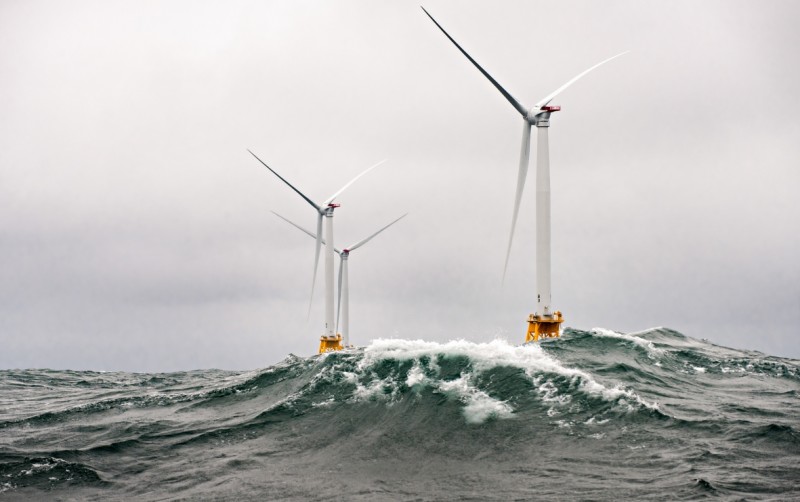
That’s why offshore wind has always been about more than just turbines on the horizon. For me, it’s about science, stewardship, and opportunity. If these projects are canceled or stalled, we don’t just lose clean energy — we lose a rare chance for fishermen, scientists, and conservationists to work side by side to protect the waters we all rely on.
As a fisherman and conservationist, I know what’s at stake.
Most people think offshore wind is only about electricity. But the truth is bigger: a once-in-a-generation chance to transform how we study and protect the ocean.
Offshore platforms could have doubled as living laboratories. We were looking at ways to track bird and bat migrations, monitor ocean health, and use new tools like environmental DNA to understand marine life in ways we’ve never done before. Marine mammal protections were ready to scale up too—whale-detection buoys, acoustic monitoring for right whales and dolphins, real-time alerts to help avoid vessel strikes. These weren’t pipe dreams. They were funded, planned, and already underway.
And for marine mammals, the stakes are enormous. Whale-detection buoys could have reduced vessel strikes. Acoustic systems were already listening for right whales, humpbacks, and dolphins, helping managers minimize human impacts. These weren’t dreams. They were real, funded, and underway.
New Jersey was showing the country how to get this right. Back in 2021, the state launched the Offshore Wind Research & Monitoring Initiative, asking developers to contribute $10,000 per megawatt. That money has already paid for whale surveys, fish tagging, glider deployments, and buoys that let us listen for whales in real time.
Best of all, the data is public. Fishermen like me can use it, scientists can build on it, and decision-makers can manage the ocean with better information. That’s what partnership looks like.
Now, all that progress is at risk. The federal freeze on new offshore wind leasing and permitting has left projects canceled and developers pulling back. Without new projects, the funding dries up. That means no new whale buoys, no long-term studies, and fewer tools to understand a changing ocean.
This isn’t just about losing clean power, it’s about losing science, stewardship, and opportunity.
If offshore wind disappears, we lose:
· Real-time whale and dolphin detection.
· Expanded monitoring of whales, turtles, birds, and fish.
· Continuous climate and ocean data offshore.
· Better tools to sustain our fisheries.
· Offshore “classrooms” to train the next generation of scientists.
Opportunities like this don’t come around often. And if the pause holds, we may never get another one.
This shouldn’t be about politics. Fishermen should care because these studies make fisheries management stronger. Conservationists should care because they protect whales, turtles, and birds. And everyone should care because every one of us depends on the ocean.
The ocean is changing whether we act or not. The real question is: do we step up with science and responsibility, or do we walk away and leave nothing for those who come after us?
Paul Eidman is a New Jersey charter captain who helped organize Anglers for Offshore Wind Power.