

The global fishing and aquaculture industries support food security, livelihoods, and trade for millions, but meeting the growing demand for seafood must be balanced with protecting marine ecosystems as well. The recently published Maritime Fairtrade guide, “Fishing and Aquaculture: Sustainable Practices,” lays out key strategies for industry and regulators to steer toward long-term sustainability.
According to Maritime Fairtrade, sustainable commercial fishing rests on a foundation of robust, science-based regulations. At the core of these are catch limits, seasonal restrictions, gear restrictions, and rigorous licensing and monitoring regimes.
Catch limits help prevent overexploitation by capping the total allowable harvest, which is a safeguard against depletion of fish stocks. Seasonal restrictions give fish populations time to reproduce before being harvested. Gear restrictions are increasingly important not only to reduce bycatch of non-target species, but to limit habitat damage, especially in sensitive marine environments. Licensing and reporting systems add transparency and accountability, enabling managers to track harvest and enforce regulations. Combined, these measures support sustainable practices that keep fish stocks productive for future generations while protecting endangered species and marine habitats.
Aquaculture
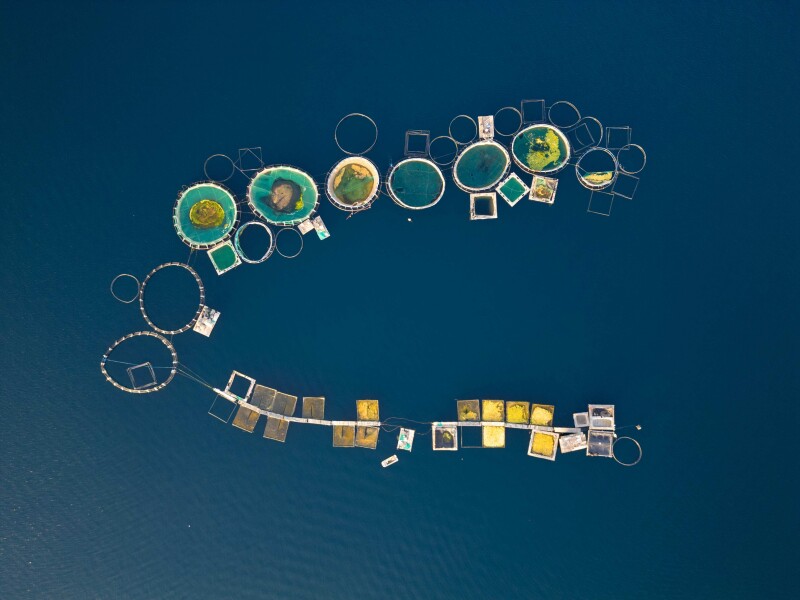
For aquaculture/fish farming, the Maritime Fairtrade article highlights several innovations increasingly viewed as the industry’s best practices. Close and efficient systems such as Recirculating Aquaculture Systems (RAS) reduce environmental impact by filtering and reusing water.
Another promising model is Integrated Multi-Trophic Aquaculture (IMTA), which farms different species together- finfish, shellfish, and seaweed- to create a more balanced ecosystem. In such systems, waste from one species becomes nutrients for another, fostering synergy and reducing waste.
Advancements in selective breeding (genetic improvements) and alternative feed sources, such as plant or insect-based feeds, are also helping make aquaculture more sustainable. These practices reduce dependency on wild fish for feed and lower the need for antibiotics or harmful chemicals.
According to the guide, such innovations could help aquaculture meet the growing global appetite for seafood, while reducing pressure on wild stocks, and are especially important as many fish stocks worldwide face severe declines.
Maritime Fairtrade calls for broader strategies beyond regulations or technical fixes. It advocates for collaborative management involving fishermen, scientists, regulators, and conservationists to ensure policies reflect ecological realities and community needs. An ecosystem-based management approach considers the entire marine environment, including interactions among species, habitats, and human uses, rather than focusing narrowly on a single stock. When combined with education and public awareness, these measures can promote consumer choices that support responsible fisheries and aquaculture.
The guide states that sustainable practices “allow the fishing and aquaculture industries to thrive while protecting the marine environment for future generations.”
What this means for US fisheries and fishing communities
For U.S. fisheries, including small-boat operations along the coasts, the framework in the guide offers a possible roadmap. Adopting science-based catch limits, closing seasons at the right times, minimizing destructive gear, and accurately tracking landings are all tools that domestic regulators already use in many fisheries. However, Maritime Fairtrade emphasizes that fishery management is not just about following rules, but also about a broader conservation ethic.
For aquaculture, the RAS and IMTA models- while more common in other parts of the world- could provide innovations that could someday reduce reliance on wild capture and help rebuild overfished stocks.
While there is mounting pressure on global fisheries and rising concern about ocean health, the Maritime Fairtrade guide calls for greater sustainability in fishing and aquaculture.