

In early September, NOAA Fisheries released lists of countries that complied with Marine Mammal Protection Act rules comparable to those that domestic fishermen are held to, and those that did not. Beginning on January 1, 2025, countries that did not make the cut will not be allowed to export some or all of their fisheries’ products to the U.S.
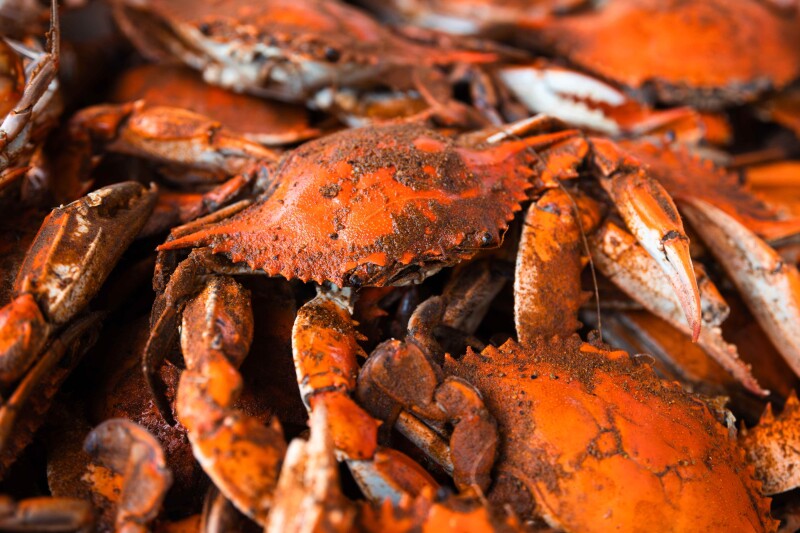
While the ban will affect many products, the big item of contention is crab, and on October 10, the National Fisheries Institute (NFI) announced that it, along with many crab processors, is suing NOAA to prevent the agency from stopping imports, particularly crab imports. The NFI and others claim that if they cannot get pasteurized crab from some of the countries on NOAA Fisheries’ List 2: Nations denied comparability findings for some fisheries or List 3: Nations denied comparability findings for all fisheries, then U.S. restaurants and markets will run out of crab cakes.
According to Tara Foreman, manager of her family’s crab picking business, Captain Neill’s Seafood, in Columbia, North Carolina, the market for fresh crab landed by U.S. fishermen won’t be affected if crab from places like the Philippines and Sri Lanka are blocked. “It’s Venezuela that will affect us,” says Foreman. “Because they’re so close, they export fresh crab to our market, and they’re going to be hitting it hard in the next couple of months. They just reopened their season and started fishing again, and they will try to get as much crab into the US as they can before these rules go into effect on January 1st.”
Foreman notes that as a result of Venezuelan crab pouring in, prices to U.S. fishermen will likely go down before they go up. But she notes that her markets are nervous and calling to confirm that they will be able to get crab. “They want to make sure of their supply,” she says. Foreman notes that Venezuela did not apply to NOAA for a comparability finding.
For U.S. crab fishermen who have been competing with countries with more lenient rules, the import ban on crab from Venezuela and other countries may bring some relief.
“The import provisions guarantee that foreign fisheries meet the gold standard that is set by American fishermen,” NOAA Fisheries assistant administrator, Eugenio Piñeiro Soler, said in an August 2025 press release. “This is a major win for American workers, consumers, and our marine ecosystems. By enforcing these standards, we’re protecting our domestic seafood industry and ensuring only safe, sustainable seafood reaches American tables.”
Seafood markets are global and difficult to predict, but Foreman acknowledges that if the flow of fresh Venezuelan crab stops, then prices to fishermen will likely rise. While that’s good news for the thousands of crab fishermen in the USA, the NFI contends that the rules will hurt US consumers and processors who, it argues, will see crab, and the jobs associated with imports, vanish.
“It would be totally, physically impossible to harvest that much crab from U.S. waters in order to make up the difference.” NFI Chief Strategy Officer Gavin Gibbons told Seafood Source in October.
NOAA notes that the deadline for achieving comparability has been extended three times already, giving foreign nations ample time to achieve comparability with US regulations. Apparently, it’s time to bring the hammer down.