

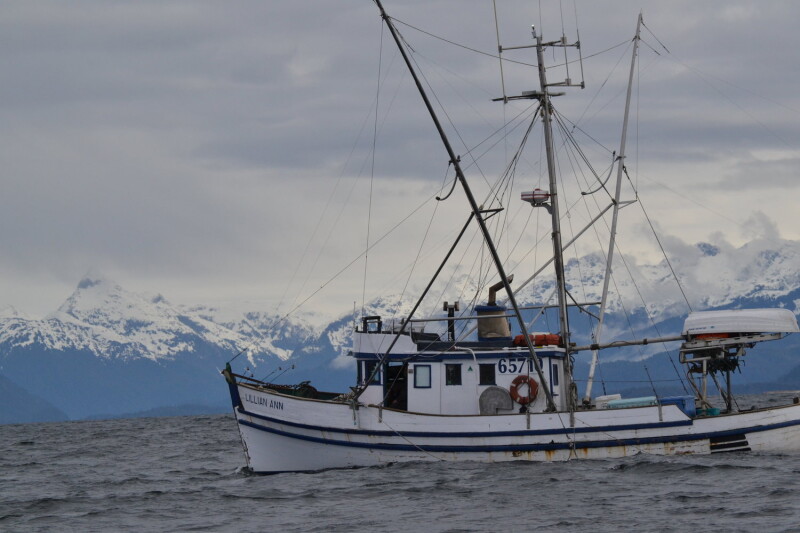
As the fishing industry embraces cleaner energy solutions, hybrid electric vessels are emerging as a potential game-changer for some owners, particularly in Alaska’s challenging maritime environment.
According to Linda Behnken, executive director of the Alaska Longline Fishermen’s Association (ALFA), the adoption of hybrid-electric technologies could provide significant benefits, but challenges remain, especially in remote ports and with the logistics of upgrading existing fleets.
The potential of new tech for fishing fleets
One of the primary reasons for exploring hybrid-electric vessels is their promise of reducing fuel consumption and lowering emissions. Hybrid-electric vessels use a combination of traditional diesel engines and electric motors, which helps reduce reliance on fossil fuels. However, Behnken mentioned that Alaska’s commercial fishermen must first navigate several hurdles to make hybrid-electric systems a viable solution.
“It’s not just about installing new tech on a boat,” Behnken said. “It’s about understanding what’s going to work in the Alaskan environment and in the types of fishing operations we run. Alaska has some unique challenges, and the technology must match the operational needs.”
For Alaska’s longline fleet, these hybrid-electric vessels could lead to significant fuel savings, particularly in regions where long trips and heavy fuel use are a fact of life. Behnken pointed out that these vessels could benefit from better fuel efficiency, especially when the boats are transiting between fishing areas, as opposed to towing gear during active fishing operations.
Access to reliable information about which technologies best meet their specific needs is a key factor in fishermen's adoption of hybrid-electric vessels, said Behnken. “Fishermen want practical information about how hybrid-electric systems will perform based on their specific setup- things like hull type, gear type, and trip length,” she explained.
Overcoming infrastructure challenges
For hybrid-electric technology to truly take hold, shoreside infrastructure will be key. Fishermen often work in remote, rural ports with limited access to charging or refueling stations. Behnken emphasized that while there is interest in adopting these technologies, the lack of infrastructure to support hybrid-electric vessels is a significant roadblock.
“Developing Infrastructure for next-generation fuels and hybrid-electric vessels will take time and investment,” she noted. "But it’s all doable."
The findings in the Policy Pathways to a Low Carbon Fishing Fleet research also pointed out that many vessel owners are reluctant to invest in hybrid-electric technologies without the assurance that ports will have the necessary infrastructure. The report also shared the need for investment in microgrids and clean-powered charging stations at key ports to support the transition.
ALFA’s leadership in hybrid-electric tech
ALFA is leading the way through a collaboration with the Department of Energy’s Vehicle Technology Office (VTO). The partners are exploring a range of alternative technologies designed to lower the carbon footprint of fishing vessels, including hybrid diesel-battery systems, full-electric inboard and outboard systems, and diesel-electric propulsion systems.
ALFA made significant strides in 2021 with the support of federal funding, including a $700,000 grant from the U.S. Department of Energy to enable the conversion of two commercial fishing boats to hybrid power and one mariculture vessel to full electric. A long-term vision of a zero-carbon boat drives the organization’s commitment to sustainability. However, they also recognize that the next feasible step could be a hybrid diesel battery, a full electric inboard or outboard, or a diesel-electric system.
The VTO project has also seen tangible results, including the installation of electric deck equipment on a troller/longliner and plans to convert a troller to hybrid propulsion using the Transfluid system. With generous support from Acme Seafood Company and AgWest Farm Credit Services, ALFA is on track to lead the industry in the adoption of hybrid vessels.
Government support for tech transitions
Behnken believes that government support will play a critical role in facilitating the transition to a hybrid-electric fleet. Financial incentives, along with clear information on the types of systems that will benefit specific fishing operations, will help address the barriers to adoption.
“There needs to be a strong push for financial incentives that can offset the upfront cost of upgrading fleets. That, combined with better infrastructure, could make hybrid-electric vessels a realistic option for more of our fleet,” she said.
While challenges do remain, the potential of the switch to hybrid-electric in Alaska’s fishing industry is undeniable. With the right infrastructure, technical support, and policy incentives, the transition to a greener, more fuel-efficient fleet could be within reach for Alaskan fishermen.
Find more on Talking Shop on a Low Carbon Fleet here.