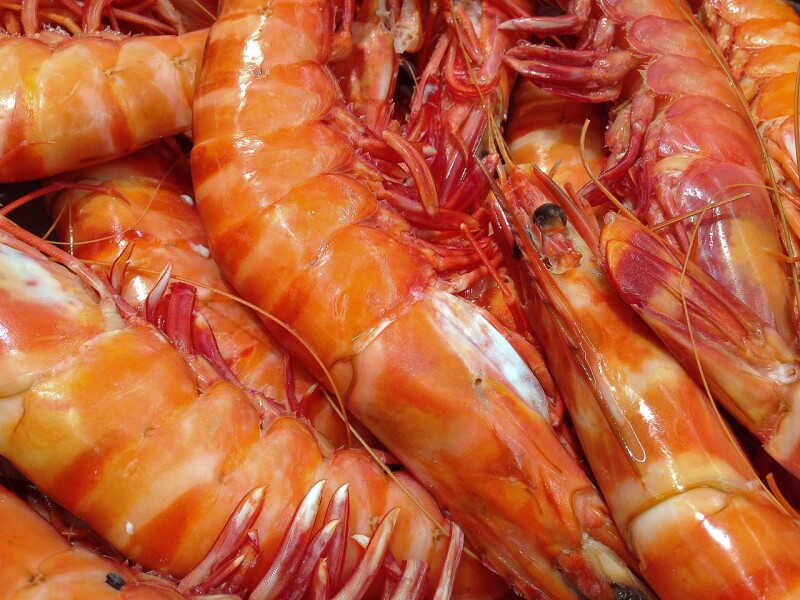
Rep. Nancy Mace, R-S.C., with Congressional colleagues from other shrimp producing states introduced legislation to require NOAA and other federal agencies to develop a portable chemical testing methodology to identify the country of origin of shrimp sold in the U.S. market.
“Lowcountry shrimpers are the backbone of South Carolina's coast and they are being undercut by foreign imports operating outside our laws,” Mace said June 5 in
"These men and women have worked these waters for generations and they play by the rules. Foreign competitors do not,” said Mace. “Our SHRIMP Act gives law enforcement the tools to verify where shrimp actually comes from, cracks down on illegal fishing operations, and makes sure South Carolina shrimpers can compete on a level playing field.”
The measure directs NOAA to develop the testing with the National Institute of Standards and Technology (NIST), in consultation with U.S. Customs and Border Protection (CBP) and the Coast Guard.
Mace was joined in sponsoring the legislation by Reps. Randy Weber, R-Texas, Troy Carter, D-La., and Mike Ezell, R-Miss.
According to Mace, an effective methodology will support “law enforcement in combating illegal, unreported, and unregulated fishing, to improving food safety and traceability, to verifying compliance with country-of-origin labeling laws, to improving screening of shrimp at ports of entry, and bolstering enforcement of trade restrictions and customs duties.”
The SHRIMP Act “requires the methodology to use chemical analysis, be deployable as a portable field kit, and work on raw shrimp, cooked shrimp, and prepared foods containing shrimp.” Within two years NOAA must report to Congress on the methodology and a plan for operationalizing it.
Leaders in the U.S. shrimp industry cheered for the new legislation.
“Opaque foreign shrimp supply chains have become a loophole for transshipment, evading U.S. food safety, labor, environmental, and trade laws,” said Blake Price, director of the Southern Shrimp Alliance. The SHRIMP Act “would give regulators and law enforcement a scientific tool to identify the true origin of illegal imports and restore a fair playing field for American fishermen.”
The legislation’s proposed mandate “takes an important next step by directing the development of chemical analysis methods that can scientifically identify the true country of origin of shrimp. These advanced techniques represent some of the best science available to strengthen sourcing verification and traceability across the seafood supply chain,” said Bryan Jones, vice president of the South Carolina Shrimpers Association.