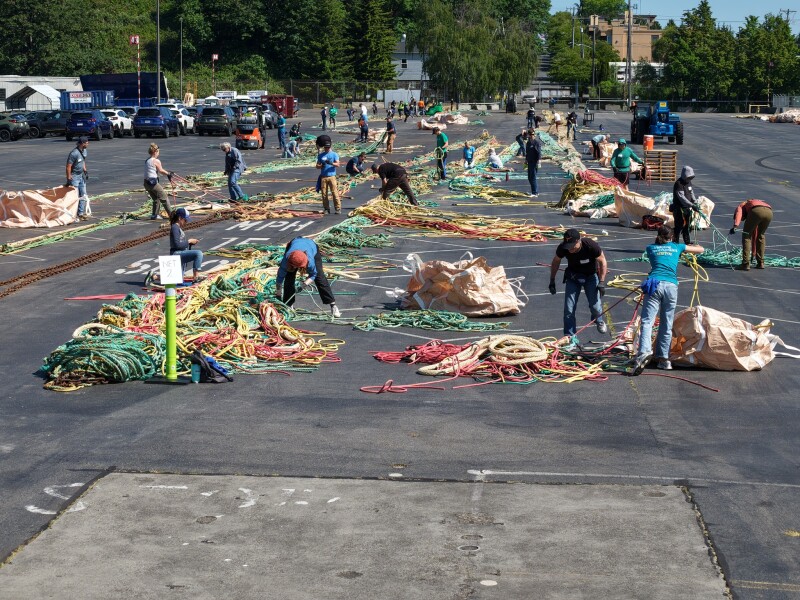
Four huge worn-out midwater trawl nets that in old times might have been buried in a landfill are instead being repurposed into usable new products and protection for Ukrainians from explosive Russian drones.
The efforts of over 100 volunteers from Seattle's wild Alaska pollock catcher-processor fleet hunkered down in 80-degree heat at Terminal 91 on Thursday, May 28, offered both environmental and financial benefits to American Seafoods, Arctic Storm Management Group, Coastal Villages Region Fund, Glacier FIsh Company and Trident Seafoods, all members of the At-Sea Processors Association.
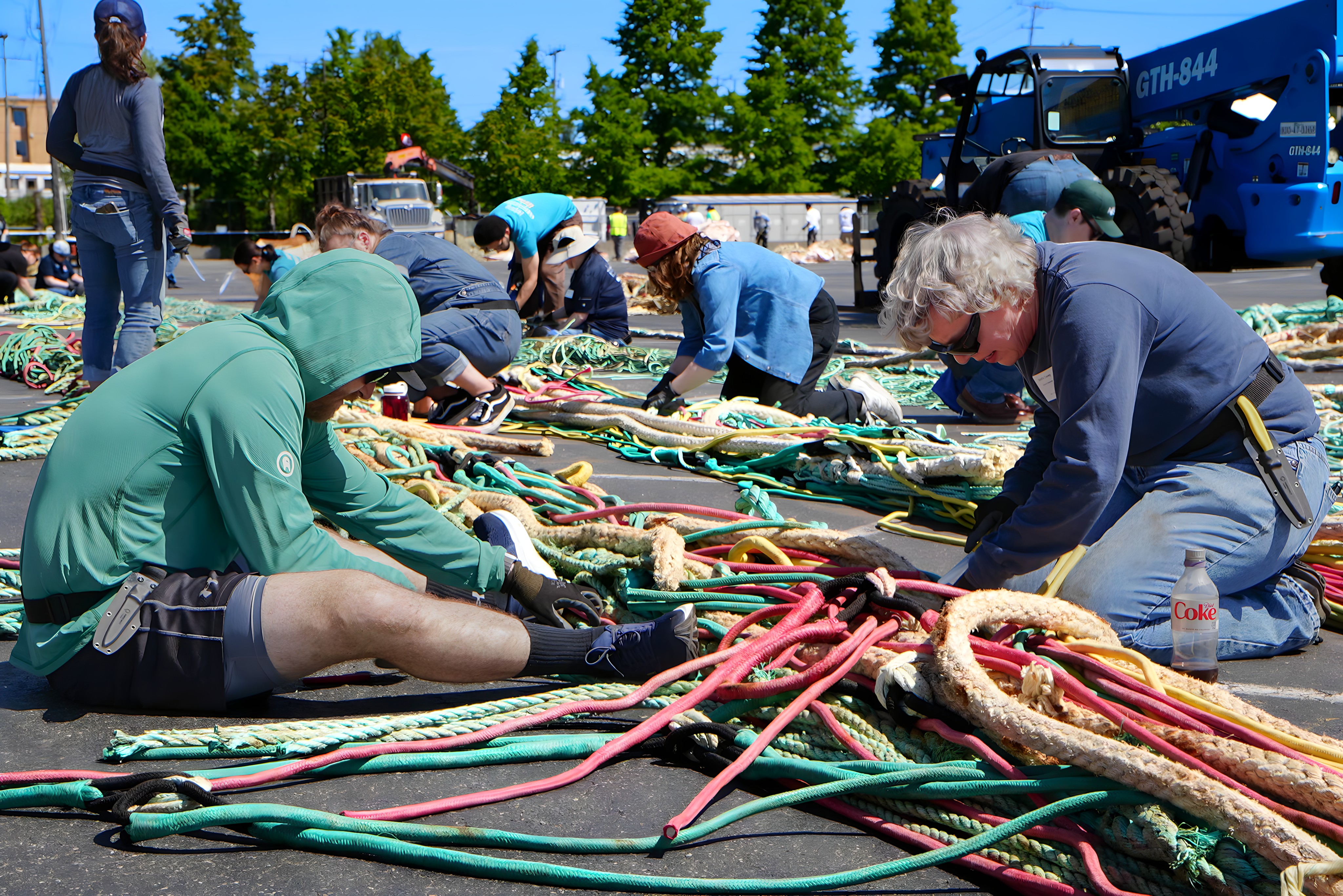
"It's always one of my favorite days of the year, not only because I am outside doing physical labor with industry friends and colleagues, but because the industry has come together for a common cause," said Tim Fitzgerlad, chief sustainability officer for American Seafoods. "It shows that this type of effort is not proprietary. Better recycling of the fishing gear is good for the whole industry. We come together and reengage at a higher level."
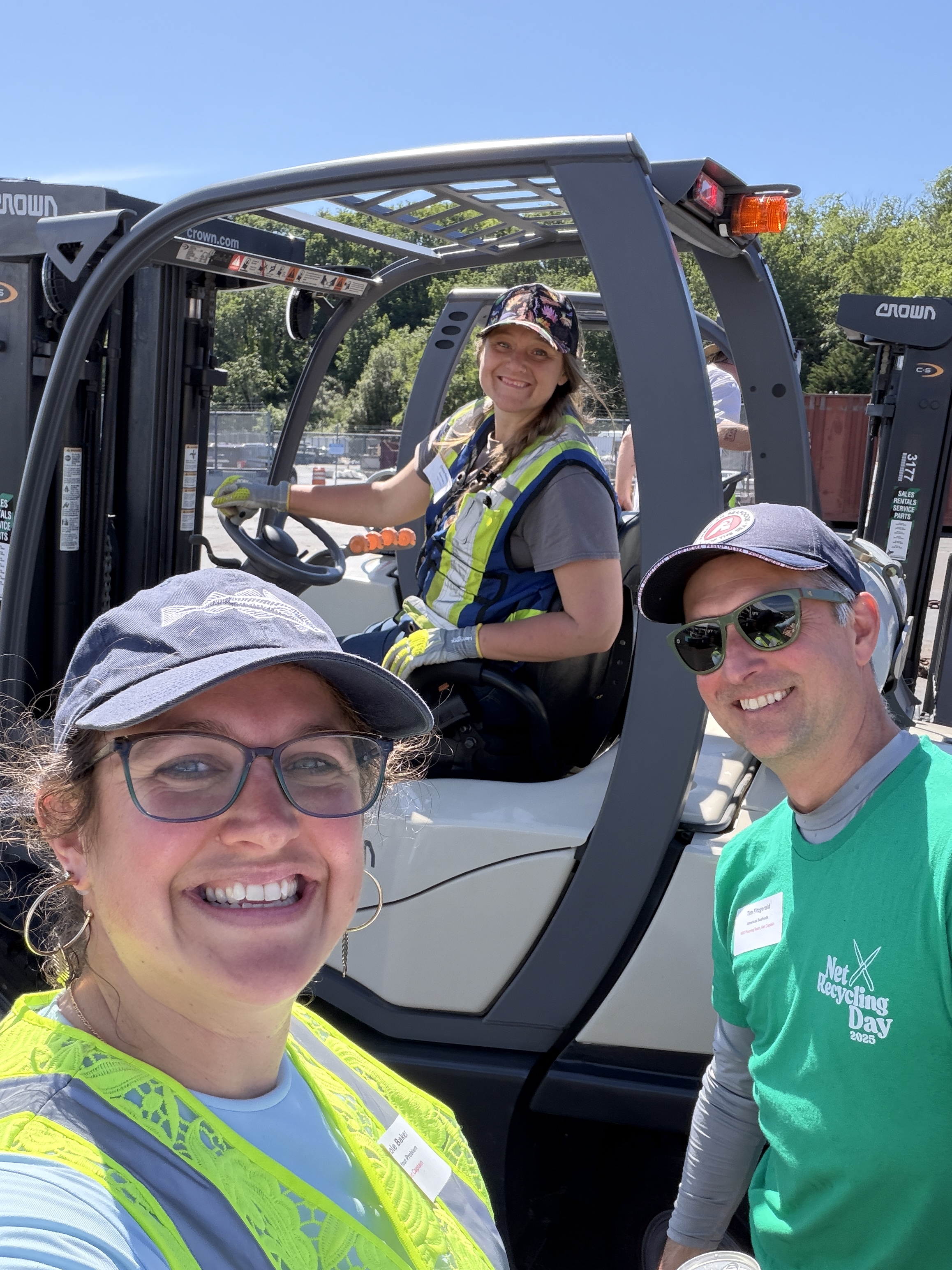
This was the second annual Net Recycling Day for the five major fishing firms, who collaborate with the non-profit entity Net Your Problem to repurpose thousands of pounds of worn-out fishing gear. Net components include three major types of plastics: nylon polyethylene and polypropylene, all of which can be mechanically recycled into plastic pellets. The pellets are sold to companies who produce playground equipment plastic lumber and outdoor furniture, garden tools and more.
Most of these nets are made by Swan Net in Seattle, NET Systems, Inc. on Bainbridge Island, Washington, and Egersund Net in Norway.
The groundfish firms began collaborating with Net Your Problem, a nonprofit dedicated to creating an economically viable path for recycling end-of-life maritime plastics, back in 2018, turning that worn out gear into products ranging from fleece clothing to shampoo bottles. "It's definitely cheaper than keeping it all in storage at Dutch Harbor for 10 to 15 years, especially if we can bring old nets down to Seattle on our fishing boats," Fitzgerld said.
Through her extensive research, Net Your Problem founder Nicole Baker, a former research scientist at the University of Washington, has guided seafood industry participants in recycling tons of worn-out materials that would otherwise end up in landfills, at a considerable cost to the industry and the environment.
Most recently Baker found a unique use for the old fish nets, as coverings for war zone area trenches and outdoor markets in Ukrainian communities targeted by drones in the ongoing war with Russia.
Net Your Problem was contacted recently by the Boston area venture capitalist firm Ground Squirrel Ventures, seeking donations of fish nets to send to Ukraine to help protect soldiers and civilians alike from drones.
"Since we have started sending nets to Ukraine, I have started evaluating everything we collect as a possible donation to the soldiers and citizens there for drone protection," said Baker. "While doing our walk through (in Seattle) of the nets to see what they are made of, we came to a section of the nets that would be perfect, so we have six bags of net, weighting 5,460 pounds that are the right size, and we are coordinating with Ground Squirrel Ventures to send a third load."
The rest of the nets cleaned by groundfish vessel captains, crew and gear experts will be sent to specialized recycling facilities to be repurposed into durable consumer and industrial products.
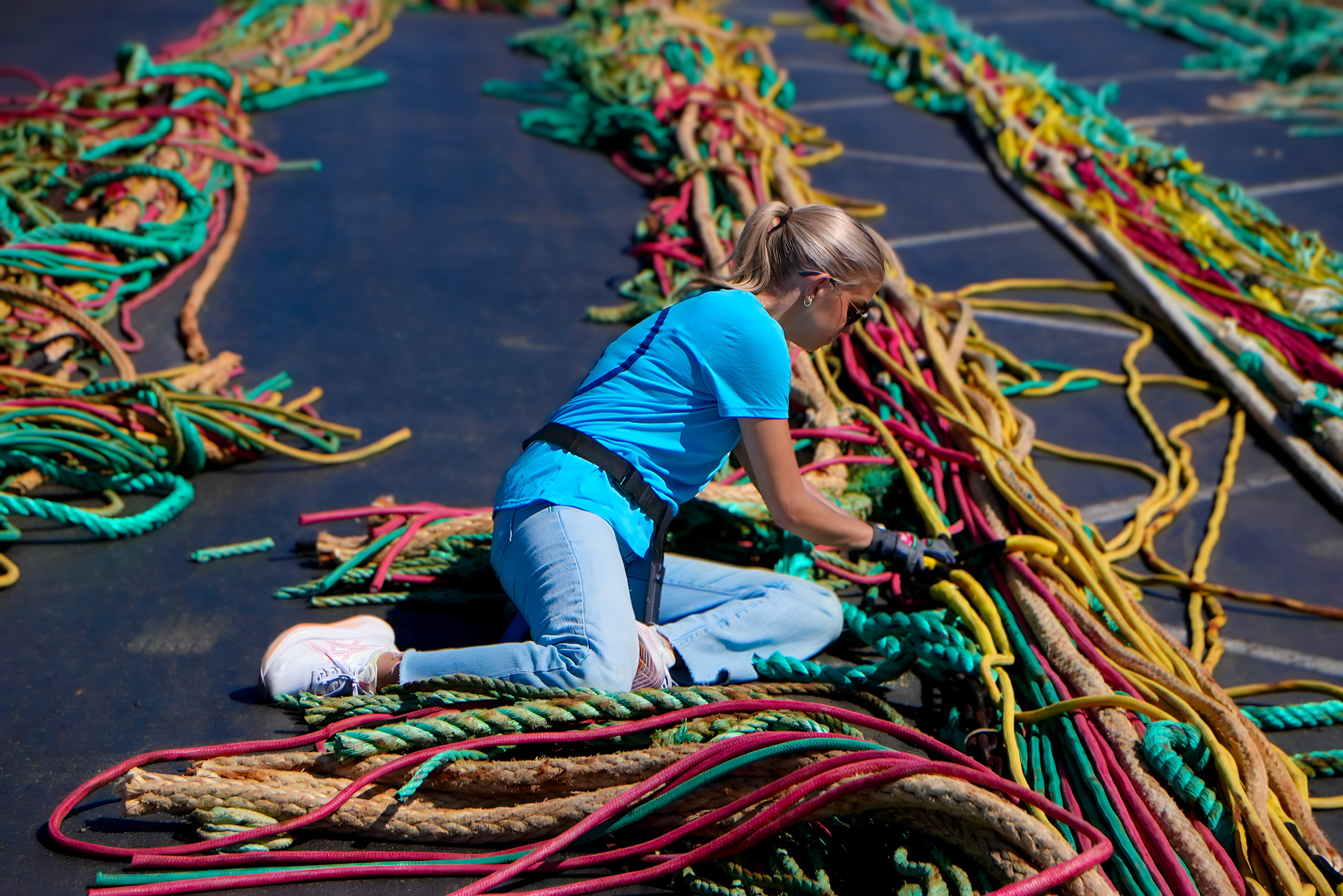
“Responsible stewardship doesn’t end when our vessels return to port,” said Doug Christensen, president/CEO of Arctic Storm Management Group. “Net Recycling Day reflects the shared commitment across our fleet to continuously improve how we operate - from harvest practices at sea to responsible gear management on shore. It’s a practical example of our industry working together to create lasting solutions.”
“Sustainability is built through continuous improvement,” said Matt Tinning, CEO of the At-Sea Processors Association. “Events like this demonstrate that innovation in our industry extends well beyond the vessel deck - it includes how we rethink materials, reduce waste, and work collectively to strengthen the future of responsible fisheries.”