

A longstanding federal definition of "shellfish" is changing to better reflect modern biology and simplify seafood trade regulations.
According to Newsweek, the U.S. Fish and Wildlife Service (USFWS) finalized a rule on June 23 that removes the requirement that shellfish have an external shell. The updated definition takes effect on July 23, 2026
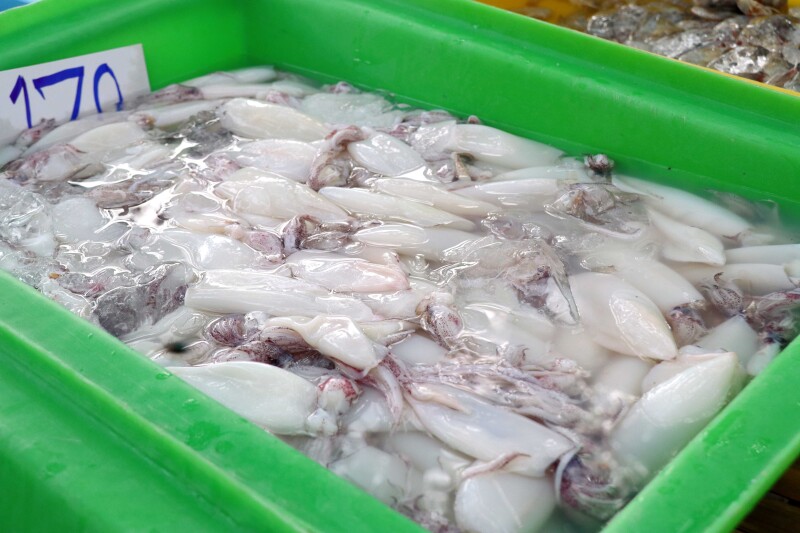
Under the revised rule, shellfish now includes aquatic invertebrates within the phylum Mollusca, bringing squid, octopus, cuttlefish and other cephalopods under the same regulatory definition as oysters and clams. Crustaceans such as lobster, shrimp and crab remain included.
The previous definition described shellfish as "any species of mollusk having a shell," language that regulators said no longer matched current biological classifications. Because many cephalopods have internal, reduced or no external shells, the old definition created uncertainty in how these species were handled at U.S. ports of entry.
The regulatory change is expected to streamline import and export oversight and address concerns that have been raised by the commercial fishing industry for several years.
As reported by Newsweek, the U.S. Small Business Administration's Office of Advocacy warned in October 2025 that the classification ambiguity placed squid harvesters under "unnecessary regulatory and financial burdens."
The office noted that U.S. squid importers and exporters faced multiple fees, including a $93 base inspection fee per shipment, a $100 license fee and additional overtime charges.
"Small businesses are much less able to shoulder these unnecessary costs than their larger counterparts," the Office of Advocacy said, according to Newsweek, recommending that the National Oceanic and Atmospheric Administration work with the Fish and Wildlife Service to classify squid as either "shellfish" or "fishery products" to "eliminate unnecessary, duplicative regulation."
The Mid-Atlantic Fishery Management Council also supported the change. The council wrote to the Secretary of the Interior in 2020, saying U.S. squid producers were subject to "redundant, time-consuming, and costly licensing and inspection requirements."
The council added, "Virtually all other U.S. commercial fishery products are exempt from these regulations, which are intended to prevent the unauthorized trade of endangered and protected wildlife. We recommend that squid be reclassified as either 'shellfish' or 'fishery products' and therefore exempt from the USFWS inspection and user fee system."
The rule also notes that squid, octopus and cuttlefish are already commonly recognized in medical literature as foods associated with shellfish allergies. The change does not alter allergy risks but is intended to reduce confusion in labeling, trade terminology and regulatory communication.
 (1).jpg.small.400x400.jpg)