

For Kate Price and Brandon Hiza, the way they catch fish is as important as actually catching the fish. “We had bought a 37-foot sailboat,” says Price. “Not something I ever expected growing up in Las Vegas. We were cruising the coast and sometimes going fishing to earn money, and we noticed this boat in Newport, Oregon, with a ‘for sale’ sign on it.”
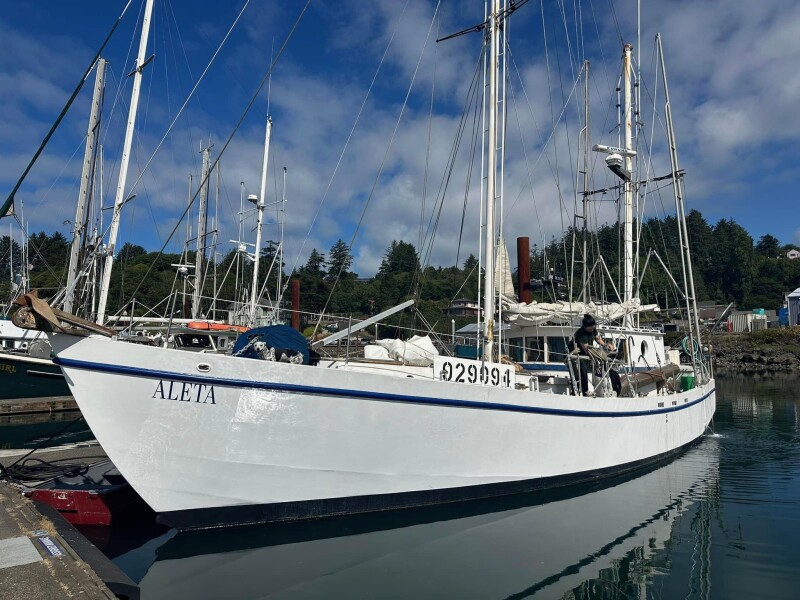
It was the Aleta, a 49-foot ketch built for trolling albacore. “It was designed by a guy named Jack Sarin, and as I understand it was built by a guy named Joe Mayer, not sure how to spell it, and his brother. They built it on an avocado farm and launched it in Ventura, California, in 1988.”
The brothers built Sarin’s design out of steel, with a full keel drawing 9 feet, and a 19-foot beam. The original interior layout is a mystery. When Price and Hiza discovered the boat, it had been altered considerably by the then owner and had been sitting at the dock for five years just waiting for them.
“We decided we wanted it,” says Price. So, we went fishing hard, crabbing, and other things, and saved up our money. Then we sold our little boat and were able to buy the Aleta outright. That was in 2022.”
What they got was a functional boat that needed a massive cleanup and overhaul. “Brandon is the mechanic; he got the engine going. It’s a Mercedes-Benz OM352. Brandon says it’s about 150 horsepower, and it has a Newage Coventry PRM reduction gear at 2.565:1. We tried to get a trolling valve for the gear, but it’s so old they don’t make them anymore.” The trolling valve allows the clutch to slip, spinning the propeller slower than the engine speed would normally allow. Regarding the propeller itself, Price is uncertain of the specs. “We’re not sure about the propeller size,” she says.
The previous owner had been fishing with the boat and had equipped it with a lot of what Price and Hiza needed to get it back actively fishing again. “Because the boat is so deep, it has a big fish hold that can hold around ten tons,” says Price. “We haven’t had that much in it yet; the most we’ve had is around five tons. It has a sort of homemade brine freezer system that can get the temperature down to about 0. We have an Isuzu auxiliary that we use to run the refrigeration, to give the Mercedes a rest.”
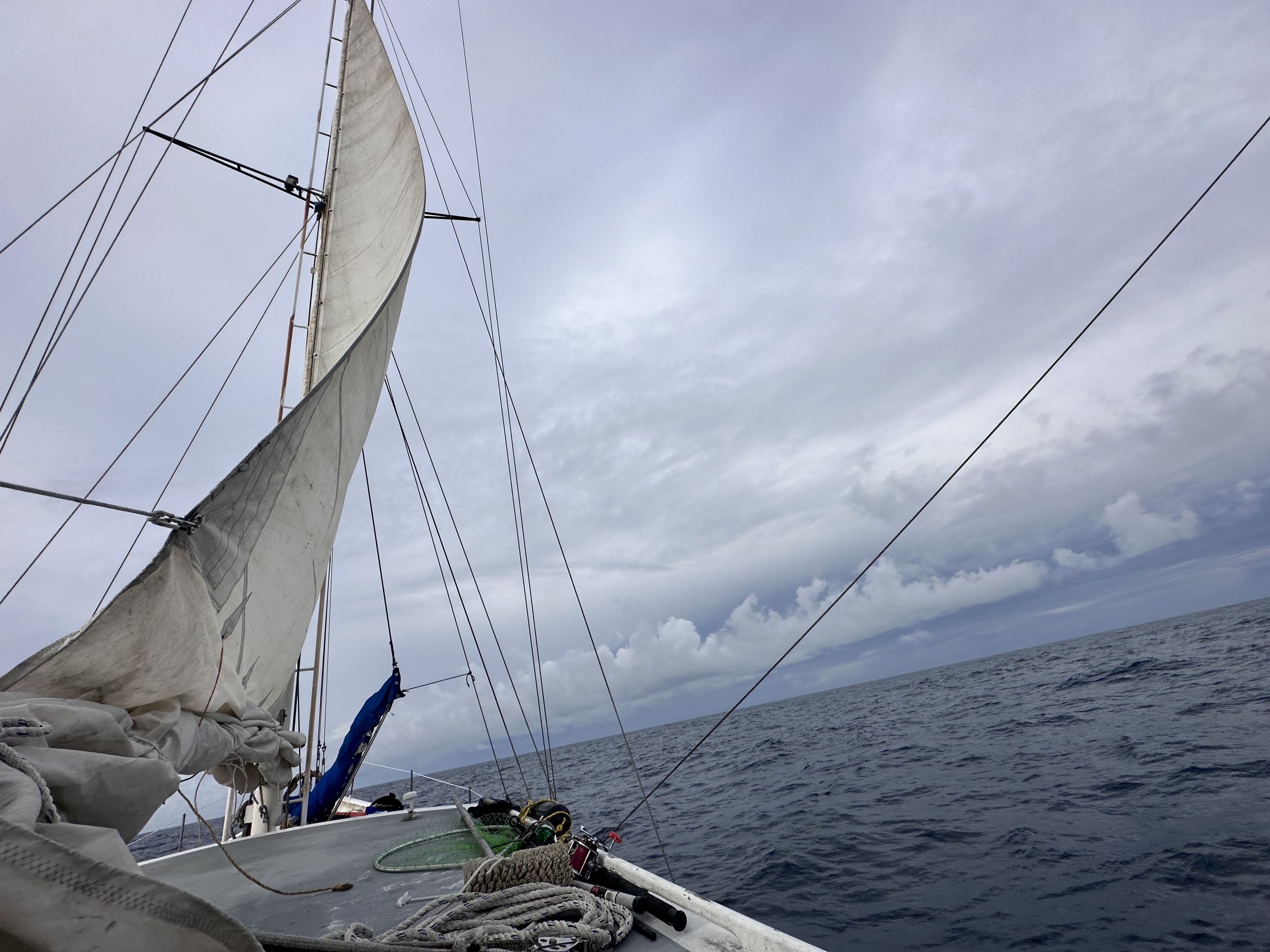
Once they got the boat in shape, Price and Hiza started going out for albacore. “People asked us how much we use the sails, and we tell them, as soon as we leave the harbor and get under the bridge the sails are up.” According to Price, she and Hiza troll at around 6.5 to 7 knots. “With just sails we go around 4 knots,” she says. “We use both. But sometimes the sails add too much, and we have to reef them.” When fishing, Price notes that they only use the main sail and head sails. “The mizzen gets in the way when we’re catching fish,” she says. The mizzen mast, she adds, also serves as the exhaust for the engine, vented out the top far above the deck.
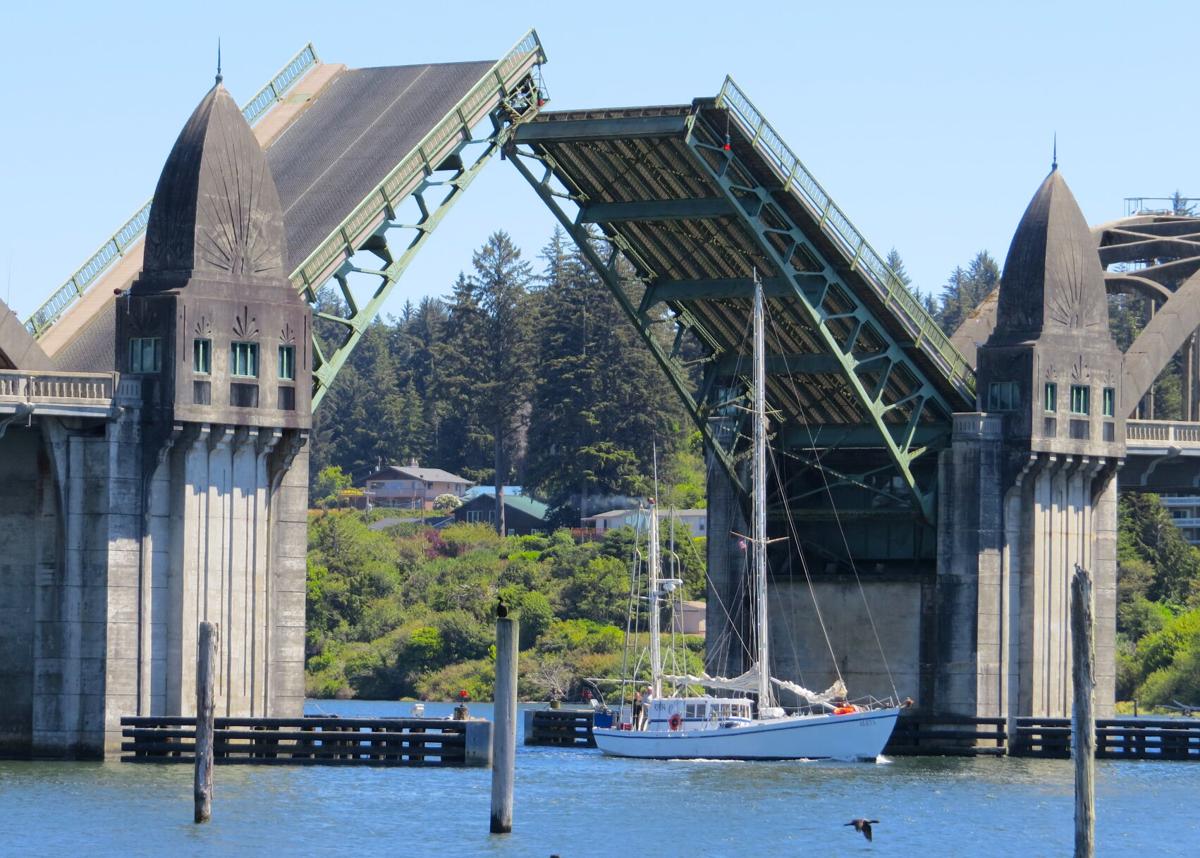
Price notes that the sails reduce fuel consumption of the already economic engine, enabling her and Hiza to venture out more than 200 miles and fish for as long as two and a half weeks.
The pair’s electronics suite is mostly older equipment, but it gets the job done. “We mostly use our Furuno sea surface temperature gauge to look for edges, and we have a Furuno FCV-1100L fish finder, and a radar and Starlink so we can get the weather. We also run TimeZero, and have a Comnav 1001 for our pilot.”
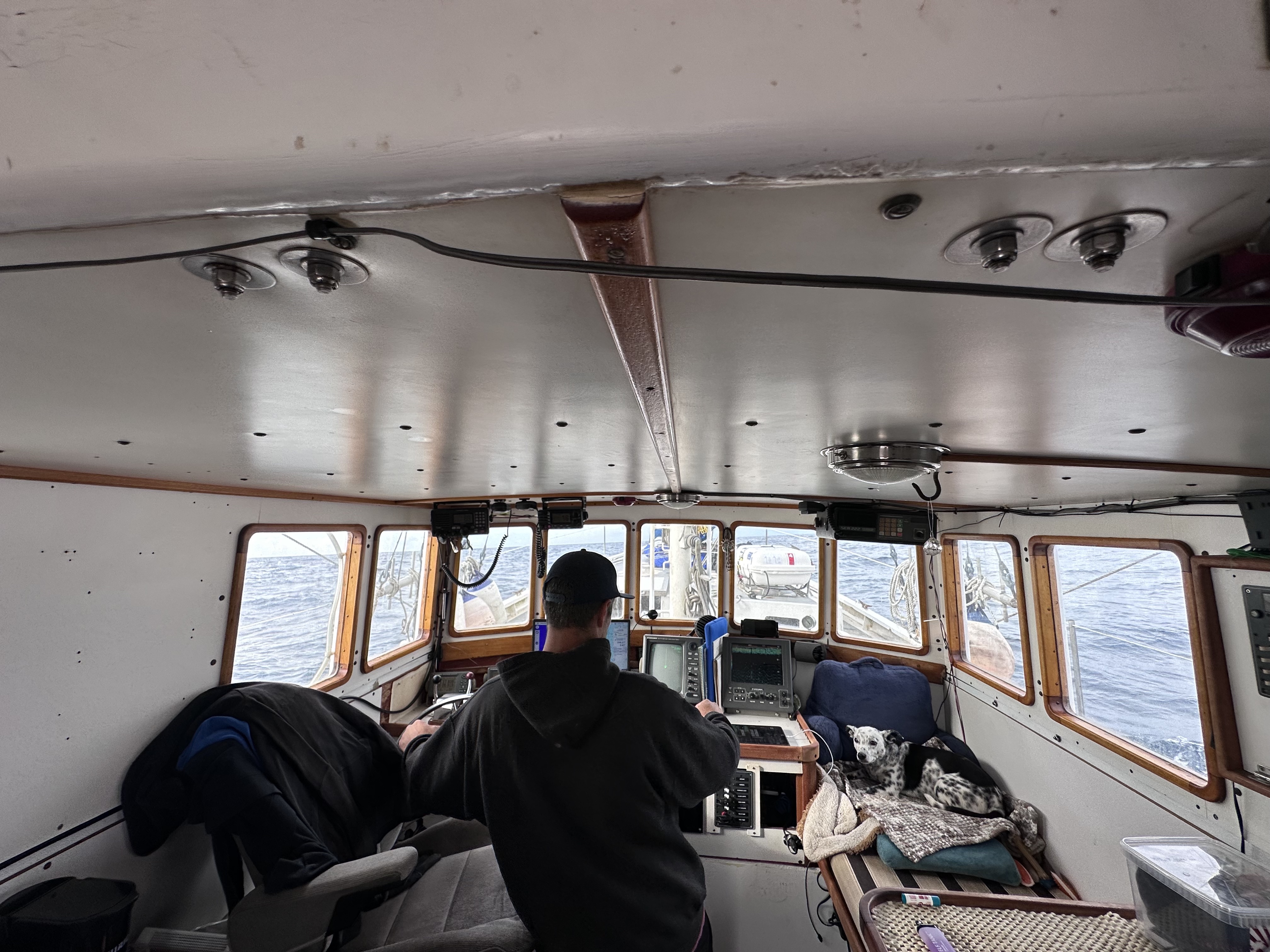
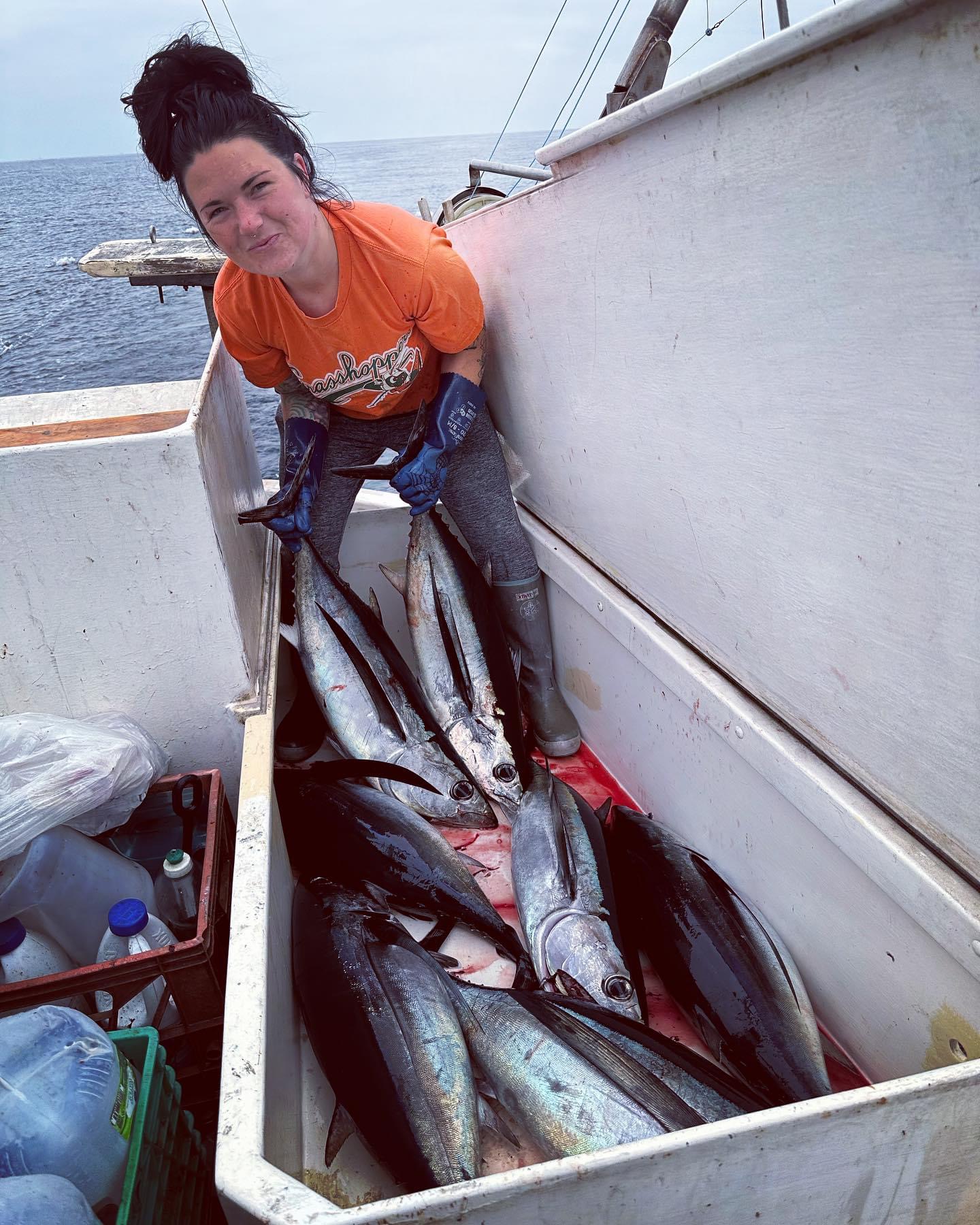
The Aleta has aluminum outriggers that swing down from the mizzen, and Price and Hiza fish twelve lines with tag lines to the stern, sometimes using a hydraulic hauler to bring fish in. They don’t have a traditional trolling pit. When they get a fish to the stern, they lift it up over a rail and onto a specially designed table for bleeding. “We try not to use the gaff too much. We get them up and onto the table and spike them and bleed them,” says Price. “Then there is a box along the side below the table that holds a little over 60 fish; when that’s full we have to put them in the hold, but we have a fish tube that goes past the wheelhouse to the hold so we just shoot them down that and avoid getting the wheelhouse all fishy.”
The Aleta is more than just a work platform for Price and Hiza; it’s their home, and it continues to be a work in progress. “Everything we earn, we put back into the boat,” says Price. “One of the first things Brandon did was build us a little head with a shower for me.” Price adds, however, that fresh water is limited. “At some point, they took out the freshwater tanks so they could put in bigger fuel tanks.” She points out that while the vessel can now carry 1,500 gallons of fuel, it only has a 20-gallon water tank. “Thank God for baby wipes. We try to keep all our fishing stuff back at the wheelhouse. Our living space is forward of the fish hold. Right now it has three bunks for us and our dog Bruno, who goes everywhere with us.”
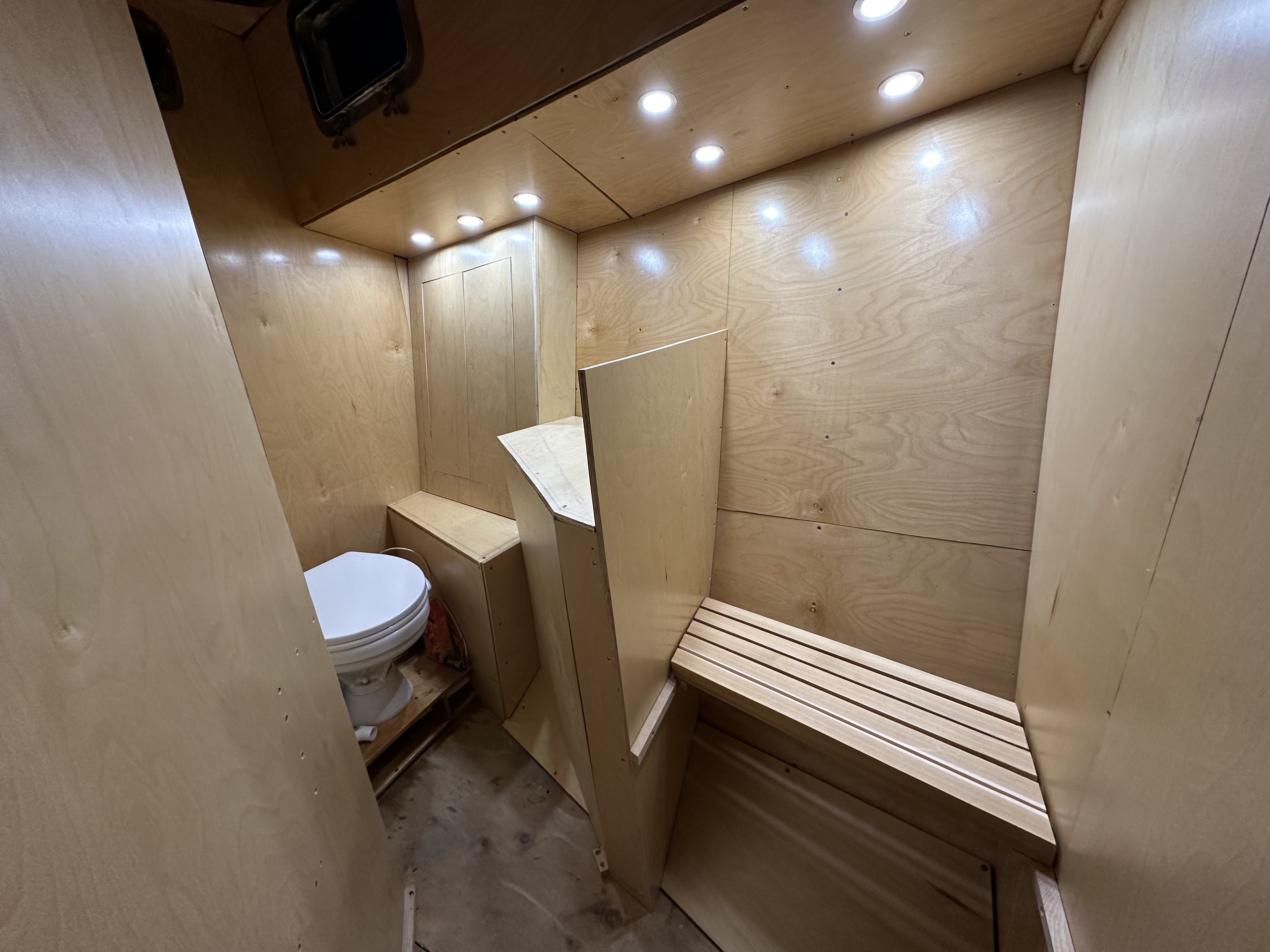
Price and Hiza’s next steps are to fix up the living quarters more. “Brandon’s going to tear everything out and start over,” says Price. “And we plan to do something with the forward area. We’re not sure what yet. One fun thing that happened: we were out fishing, and there were some boats nearby that were talking about how good it was to see the Aleta fishing again, and one of them said he had the original plans for the boat. We got on the radio and said, ‘Hey, we’re listening to you.’” One thing led to another, and the other fisherman brought them the plans once they were back in port together.
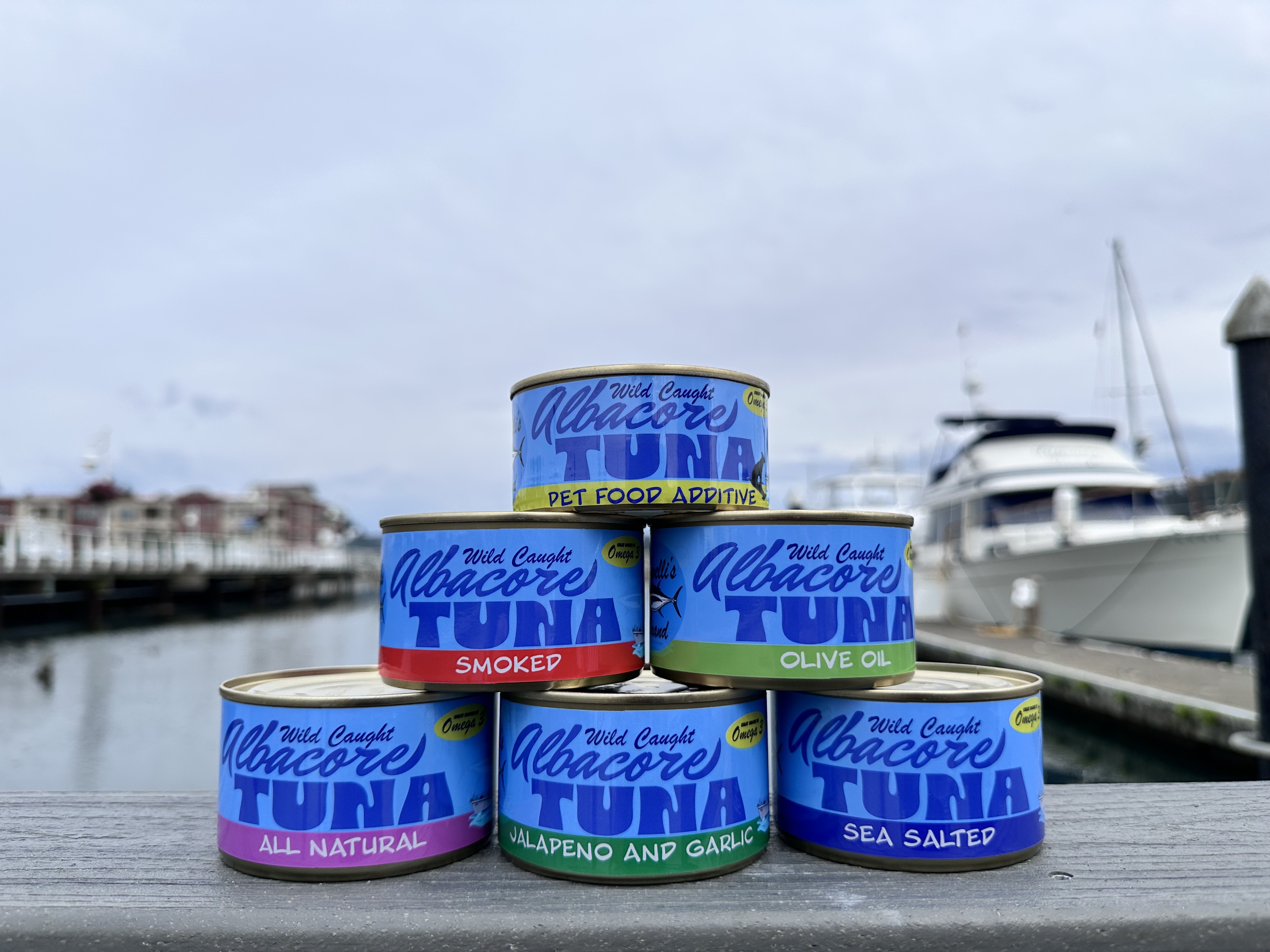
Having only owned the Aleta for four years, Price and Hiza are still working out how to make a living on her. Price notes that they have the good fortune to be living in a fish-hungry community. “That trip we had of five tons, we sold almost all of it off the boat over the course of a month and a half. The people around Florence love fresh fish, and we feel happy to be bringing it to them. And we love meeting the people who are going to eat our fish. There’s something really special about that.”
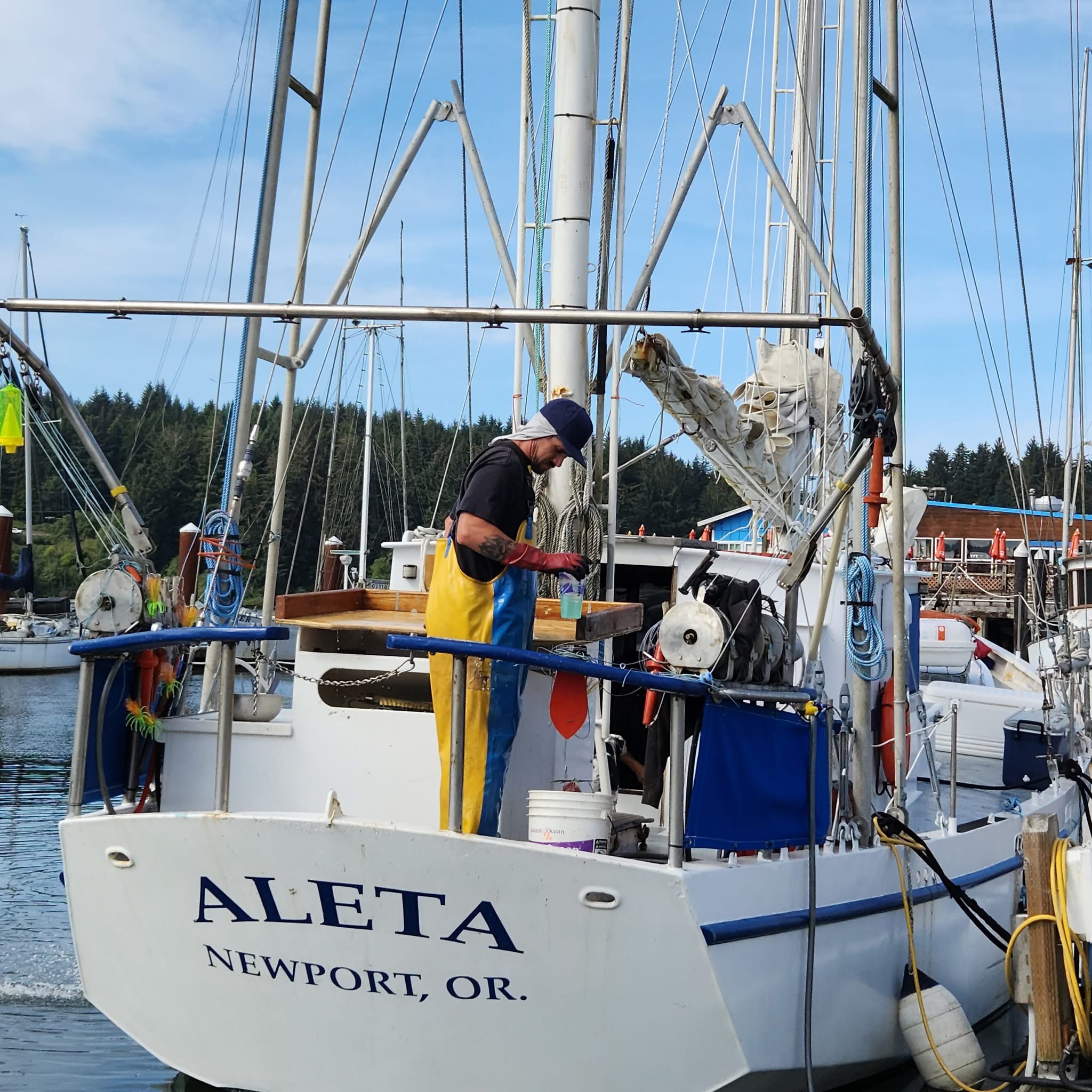
Hiza does all the fish cutting on board, Price notes. “We sell albacore for about $4 a pound, and charge $5 a fish for filleting and loining. But if you buy over 100 pounds, the cutting is free.”
The Price Hiza team hopes to expand its offerings to the Florence area community. “We want to get a salmon permit,” says Price. “We’re looking for one that is a good fit for us. And we are going to get VMS so we can catch rockfish.”
Spec Box
Name of Boat: F/V Aleta
Home Port: Newport, Oregon
Owner: Joe Mayer
Builder: Built on an Avocado farm and launched in Ventura, California
Hull Material: Steel
Year built: 1988
Fishery: Albacore troller
Length: 49 feet
Beam: 19 feet
Draft: 9 feet
Propulsion: 150-hp Mercedes-Benz OM352 with a Newage PRM gear at 2.565:1
Sail power: ketch rigged with two headsails
Gensets: Isuzu 4BG1-B 40kW
Fuel Capacity: 1500 gallons
Water Capacity: 20 gallons
Hold capacity: insulated hold with 20,000-pound capacity, with a homemade brine freezer
Crew accommodations: 3 bunks in the main cabin, day bed in the wheelhouse
Electronics: Comnav 1001 autopilot, Furuno FCV-1100L, Furuno water temperature sensor, Starlink communication system, Furuno Radar, TimeZero
Deck Gear: hydraulic salmon gurdies, hydraulic hauler for tuna