

The New England Fishery Management Council (NEFMC) has pressed pause on a controversial proposal that could reshape how fishermen operate in seasonally restricted federal waters.
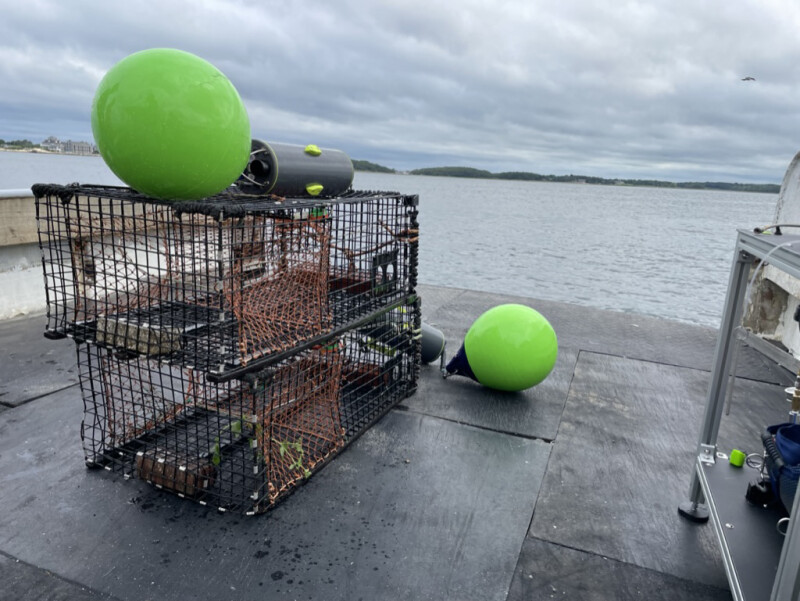
Nora Saks with Maine Public reported that the council voted unanimously on September 25 to delay action on a regulatory framework that would permit the use of alternative gear designed to protect whales. These new on-demand or ropeless systems replace traditional vertical buoy lines with digital markers, showing gear locations electronically rather than at the surface.
Although the technology has shown promise, questions about its effectiveness, costs, and regulatory implications remain unanswered. Geoff Smith of the Nature Conservancy in Maine emphasized that while trials indicate ropeless gear can work for fixed gear fishermen, the council needs to ensure it is viable for both mobile and fixed gear operations, regardless of whether individual fishermen choose to adopt it.
The delay has sparked criticism from members of the lobster industry during public comments in Gloucester, MA. Many lobstermen voiced frustrations with the ongoing debates, with one stating, “This needs to be taken off the table forever in the lobster industry.”
Though the issue isn’t closed yet, the Mid-Atlantic Fishery Management Council plans to take up the same proposal next month. If both regional councils reach different decisions, the final decision would be made by NOAA Fisheries.
National Fisherman reported in July that entanglement in fishing gear or marine debris had ensnared 64 large whales in U.S. waters during 2023, which is below the average annual number of cases in recent years but not yet a clear trend, according to the National Marine Fisheries Service (NMFS).
According to an NMFS breakdown of 2023 confirmed entanglement cases, 61 cases or 95 percent involved live animals, and three were whales found dead and floating when initially reported. The 2023 cases were lower than the average annual number of 71.8 confirmed entanglements from 2007 to 2022.