

For the first time in four years, California’s salmon fishery is set to reopen this spring– offering a long-awaited opportunity for commercial fishermen who have weathered consecutive closures tied to historically low stock levels.
The commercial season, shuttered since 2023, is expected to open in mid-May, with final dates and regulations to be determined in April by the Pacific Fishery Management Council (PFMC). While the reopening signals a rebound in salmon abundance, many in the commercial fleet say the path forward is far from certain.
According to the Calif. Department of Fish and Wildlife (CDFW), salmon populations have more than doubled compared to last year, enough to support both recreational and commercial fisheries in 2026. “Salmon stocks have recovered to the point that sport and commercial ocean fisheries can be offered this year,” said CDFW’s Marci Yaremko to Lookout Santa Cruz.
But for working fishermen, a limited and highly managed season raised concerns about economic viability.
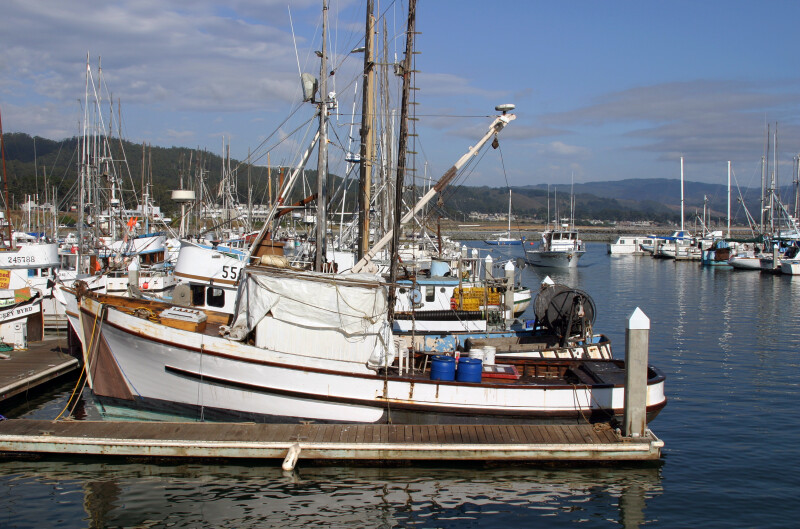
Ian Cole, owner of Sanra Cruz-based seafood distributor Ocean2Table, said the short window and lingering uncertainty make it difficult for fishermen to justify gearing up. After years of closures, many vessels have fallen out of the fishery, and the cost of maintaining boats and reinstalling salmon gear is steep.
“It’s difficult to make business decisions around such a short season after being closed for years,” he said. If salmon do come back in significant numbers in the future, there won’t be as many people participating or who have the relevant expertise as the boats and fishers age. “We’re watching the knowledge on how to fish for salmon disappear,” said Cole.
The PFMC is currently weighing several regulatory options, including a constrained season in central Calif. Waters– potentially limited to select months– or a more restrictive scenario that would only allow fishing in northern areas. A final decision is expected by April 12, with implementation set for mid-May.
Even under the more favorable scenarios, the season is expected to be tightly controlled to ensure enough adult salmon return to spawning grounds this fall. That conservation focus, while necessary, may further limit opportunities for commercial harvest.
Beyond the immediate season, fishermen are also grappling with longer-term impacts. Years of closures have taken a toll on the fleet, not only in lost income but in lost expertise.
“We’re watching the knowledge on how to fish for salmon disappear,” said Cole.