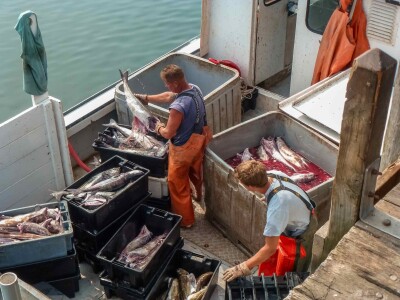
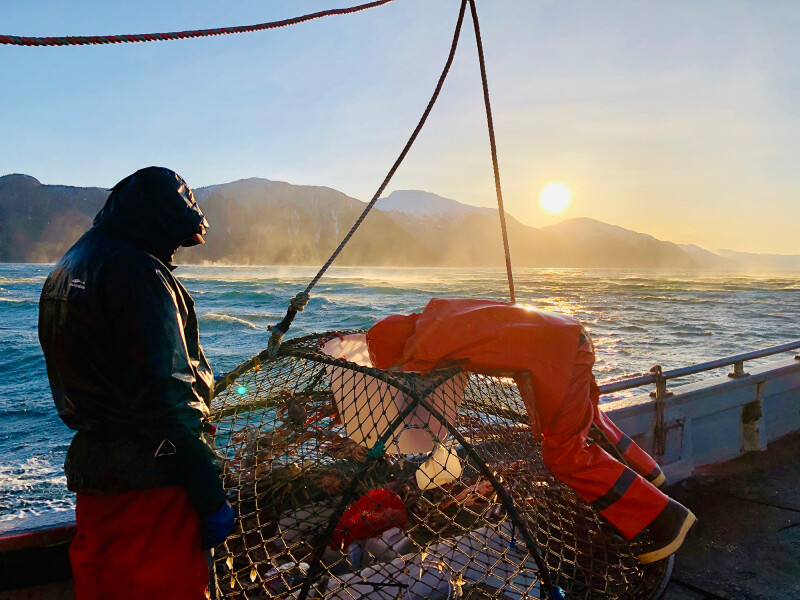
There are aspects of winter fishing that are obvious. It’s colder, it gets dark earlier, it just generally can seem more challenging. Weather windows are shorter, wind can come on faster, and of course, snow.
While you might not sweat as much, there are other signs that fishermen should be thoughtful of in order to make sure they are taking care of themselves because fishing in cold weather can be more taxing on the body in a myriad of ways other than it just being colder and more challenging.
Commercial fishermen are industrial athletes, and winter can change the rules of the game. Cold exposure, wet environments, cold hands, heavy gear, and reduced daylight all place unique stress on the body. Understanding how winter affects recovery, and why hydration still matters even when you don’t feel thirsty, can make a meaningful difference in safety, performance, and long-term health.
Cold temperatures force the body to work harder just to maintain core temperature. Muscles stay tighter, joints feel stiffer, and circulation to the extremities is reduced. Add in repetitive lifting, hauling, and balance demands on icy decks, and it’s no surprise that fishermen feel more beat up in winter than during warmer seasons.
Recovery also slows in the cold. Reduced blood flow to muscles and connective tissue can delay the delivery of oxygen and nutrients needed for repair. That nagging shoulder or lower back soreness that might resolve overnight in summer can stick around for days in winter. Over time, this accumulated fatigue raises the risk of strains, overuse injuries, and simple mistakes that can have serious consequences on deck.
Sleep can suffer as well. Early starts, long nights, and limited daylight disrupt circadian rhythms, especially during winter months. Poor sleep further impairs recovery, reaction time, and decision-making which are factors that matter greatly in a high-risk occupation.
One of the most overlooked contributors to winter fatigue is dehydration.
In cold weather, thirst cues are blunted. You might not be sweating as visibly, so it’s easy to assume hydration isn’t an issue. In reality, the body continues to lose fluids through respiration, cold-induced diuresis, and physical exertion layered under heavy gear.
Even mild dehydration can reduce grip strength, slow reaction time, and impair balance, things no one wants compromised on a working deck. Dehydration also affects muscle recovery, making soreness last longer and increasing the likelihood of cramps and soft tissue injuries.
Coffee is often the go-to winter fluid, but caffeine alone does not adequately replace lost fluids or electrolytes. While warm drinks are helpful, relying solely on coffee can actually worsen dehydration if overall intake is low.
Recovery is often treated as something optional, nice if you have time, but often unrealistic during the fishing season. But, fatigue compounds faster in cold conditions. When recovery is inadequate, it seems like you have to push harder through stiffness and soreness, altering movement patterns and placing additional stress on already taxed joints and muscles. This is when minor aches turn into injuries that can sideline someone for weeks or longer.
Thinking about recovery as a safety tool rather than a luxury is critical. Adequate hydration, sufficient calories, and intentional rest all contribute directly to safer work. Stronger grips, steadier footing, and sharper focus are not just performance metrics, they are protective factors.
Recovery doesn’t require a gym membership or complicated routines. Small, realistic habits make the biggest difference, and it starts with being intentional about the basics. Hydrate regularly throughout the day, even if you don’t feel thirsty. Things like warm water, broths, or electrolyte drinks are often easier to tolerate in cold weather. Make sure you’re eating enough calories, since cold exposure increases energy demands and under-fueling can speed up fatigue and slow recovery.
Taking a few minutes to warm up before heavy work like hauling or lifting helps improve circulation and reduce stiffness, and changing out of wet gear as soon as possible prevents prolonged cold exposure that can keep muscles tight. Prioritizing sleep whenever you can, even small gains in consistency, can make a meaningful difference in recovery and safety.
Some fishermen may also benefit from supplements like creatine, and hydration products from companies such as LMNT, Liquid IV, or Mio can help support fluid and electrolyte intake during long, cold days.
Fishing in winter is more than just working through harsher conditions. It is putting more strain on your body to perform under sustained cold stress with fewer natural recovery advantages. Recognizing this reality matters, not only for individual health, but for the long-term ability to continue fishing. Treating winter recovery and hydration with the same seriousness as gear maintenance or vessel safety is one more way fishermen can protect themselves and each other through the toughest months of the year.