

The University of Hawaii (UH) announced it has launched a new initiative to advance fisheries research, education, and training, aimed at supporting sustainable fisheries management across Hawaii and the broader Pacific region.
The effort centers on the creation of a graduate training program at UH Mānoa that integrates both Western science and Indigenous knowledge systems, the university said in a statement on Wednesday. The program will focus on building regional capacity by training future fisheries scientists, stewards, and managers to address the distinct challenges of Pacific Island fisheries.
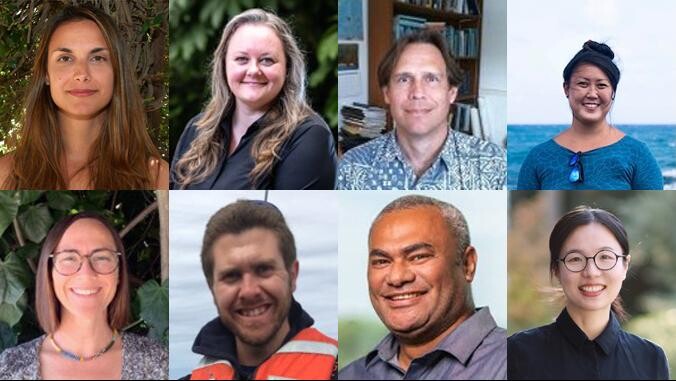
To support this initiative, UH has hired eight new faculty members with expertise ranging from oceanography and economics to Indigenous coastal management. These hires span six schools and colleges across the UH System and will contribute to the development of the graduate curriculum and expansion of fisheries research.
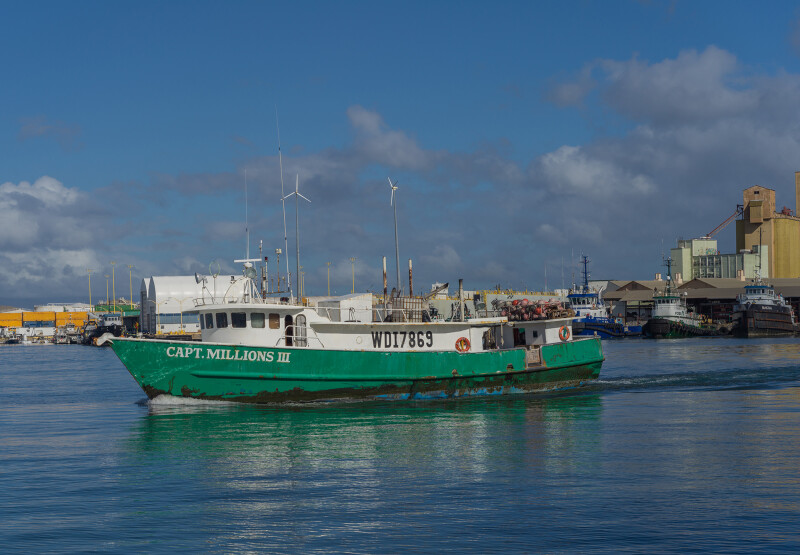
Fisheries in Hawaii include a wide range of sectors, from the open-ocean longline fishery — the sixth largest U.S. fishery by monetary value — to traditional community-managed systems such as fishponds. Notably, most nearshore fisheries in the state are non-commercial, requiring specialized, community-oriented management strategies.
“It's exciting to be creating a Pacific Island-serving research and education program that will develop our local talent,” said Charles Littnan, director of NOAA’s Pacific Islands Fisheries Science Center. “By creating a nexus of tropical fisheries study, the program will promote collaborative efforts between UH, local resource managers, and experts from other nations around the Pacific rim.”
The initiative addresses the ongoing mismatch between fisheries management models developed for continental, cold-water systems and the realities of warm-water, tropical Pacific fisheries, the university said. These fisheries often involve diverse species, varied fishing practices, and Indigenous communities with long-standing relationships to the ocean.
In response, the UH program emphasizes regionally relevant training and participatory governance, aiming to empower community-based solutions for sustainable fisheries.
“It is critically important to elevate and co-develop knowledge relevant to the Pacific, foster local expertise, and train the next generation of fisheries stewards and managers,” said Megan Donahue, director of the Hawaii Institute of Marine Biology (HIMB) in the UH Mānoa School of Ocean and Earth Science and Technology (SOEST). “The new faculty members in this cohort each bring unique perspectives and talent to the complexities we face here. In addition to their contributions to advancing research and sustainable management of Pacific fisheries, they will be a vital part of developing a fisheries graduate training program.”
The university envisions this initiative as a foundation for a future center of excellence in tropical fisheries, positioning UH as a leader in island-ocean systems research and sustainable resource management throughout the Pacific.