
In late January, when winter storms pound the Washington coast and tourism elsewhere slows to a crawl, the docks in Westport tell a different story.
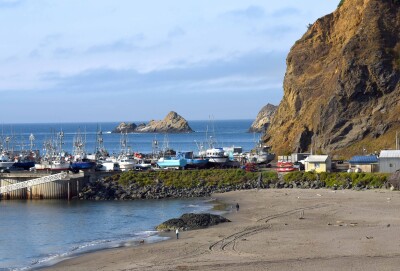
Boats come and go through Grays Harbor, and the crisp winter air surrounds the fishermen who routinely make the port rank among the top seafood landing ports in the country. It’s during this stormiest stretch of the year that Westport leans fully into what it was built on – fishing – with the 4th Annual Storms & Seafood Festival, a passport-style event built by fishermen, port and city staff, processors, and local businesses to celebrate a working waterfront when it’s at its rawest.
Held Jan. 29 through Feb. 2, 2026, the festival invited visitors to brave the weather, watch Pacific storms roll in, and eat their way through locally landed seafood at more than a dozen restaurants and markets across the city.
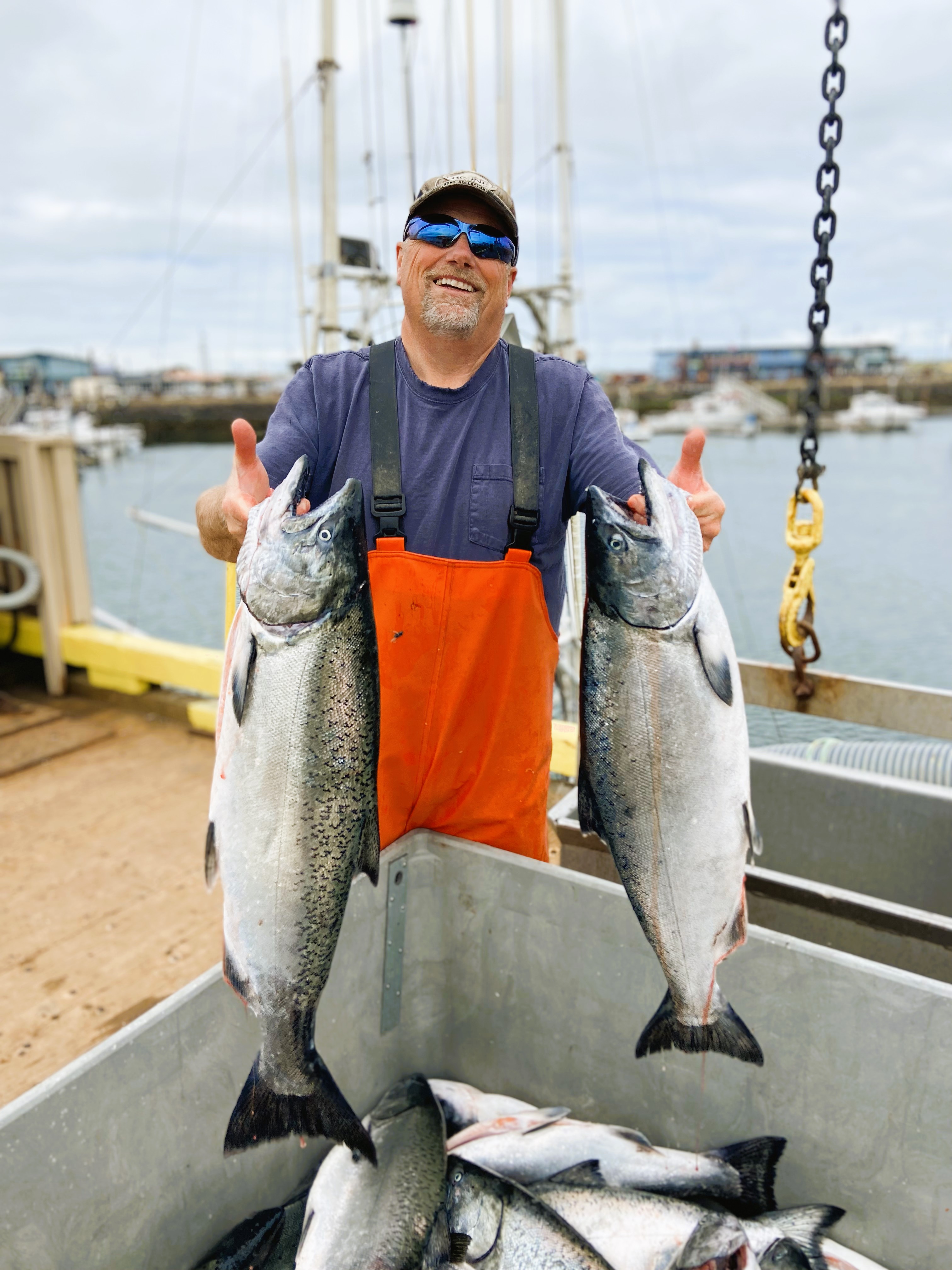
“This is Washington’s largest seafood landing port, and often among the top 10 to 20 in the United States by volume,” shared Molly Bold, who works for the Port of Grays Harbor and helped create the festival. “For that kind of commercial fishing activity to be coming through a town this small, it’s something we’re really proud of.”
Turning quiet season into an opportunity
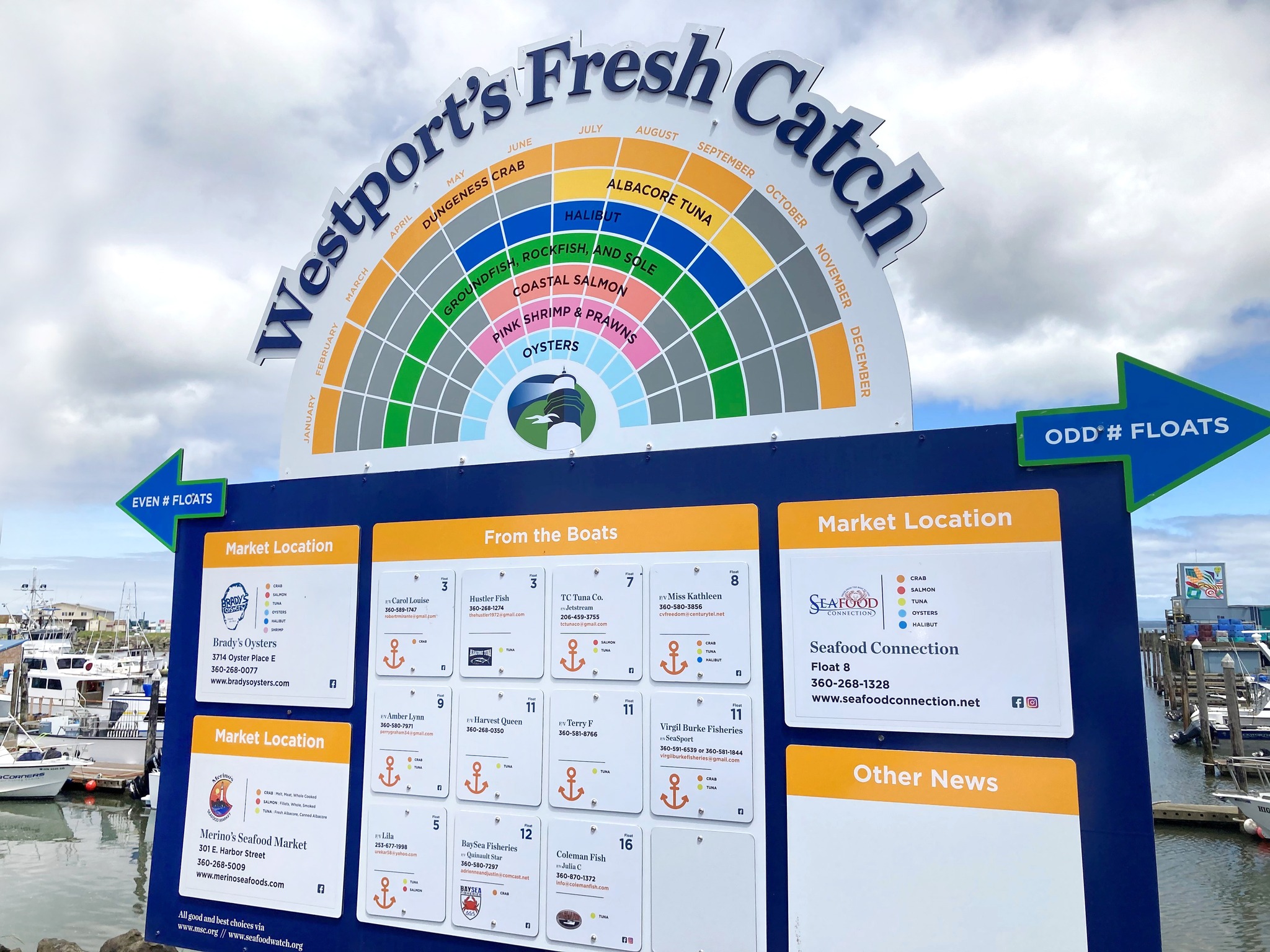
Storms & Seafood grew out of a broader effort called Westport’s Fresh Catch, a joint project between the port, the city, and fishing stakeholders aimed at answering two simple questions the public kept asking: What’s in season, and where do I get it?
“We realized people would hear how big of a seafood port we are, but they didn’t know what was being landed or how to buy it,” Bold said. “You shouldn’t need a family connection to find the best seafood. You should just be able to find that information.”
The Fresh Catch program aggregated information about local fishermen, seafood markets, and restaurants, eventually rolling out signage, seasonal calendars, and tourism messaging focused squarely on commercial seafood. That visibility hit a nerve and highlighted a gap.
Winter, Bold shared, was still quiet.
“So we said, let’s call people out to the coast in the middle of winter, when it’s stormy and rainy, and give them a reason to come – to eat local seafood,” she said.
The first Storms & Seafood festival launched four years ago with modest expectations. Organizers hoped maybe 50 to 70 people would show up. Instead, several hundred did, and the event has grown every year since.
A passport built around seafood
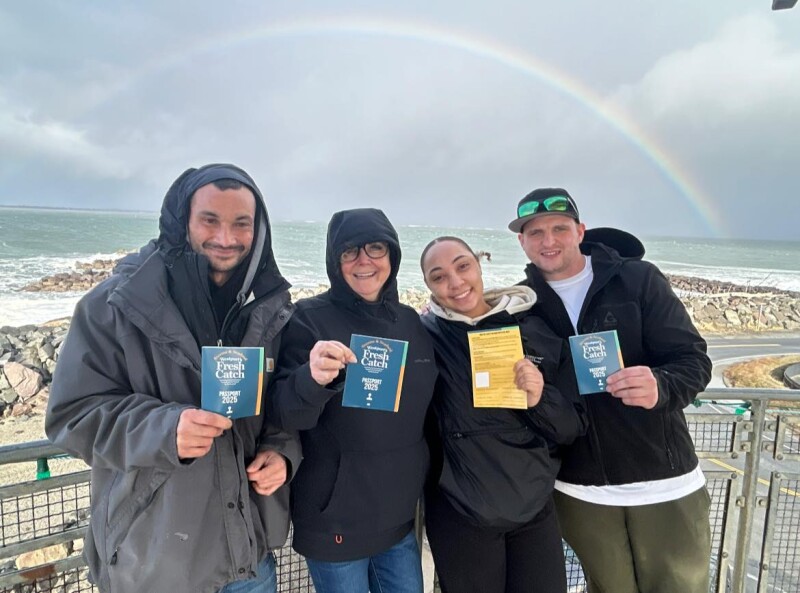
The festival’s format is simple. Visitors purchase a passport and collect stamps by eating local seafood at participating restaurants and markets. Fill the passport, earn Westport swag. Just food and community.
“All we asked was that restaurants offer local seafood,” Bold said. “Some of them didn’t have any seafood on their menus before, certainly not local seafood. But every single one stepped up.”
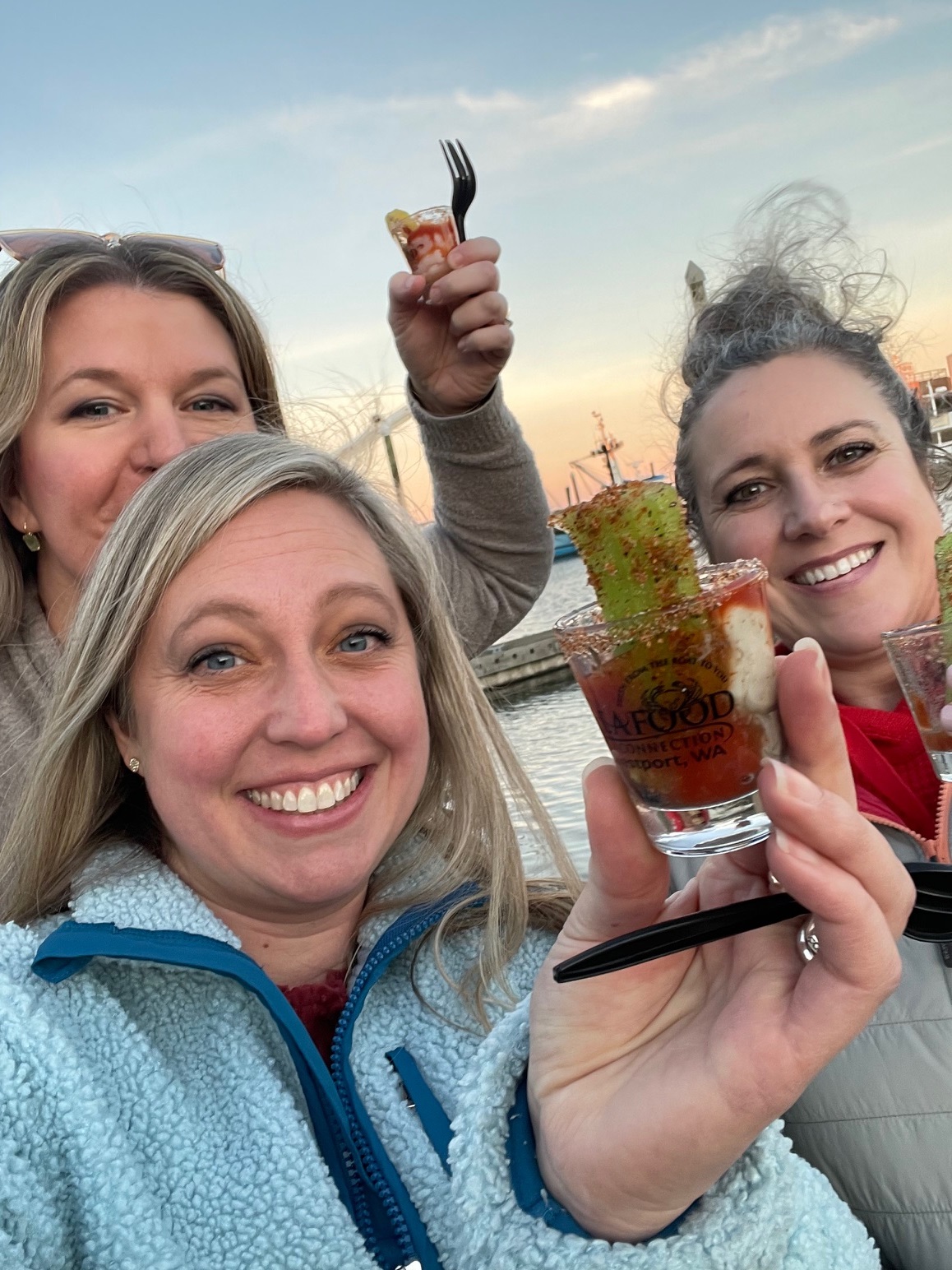
This year’s festival again includes more than a dozen restaurants and four seafood markets, each highlighting Washington-landed product. And for participants who don’t want to eat eight full meals in a weekend, there are other ways to earn stamps- all tied directly back to fishing.
Those include crab-cracking classes where participants keep what they crack, oyster farm tours and shucking lessons, talks with fishermen, and readings by fisher-poets. New this year is an “Evening with the Legends,” modeled after an After the Catch style conversation with longtime local fishermen sharing stories from the wheelhouse.
“It’s all meant to help people understand where their seafood comes from and who lands it,” Bold said.
Frozen IS fresh
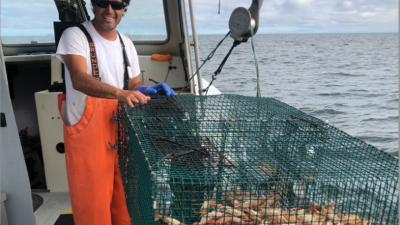
January also happens to align with the start of Washington’s Dungeness season, the backbone of Westport’s fishing economy.
“We dropped pots January 1st this year- the earliest start we’ve had in about 10 years,” Bold said. “So, the waterfront is hot and heavy out here with crab activity.”
While California and Oregon fleets have faced repeated delays in recent seasons, Washington’s opener gives festival visitors a chance to see boats actively fishing and offloading. Crab dominates menus, but the festival also emphasizes an often misunderstood message: frozen still is fresh.
“That’s part of what we’re educating people on,” Bold said. “Frozen is fresh. In many cases, it’s better fantastic.”
Albacore tuna, halibut, and other species may not be in season during winter, but they remain part of the story, and part of the supply chain that keeps ports like Westport working year-round.
Storm watching with a purpose
Storms & Seafood isn’t just about what’s on the plate. It’s also about where you’re standing when you eat it.
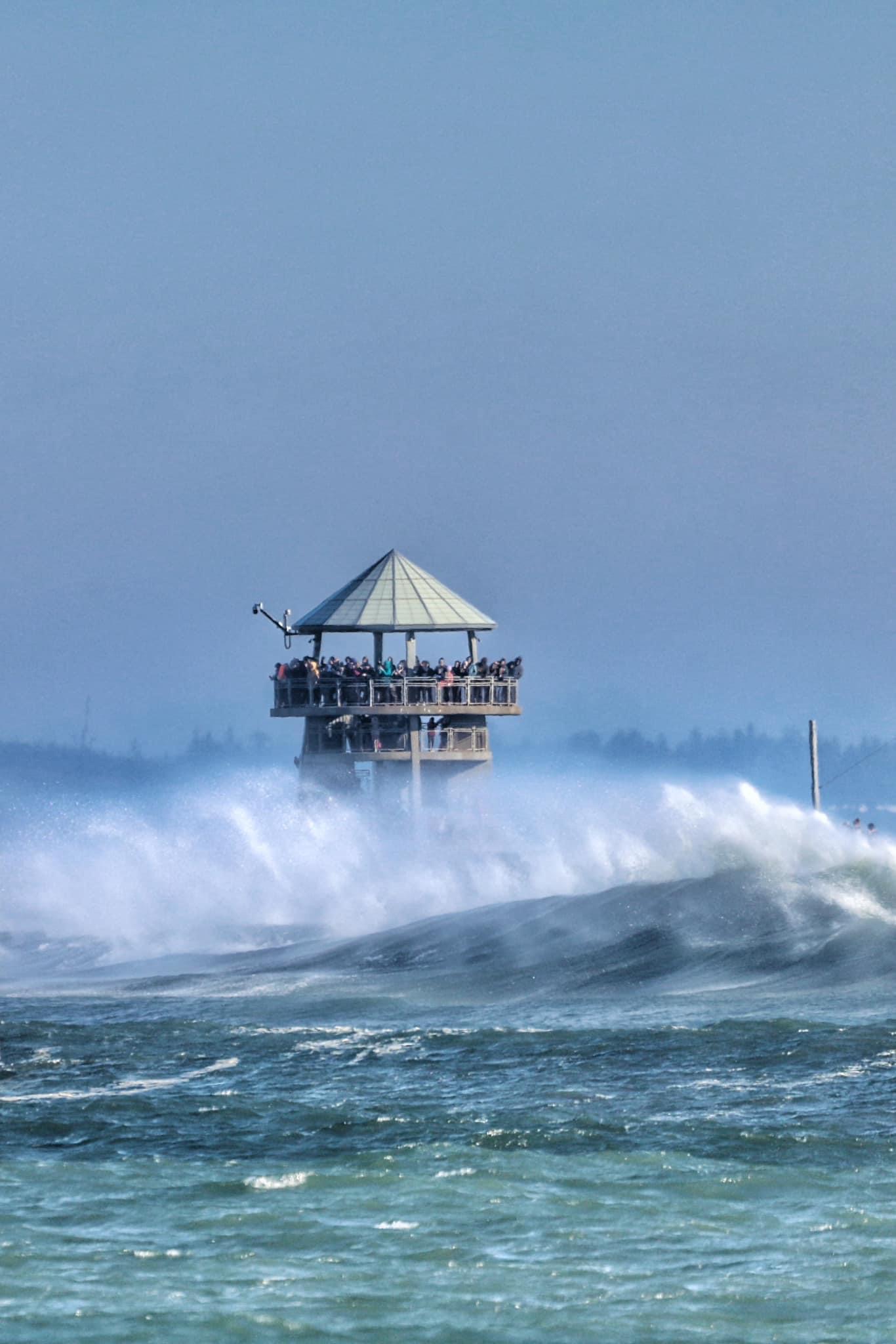
Westport sits on 18 miles of Pacific coastline, and the festival is intentionally scheduled during king tides, when waves overtop jetties, and the ocean shows its full force. Visitors climb the city’s iconic view tower, watch storms slam the coast, then warm up inside with chowder, crab, or coffee.
“People actually want it to be stormy,” Bold said. “Which works out well for us.”
Local businesses across the city join in, offering Storms & Seafood-themed drinks, donuts, and specials- ensuring the benefits ripple beyond restaurants alone.
“It’s seafood-focused, but it really helps everyone,” Bold said.
What sets the festival apart is who runs it. It’s all commercial fishing-related people. Bold shared, “Fishermen, seafood processors, the port, the city. It’s very grassroots.”
That matters in a place that has weathered cycles of change without losing its working waterfront. While gentrification has reshaped coastlines everywhere, commercial fishing remains central to Westport’s identity and to what draws visitors there in the first place.
“People come here because it’s real,” Bold said. “It’s not a yacht club. It’s authentic, and people love that.”
That authenticity is also what makes the festival resonate beyond tourism. For fishermen and seafood workers, Storms & Seafood is a reminder that even in the slowest season, the docks still matter – and the public still wants to understand what happens on them.
In Bold’s words, commercial fishing and seafood aren’t just what visitors come to see- it’s what keeps them standing when the storms roll in.
This year's festival is held from January 29 through February 2. You can preregister online here.