Fisheries researchers in Alaska are investing in the acoustic tagging of king salmon smolt to learn more about challenges they face on their way to the ocean.
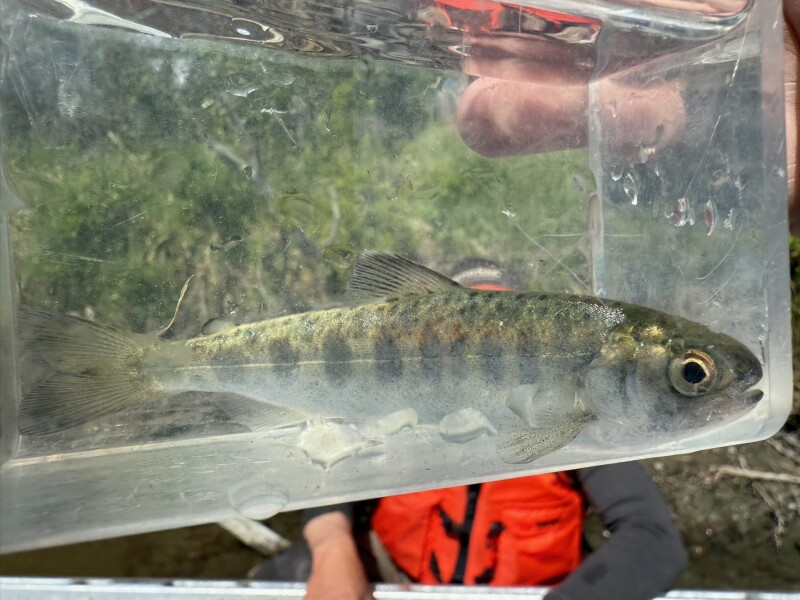
The project, a collaboration of the University of Alaska Fairbanks and the Alaska Department of Fish and Game, has implanted these tags into the abdomens of 289 Kenai River king salmon smolt to track their journey from the fresh waters of the Kenai River of Southcentral Alaska to the salt waters of Cook Inlet.
This is the first time that acoustical technology has been used on juvenile salmon in Alaska, according to project information released by UAF on Tuesday, Oct. 14.
The severity of the king salmon decline in Alaska varies, with the most severe population crashes in the Yukon and Kuskokwim rivers of western Alaska. In northern Cook Inlet, wild king salmon fisheries are also severe, and in the Kenai River, the popular late run king salmon sport fishery was closed this year to protect existing stocks. In the Copper River, the king salmon run again came in below forecast. Southeast Alaska has also seen significant declines in kings.
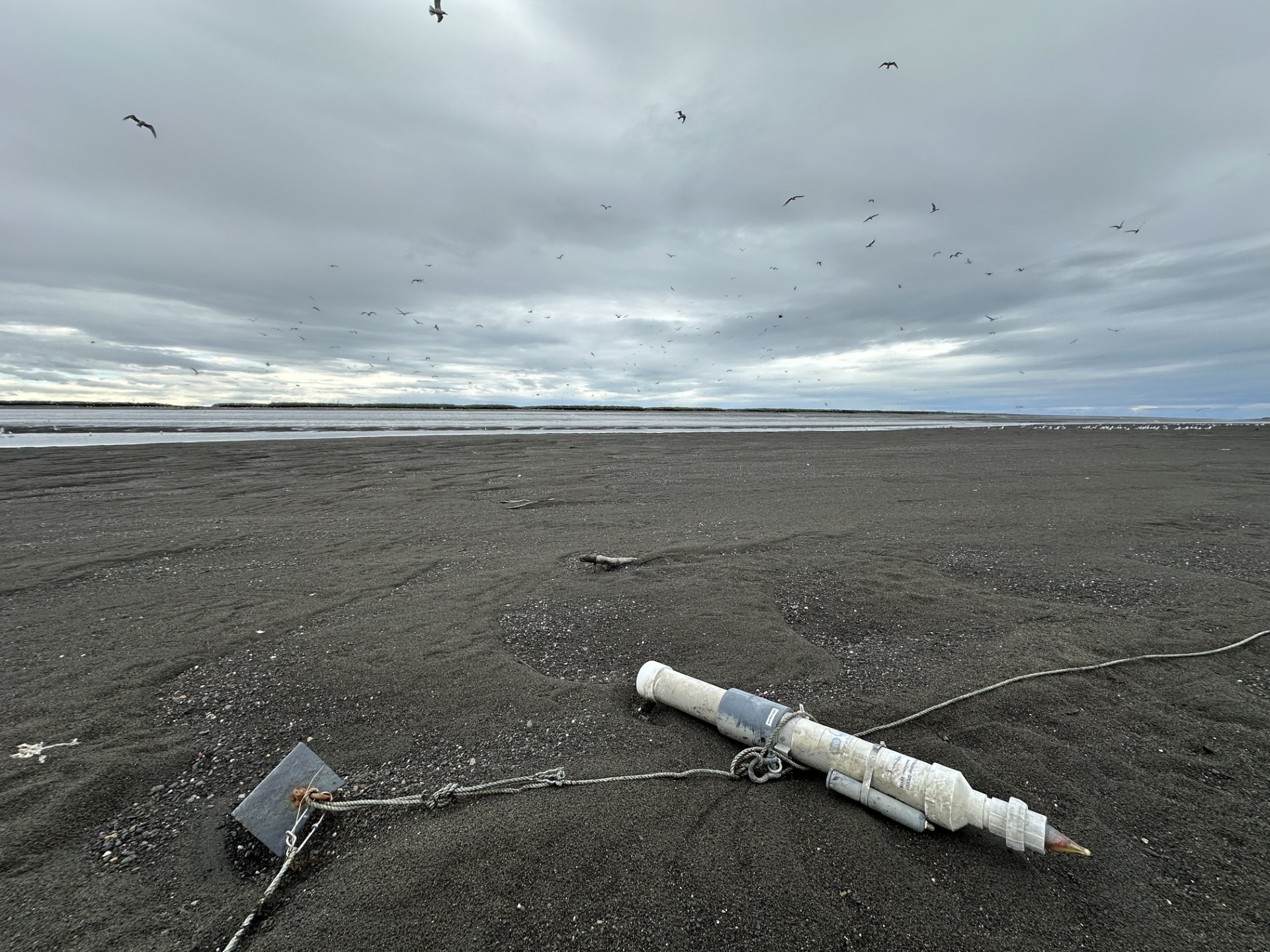
This first summer was spent working to adapt the technology to the rugged Kenai River environment. Plans are to expand the project in scope as it continues for each of the next two summers, researchers said.
Students in the UAF College of Fisheries and Ocean Sciences (CFOS) inserted the tiny devices, which are about the size of a Tic Tac mint, by making a micro-incision on the bottom of the smolt's abdomen and sliding the device in.
Each device has a unique signal and emits regular pings, allowing researchers to identify individual fish with underwater hydrophones as they make their way from the Kenai River to Cook Inlet.
Resources for studying king salmon to date have largely focused on adult fish, with the smolt stage being relatively understudied. The average king salmon smolt in this study is about 90 millimeters (3.5 inches) in length.
The project is funded via a $4 million federal earmark through the National Oceanic and Atmospheric Administration to research juvenile Chinook salmon. Acoustic tags are used by scientists to collect a variety of information on salmon migration patterns, survival rates, habitat use, and behavior, all vital for conservation and fisheries management.
Knowing more about the perils facing juvenile salmon may provide more information about king salmon population declines. The decline in king species, said Andy Seitz, a CFOS professor.
“It’s a time when they’re going through physiological changes, and it’s also a dangerous stage,” said Seitz, co-leader of the project. “They’re changing from freshwater to saltwater fish, and there are a lot of hungry mouths in the ocean.”
A better understanding of the survival bottlenecks facing young salmon could ultimately affect how they are managed in Alaska rivers, said Tony Eskelin, a fisheries biologist on the Kenai Peninsula who is leading the project for ADFG.
"We are estimating their migratory behavior and survival as they transition from fresh water to salt water," Eskelin said.
“Transitioning into the marine environment is a perilous life stage for these fish,” he said. “If we can better understand factors affecting their survival, maybe we can make some decisions to help them along the way. We have a lot of excitement for this project, and a lot of data to process.”