A new Canadian marine plastics recovery program traces its origins to the plight of albatrosses in the Midway Islands, which were struggling with the ingestion of plastics.
It all began around 2012–2013, when the idiom "an albatross around one's neck" had an impact on a group of concerned environmentalists in British Columbia.
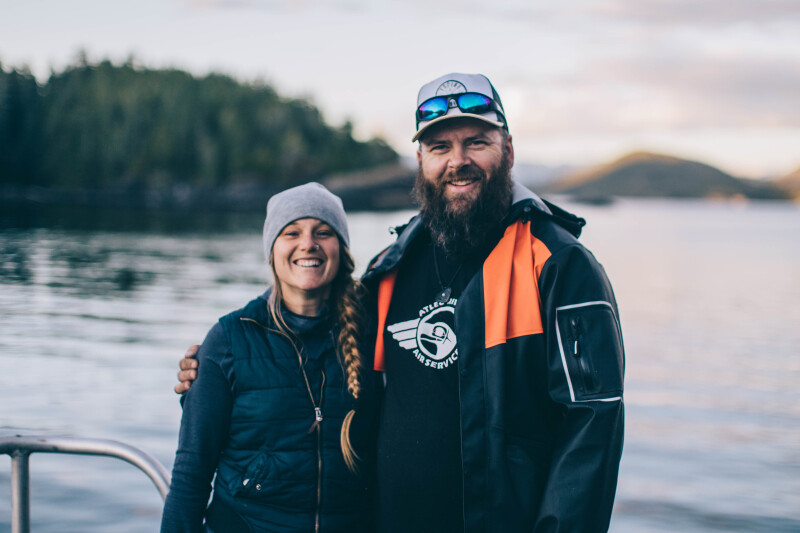
"We became aware that albatrosses in the Midway Islands, between Hawaii and Japan, were ingesting so much plastic and regurgitating it right into the bellies of their babies, so we started working on cleanup," said Chloe DuBois, executive director of the Ocean Legacy Foundation (OLF) in Richmond, British Columbia.
That awareness led to a 2013 event in Alaska that collected about 40,000 pounds of plastic debris within four days. "Then we started collecting plastics in our own backyard," said DuBois. "The volume of plastics everyone was recovering was enormous. We started building a recycling and repurposing program. What we and other groups were collecting was diverted away from landfills."
To date, the amount of plastics diverted from landfills through this program has reached 5,286,670 pounds, DuBois said.
On July 22, OLF announced the official launch of its Marine Plastic Membership Program (MPMP) to help solve end-of-life fishing gear disposal and recycling needs. OLF, an accredited United Nations Environment Programme entity and global leader in marine plastic recovery and recycling, designed its new initiative to support British Columbia's fishing and aquaculture industry in responsibly managing fishing gear disposal while driving Canada's circular economy.
The program accepts oyster baskets and crab pots, foam floats, hard plastic buoys, hard plastic fragments and HDPE pipe, beverage bottles, netting, rope, barrels, tires with or without Styrofoam, and Styrofoam. Its work, and that of OLF, is funded through a combination of government grants, sales of plastics, donations, sponsorships, and volunteer time.
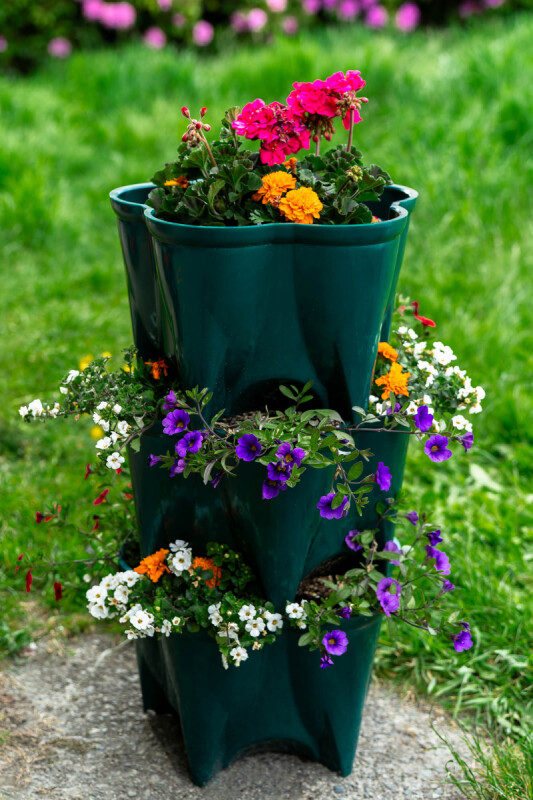
OLF has 15 to 20 paid employees, and the MPMP—which actually got its start in 2020—has hundreds of members who use its services, DuBois said. OLF repurposes the plastics received into the pellets used by its Legacy Plastic brand to produce products ranging from flower pots, garden boxes, and buckets to plastic lumber, picnic tables, and benches. OLF also sells its pellets to other companies for their own products, ranging from clothing and apparel to products for home, garden, and construction use.
The MPMP is part of OLF’s Strategic Management of Ghost Gear in Coastal Land, an initiative endorsed by the United Nations Educational, Scientific, and Cultural Organization’s (UNESCO) Ocean Decade under the Ocean Practices of the Decade Program.
"This program represents a transformative step forward in addressing the mounting challenge of marine plastic pollution," DuBois said. "Through the integration of waste recovery, tracking, sorting, and recycling technologies, the MPMP makes it possible to close the loop on marine plastics by turning waste into valuable resources."
Businesses participating in the program are joining a growing network of others who are reducing plastic leakage into ecosystems and improving material traceability. The program supports plastic carbon-footprint reporting and aligns with extended producer responsibility principles, helping businesses prepare for regulatory shifts while promoting long-term environmental and operational resilience, OLF said.
The program is receiving kudos from Tamara Davidson, B.C. Minister of Environment and Parks, who credits OLF as an inspiring leader of B.C.'s circular economy. The MPMP "will help find innovative solutions to address the challenges of marine plastics, and I am excited to see the positive impact this work will have on communities and the environment," she said.
"With support from our Ghost Gear Program, the Ocean Legacy Foundation is transforming marine waste into everyday useful products," said Minister of Fisheries Joanne Thompson. "It's a practical example of how a green, circular economy can protect the oceans while supporting sustainable jobs and local industry on our coasts."
"OLF has been working on how to take the materials we are recovering, separate, sort, and recycle them into new products," said DuBois, a citizen scientist with a focus on climate change research, microplastic research, and water and soil quality testing.
OLF provides training for those manning seven sites handling thousands of pounds of plastic from cleanup efforts and landfills.
Among the entities OLF receives plastics from is Net Your Problem, founded by former North Pacific groundfish fisheries observer and University of Washington fisheries researcher Nicole Baker. "There is certainly a dearth of plastics to clean up," said Baker, whose company works with plastics recovery on fishing gear ranging from bottom trawl nets, purse lines, and float lines to gillnet web, sink lines, and lead and cork lines from gillnetters.
A single trawl net from a factory trawler can weigh about 15,000 pounds, she said.
OLF notes that some 400 million tons of plastic are produced every year, of which 8 million to 12 million tons enter the ocean, killing marine wildlife, compromising human and ocean health, and threatening food safety. Microplastics, meanwhile, are threatening the entire ecosystem, and preventing plastic from entering the ocean helps prevent its eventual breakdown into microplastics, OLF said.