

Trump administration lawyers said Wednesday they will move by Oct. 10 to vacate previous federal approval for Avangrid’s New England Wind project, a move applauded by commercial fishermen and offshore wind power opponents.
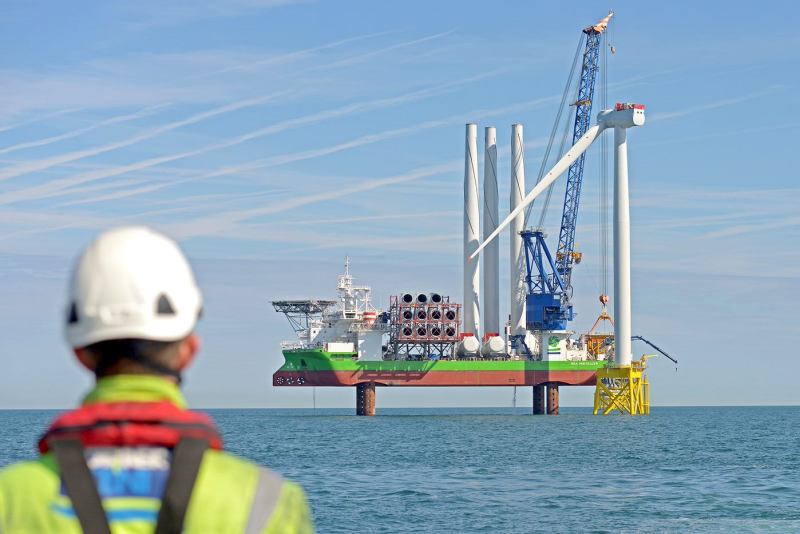
Avangrid’s owner, Spanish energy company subsidiary Iberdrola, planned the New England Wind 1 and 2 turbine arrays with a collective nameplate power rating of 2,600 megawatts. New England Wind 1 had been expected to be operational in 2029.
Now it’s the latest to fall before the administration’s campaign against virtually all forms of U.S. renewable energy development. News of the Department of Justice legal filing in the District of Columbia federal court was hailed by the New England Fishermen’s Stewardship Association.
“This is a great win for fishermen, New England’s coast, coastal communities, and endangered wildlife,” said Dustin Delano, NEFSA’s chief operating officer. “Unlike the Biden administration, which burdened the fishing industry with rushed wind lease projects, fishing bans, and overregulation, President Trump is prioritizing restoration and resilience.”
The administration’s pressure on wind developers “has made it clear that fishermen, not foreign wind companies, are the true stewards of the sea,” said Delano. “This decision ensures that coastal communities can safeguard marine life and natural resources for generations to come.”
Other project opponents too were hoping Trump officials would continue project shutdowns
and permit withdrawals, like the sudden stop-work order levied on Danish energy company Ørsted and its Revolution Wind project, already almost 80 percent complete off Rhode Island.
"The federal agencies are now recognizing what plaintiffs have long argued - that the project’s approvals are fatally flawed and violate numerous environmental statutes," said Thomas Stavola Jr., a lawyers for the Nantucket-based activist group ACK for Whales.
Earlier on Aug. 29, Department of Justice lawyers asked a federal court to pause Nantucket’s appeal of the federal government’s 2024 permitting of the Avangrid SouthCoast Wind 743-turbine project while the Trump administration reconsiders the permit.
Nantucket town officials said they told the court they support “the federal government’s motion as the town has sought reconsideration to reinforce key federal environmental and preservation laws designed to protect historic communities, coastal ecosystems, and Tribal Nations.
On March 27 Nantucket had appealed the permit granted by the Bureau of Ocean Energy during the Biden administration, alleging that “BOEM violated federal environmental and cultural protection laws in approving the project without requiring the developer to properly mitigate its harms.”
“Nantucket supports renewable energy and recognizes that proper permitting and policy making for wind energy development rests in the hands of the federal government,” said Nantucket Select Board member Brooke Mohr said in a Sept, 2 statement. “But the permitting for SouthCoast Wind failed to account for the significant harm the project will cause Nantucket, a federally designated National Historic Landmark. We welcome this opportunity for federal agencies to reevaluate their decision and correct course.”
“This case illustrates the law of unintended consequences. If agencies shortcut environmental safeguards to fast-track green energy projects, they create a dangerous precedent that allows fossil fuel developers to do the same,” said Greg Werkheiser, a lawyer with the firm Cultural Heritage Partners who represents the town.