Legislation introduced by a trio of U.S. senators would require NOAA Fisheries to more formally account for climate-driven shifts in fish stocks when setting commercial fishing quotas.
The bill, titled the Supporting Health Interstate Fisheries in Transition (SHIFT) Act, is sponsored by Richard Blumenthal, D-Connecticut, Chris Murphy, D-Connecticut, and Elizabeth Warren, D-Massachusetts. The legislation would direct the U.S. Secretary of Commerce to investigate when fish stock has shifted from one regional fishery management council’s jurisdiction into another’s and coordinate management between councils going forward, according to an article published by SeafoodSource.
“This legislation addresses outdated fishing requirements and ensures that climate change conditions like rising water temperatures that shift fish stocks are prioritized in fishery management plans. Our changing climate has seriously altered our oceans, forcing fishermen to travel far distances to earn a living or throw back valuable fish,” Senator Blumenthal said in a release.
Lawmakers argue that warming waters have pushed stocks north, complicating quota allocations and creating jurisdiction confusion for commercial fishermen trying to stay profitable. Senator Murphy said outdated federal laws are preventing fishermen from adapting to a rapidly changing climate, adding that the bill would help reduce costs and improve access to shifting fisheries.
The SHIFT Act has drawn endorsements from several conservation organizations, including the Natural Resources Defense Council, Ocean Conservancy, Oceana, and Pew Charitable Trusts, among others.
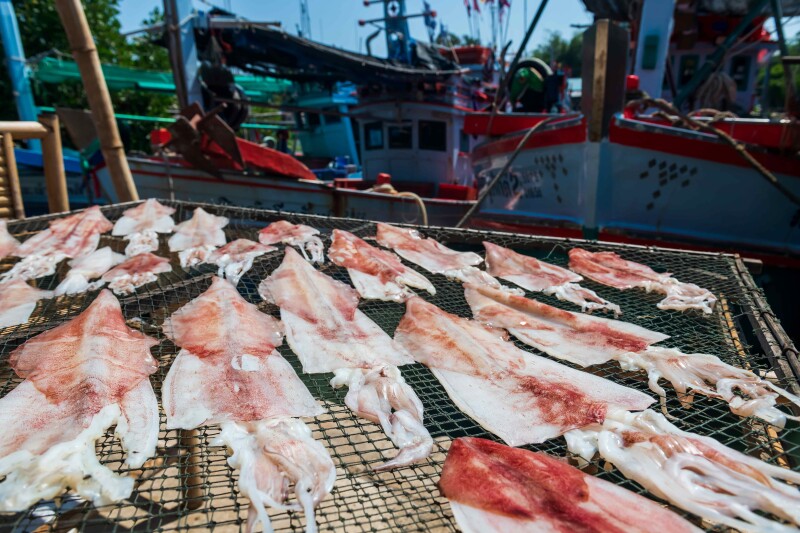
The bill comes amid broader debates over fishery management council representation. Earlier this year, Rhode Island lawmakers introduced the Rhode Island Fishermen’s Fairness Act, which would grant the state a seat on the Mid-Atlantic Fishery Management Council, despite leading Atlantic states in commercial squid landings.
Rhode Island officials have pushed for council representation for decades, citing fairness and economic impacts on the state’s commercial fishing industry.