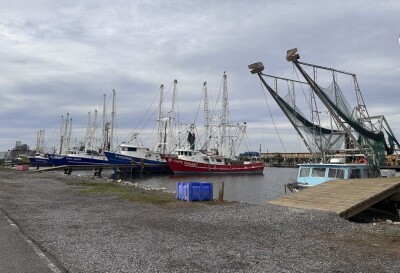


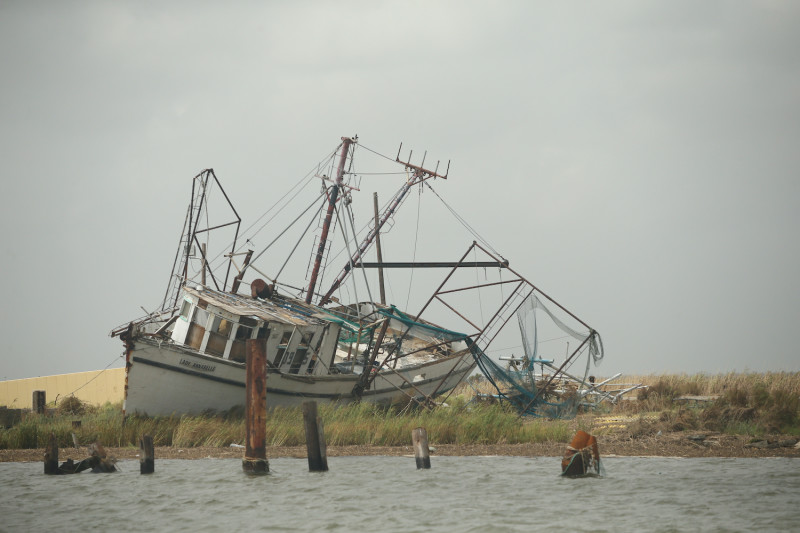
Bipartisan legislation would create a “disaster mitigation tax credit” for working waterfronts, allowing a 30 percent tax credit on up to $1 million when they invest in mitigation expenses to strengthen storm protection and recover after natural disasters.
Bill sponsors in the Senate and House of Representatives say the legislation defines working waterfront as “physical property (including support structures over water and other facilities) that provide access to navigable waters to persons engaged in commercial fishing, recreational fishing and boating businesses, boatbuilding, aquaculture, or other water-dependent business used for the purpose of supporting a water-dependent business.”
“The tax credit would be available to any small business that operates a working waterfront. For example, a coastal business owner can use this tax credit to invest in business-related infrastructure to protect property so that it does not suffer damage from rising water and storms.”
The primary sponsors include Sens. Angus King, I-Maine, and Bill Cassidy, R-La.), with Reps. Chellie Pingree, D-Maine, and Greg Murphy, R-N.C.
“Maine’s coastal communities are changing. From a warming climate to an evolving economy, the Gulf of Maine is facing challenges that will define our state’s success for generations to come,” King in a joint statement by the legislators. “The Working Waterfronts Disaster Mitigation Tax Credit Act would provide working waterfronts up and down the coast of Maine with the necessary financial resources to adapt to the rapidly shifting dynamics of natural disasters affecting economic and tourism operations. Thanks to Senator Cassidy for working with me to ensure our waterfront businesses have the necessary tools and resources to thrive for years to come.”
“Let’s empower coastal businesses to invest in flood and disaster prevention before a storm hits. Doing so protects our way of life, fishing and coastal industries, and the livelihoods of Louisiana families,” said Cassidy.
Weather disasters tied to climate shifts have hit both the Southeast hurricane belt and Northeast with increasing frequency.
In the Gulf of Maine, sea levels have risen 7.5 inches in the last hundred years, and that rate is expected to increase, with a rise of 1.5 feet in the next 26 years. “We need to overbuild,” Mark Zaccadelli, the owner of Ocean’s Edge Marine Construction in Bristol, Maine, told National Fisherman in February 2024 after back-to-back storms mauled the docks.
“From lobstering to boatbuilding, working waterfronts are the economic backbone of many coastal communities — but they’re vanishing under pressure from development and intensifying climate impacts,” said Pingree. “In Maine, we've seen firsthand how vulnerable our waterfront infrastructure is to extreme storms and flooding. At a time when coastal communities in Maine, Louisiana, North Carolina, and across the country are feeling the impacts of an ever-changing and increasingly volatile climate, working waterfronts and those they support need the tools to prepare for the next disaster, not just recover from the last.”
Congressman Murphy said his district covers more than 80 percent of North Carolina’s coastline, and “I understand how tide changes and storms can jeopardize local economies that conduct business along our shores. Ensuring the resiliency of waterfront commerce is essential to our coastal communities and this legislation enables businesses to mitigate the financial costs that come with working in these areas.”
Kimberly A. Hamilton, president of the Island Institute, which advocates for Maine coastal communities, called the tax credit proposal a “visionary piece of legislation. Maine’s working waterfront businesses will need all the tools they can get; this tax credit will be an important resource for small business owners, many of whom were affected by catastrophic January 2024 storms. This bill assures that small working waterfront businesses can take steps today that will help them to prepare for future impacts of climate change.”
King and the rest of the Maine delegation wrote to the Federal Emergency Management Agency in support of Gov. Janet Mills’ requests that they treat the 2024 winter storms multiple as a disaster event for purposes of damage assessment and federal reimbursement for cleanup.
King also introduced the bipartisan Providing Resources for Emergency Preparedness and Resilient Enterprises (PREPARE) Act to reauthorize the Small Business Administration’s Pre-Disaster Mitigation Pilot Program, which would give small businesses the opportunity to take out low-interest loans for the purpose of proactively implementing mitigation measures that protect their property from future disaster-related damage.