

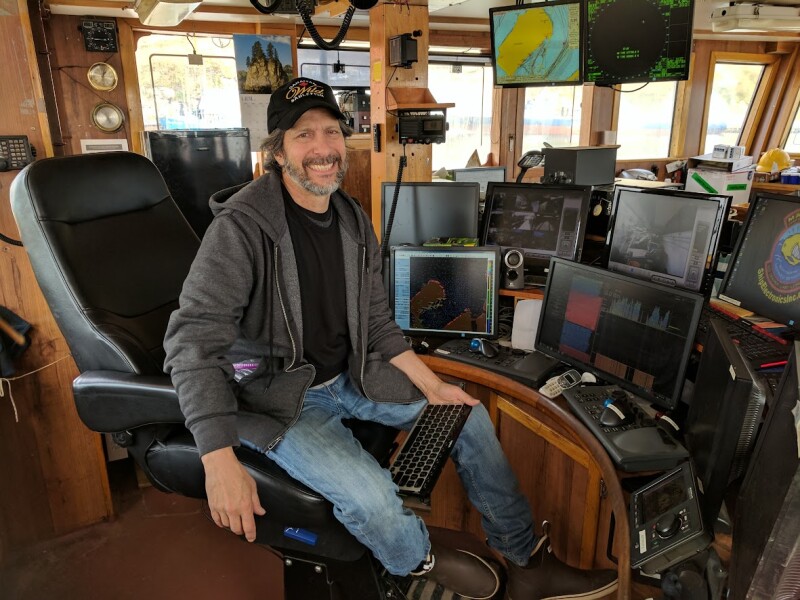
Rob Terry, fisheries technology developer and founder of SeafoodAI, believes the future of seafood certification lies in digital solutions that verify responsible harvest and reward the people doing the work.
“The MSC model is outdated,” says Terry, referring to the Marine Stewardship Council’s certification program. “It’s expensive, slow, and puts the burden on fishermen. It leaves major data gaps and fails to provide the insights needed to proactively manage fisheries.”
He points out that in most cases, the final seller captures the premium for certified sustainable seafood, while fishermen and processors are left shouldering the costs just to access the market. “For many small-scale producers, certification is more of a barrier than a benefit.”
Terry’s system integrates everything from smartphone apps to high-tech biometric scanners and AI to track seafood through the supply chain, verify sustainability, and distribute a cut of the premiums to every contributor, from boat to plate.
“Fishermen making the initial sale and submitting the data needed to manage a sustainable fishery would earn credits – and benefit from fisheries staying open and profitable,” says Terry. “Data is gold. Instead of submitting it at a cost, fishermen would get paid for it.”
As Terry explains, with his system, a product would receive an electronic label at the point of sale that would include a biometric ID and carry all the associated data supplied by the fisherman making the sale.
“That could be everything from where and when the product was caught, to weather and oceanographic information,” he says. “Everyone along the supply chain who contributes to the integrity of that product gets a credit, and at the final sale, a portion of the premium would go into a fund that will pay out to all of them. It’s a form of cryptocurrency backed by something real – fish.”
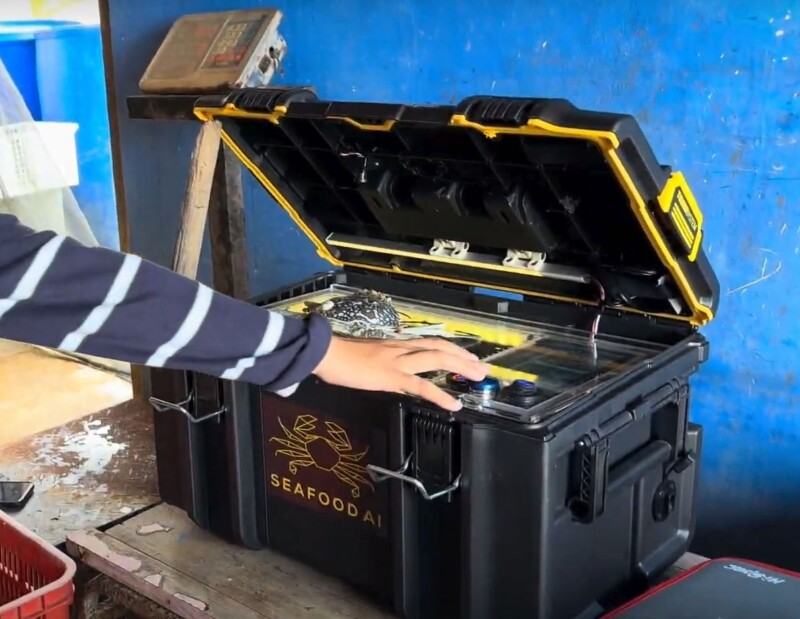
Data collection could be as simple as scanning seafood with a GPS-enabled smartphone app. “That’s the low-cost entry point,” says Terry. “Larger vessels could use more advanced tools, like our seafood scanners.”
In Terry’s vision, the primary users of the collected data will be fisheries managers, who can use real-time, verifiable data to make informed decisions that would help keep fisheries open, sustainable, and well-managed. Consumers will benefit from and pay for information that assures them they are eating responsibly harvested seafood.
In terms of management, Terry points to Alaska. “Alaska has some of the best-managed fisheries in the world and is already moving away from MSC,” he says. “But even there, the lack of a digital backbone to connect the dots is creating blind spots. Fisheries like crab are being shut down unexpectedly, sometimes without complete data.”
“On the marketing side a good example is Gulf crab,” says Terry. “It’s often marketed as Chesapeake crab, and that means Gulf producers are losing the value of their brand.”
Terry spent some time on the Gulf coast in the spring of 2025, meeting with the Mississippi Department of Fisheries and the Gulf States Marine Fisheries Commission. “There was interest,” he says. “But they said this has to start with the fishermen. It has to be a bottom-up initiative, not top-down.”
While the system could add 10 percent or more to the overall value of the seafood industry, Terry is still seeking funding and early adopters. But the vision is clear: a smarter, fairer, more connected seafood economy—one where the people who sustain the oceans finally share in the value they help create.