

.jpg.medium.800x800.jpg)
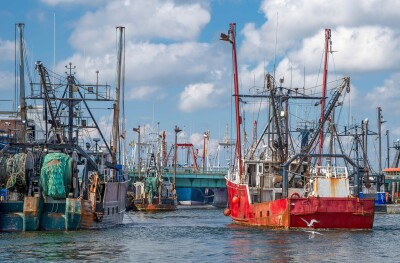
A large mesh panel, known as a "killer whale fence," in Bering Sea deep-water flatfish trawl gear is proving successful at preventing killer whale entanglement in the lucrative commercial flounder and sole fisheries.
The modified gear, first tested fleetwide in 2024, resulted in a single entanglement for the whole summer season. The fleet's 2025 season ended without any mortalities, according to an Oct. 28 report by researchers at the University of Alaska Fairbanks.
The net modification was developed through a collaborative effort between UAF researcher Hannah Myers and the Alaska Seafood Cooperative, which coordinates a fleet targeting flounder and sole. For 2023, the Bering Sea commercial flounder and sole fisheries were valued at over $45 million combined. Key species in this fishery complex include yellowfin sole and flathead sole, along with other flatfish managed by the North Pacific Fishery Management Council.
Groundfish captains working in the summer fishery first began noticing significantly more killer whale activity around their nets starting about 2020. Then, in 2023, there was a sudden rise in the entanglement of orcas in their nets.
The cooperative, which currently manages 14 catcher-processor vessels in the fishery, reached out to researchers at the UAF College of Fisheries and Ocean Sciences in 2022 for help in understanding whale behavior around their vessels.
While it was unclear why the increase in interactions happened suddenly, it became apparent that killer whale pods had identified deep-water flatfish trawl nets as a good place to grab fresh seafood in the Bering Sea. Audio sensors positioned on the fleet’s nets confirmed that killer whales had a heavy presence around the trawl nets, which fish along the ocean floor 400 meters deep.
"Our theory is they're probably feeding around the net a lot more than they used to," said Myers, an assistant professor of fisheries at the UAF College of Fisheries and Ocean Sciences. "They're taking advantage of this incredibly easy food resource."
During the summer of 2023, there were six killer whale deaths, plus a serious whale injury. That prompted one captain in the fleet to work with a gear manufacturer to develop a modification to deter whales from entering the net.
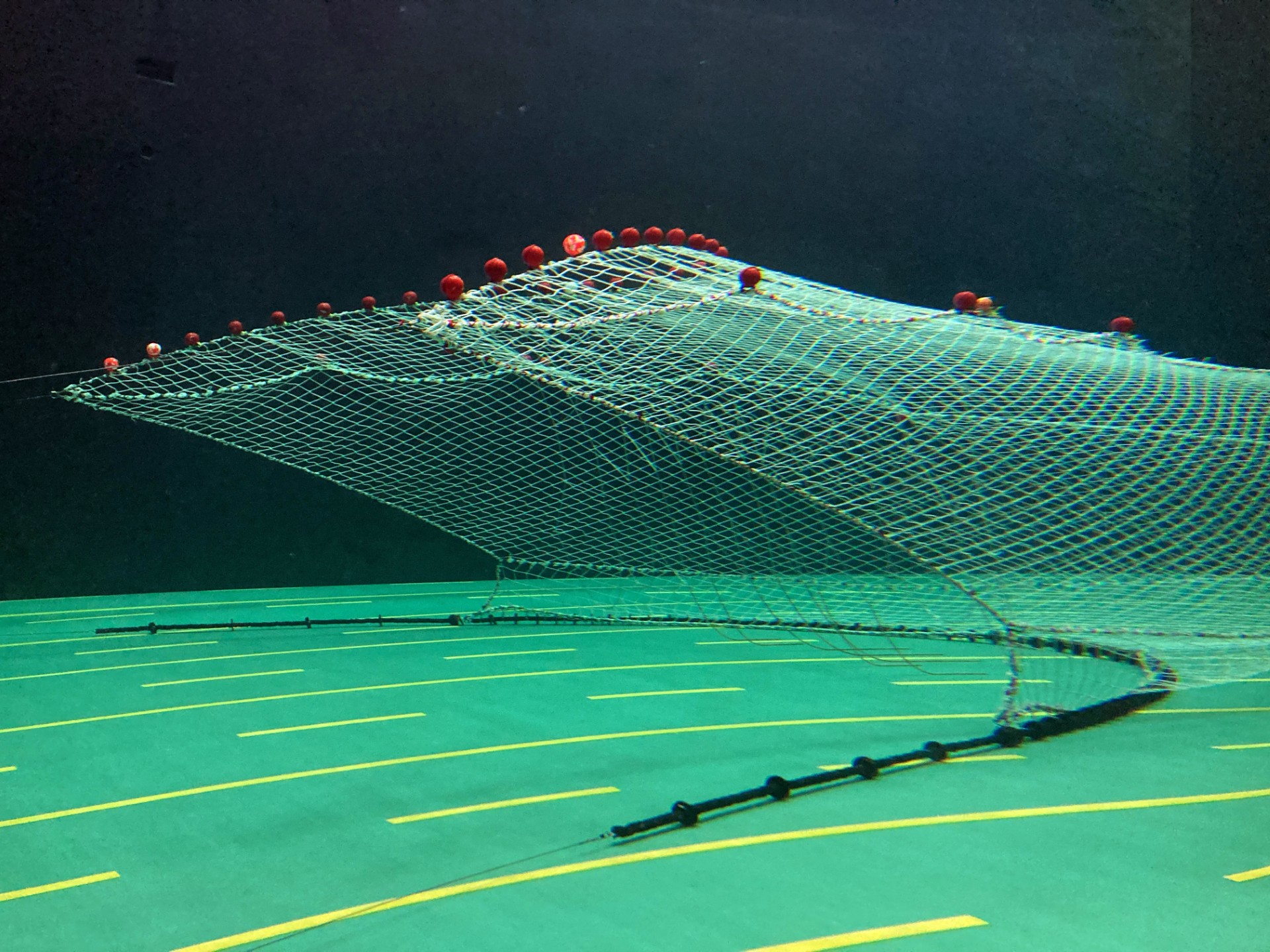
While traditional "excluder devices' allow nontarget species to escape, this modification was designed to prevent orcas from entering the net to begin with by placing a large mesh panel at the trawl mouth.
After a successful but limited trial run in 2023, the modified gear was refined for the 2024 and 2025 seasons, with the new designs tested at a massive flume tank at Memorial University in Newfoundland, Canada. Myers provided expertise in killer whale behavior and biology during the process, while industry personnel ensured the design was practical for their operations.
Myers said they are encouraged by what they see so far. "We think it's working because we're not eliminating access to food around the net," she said. "We just want to keep them from entering the net, which is the riskiest behavior."
Sarah Webster, science projects director for the Alaska Seafood Cooperative, said the project has been a great example of a productive partnership between scientists and fishermen.
Collaboration with Myers was essential to the success of addressing this challenge, she said. "Her insights into how killer whales were behaving around our vessels really helped us understand what was happening and to fine-tune the gear modification," she said.
The multiyear project was funded by the Alaska Seafood Cooperative, the Pollock Conservation Cooperative Research Center, the Protected Resources Division in the Alaska regional office of the National Oceanic and Atmospheric Administration's National Marine Fisheries Service, and the NOAA Fisheries Bycatch Reduction Engineering Program.
.png.small.400x400.png)