

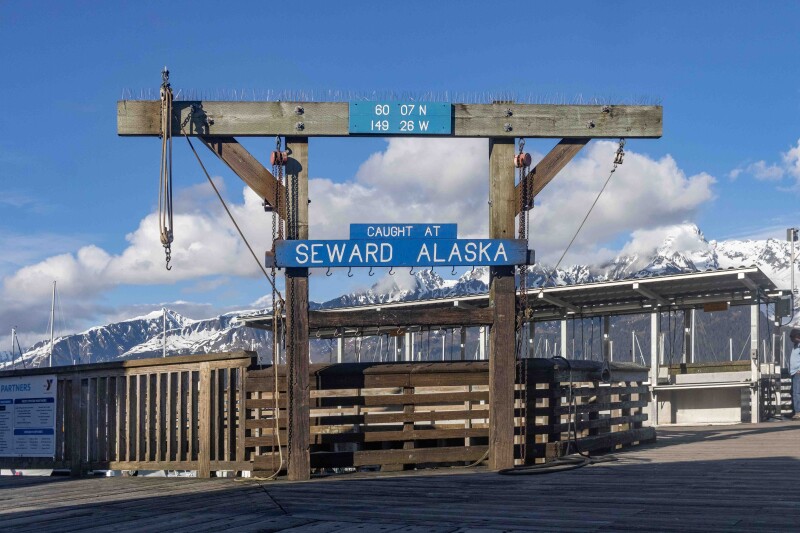
Tables at Simon & Seafort's Saloon and Grill in Anchorage, Alaska, filled up quickly for lunch on Wednesday, Feb. 18, the first day of Lent, with demand high for halibut cheeks and shrimp scampi entrees.
"We were packed," said Renee Rangel, hostess at the upscale downtown restaurant, where windows look out onto the waters of Cook Inlet and the mountains beyond.
The restaurant is just a short walk from Holy Family Cathedral, also packed this Ash Wednesday with clergy and parishioners, many of them steady seafood customers. "We always have clam chowder, fish and chips, crab stuffed halibut, halibut cheeks, almond crusted sea scallops, golden king crab legs, coconut shrimp, steamed clams and muscles, and oven roasted blue crab with artichoke tips," Rangel said.
While many diners make advance reservations, the size of the walk-in crowd on Ash Wednesday surprised her, she said.
At Bob Evans restaurants in 18 other states, the Lenten menu for 2026 is focused on wild-caught Alaska cod and shrimp, available daily for dine-in, carryout, or delivery. Bob Evans' Lent specials include a fish fry platter, a fish fry sandwich with tartar sauce, and a fried shrimp dinner, with options for kids' fish fry meals. The fried shrimp entree includes eight pieces of golden-brown shrimp served with cocktail sauce and sides.
Domestic seafood shops, ranging from Pike Place Fish Market in Seattle to 10th & M Seafoods in Anchorage, said retail sales remained steady, not rising in advance of Lent, but Craig Morris, chief executive officer of the Association of Genuine Alaska Pollock Producers, said the domestic Alaska pollock industry "is experiencing very high domestic demand for our fillet products this Lent season and prices are rising as a result.
"Lent's importance to the Alaska pollock fishery can't be overstated," Morris said. "In recent years, as Alaska pollock has consolidated its dominance as the fish of choice by quick service restaurant chains, combined with the current complete ownership of the domestic market by U.S.-caught pollock, the season now accounts for fully 47 percent of our domestic sales."
The North Pacific Fishery Management Council put the 2026 total allowable catch for Bering Sea pollock at 1.375 million metric tons, the same as for 2025. The catch limit for the Aleutian Islands is another 19,000 metric tons.
According to LP Information, a leading U.S.-based market research firm, the global wild Alaska pollock market size is predicted to continue growing.
210 Analytics in Lakewood, Fla., noted that domestic seafood demand has been pressured by high inflation, but said sales of frozen seafood were up 4.5 percent, thanks to price inflation, even as volume declined. Fresh seafood sales were up 3.7 percent due to prices, while actual pounds remained flat.