

A study of bycatch in the Louisiana menhaden purse seine fishery found that overall non-target fish species comprised 3.59 percent by weight – below the state’s restriction for no more than 5 percent, according to a July 8 report to the Louisiana Wildlife and Fisheries Commission.
Capture of red drum as menhaden bycatch was calculated to account for 3.4 percent of red drum mortality in the state. Menhaden industry advocates welcomed the findings at the commission’s July meeting, saying the detailed data showed 30,142 redfish were taken by the fishery during 2024, “while recreational fishing is responsible for 96.6 percent by number of fish.”
“The study reaffirms what decades of science have consistently shown: Louisiana’s Gulf menhaden fishery is sustainable, selective, and not a threat to red drum populations,” the Menhaden Fisheries Coalition said in a statement after the report’s release.
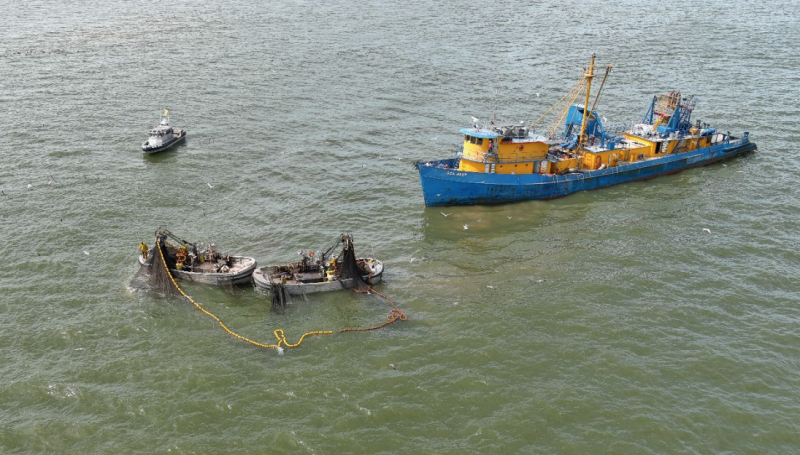
The study was funded with a $1 million appropriation from the Louisiana state Legislature, and administered by the Gulf States Marine Fisheries Commission. Conducted by researchers with LGL Ecological Research Associates Inc. on board menhaden vessels for seven months during the 2024 fishing season, the study “represents the most detailed assessment of bycatch in the history of the Gulf menhaden fishery,” according to the menhaden coalition.
Highly valued in Louisiana’s recreational fishery, red drum and its exposure to bycatch in commercial fisheries is a consistent drumbeat levied at the menhaden purse seine fishery by the Coastal Conservation Association and other groups.
“This study should put to rest the misinformation that’s too often circulated about this fishery,” said Robert Vanasse, a spokesperson for the Menhaden Fisheries Coalition in a statement after the report was presented to Louisiana officials. “These findings must inform any future regulatory decisions. This is a model of how transparency, swift industry action, and investment in better gear deliver real conservation gains without compromising coastal jobs or economies.”
In summarizing its findings, LGL Ecological Research Associates noted that “released bycatch was dominated by larger-bodied species such as red drumblack drum, gafftopsail catfish, and blacktip sharks.”
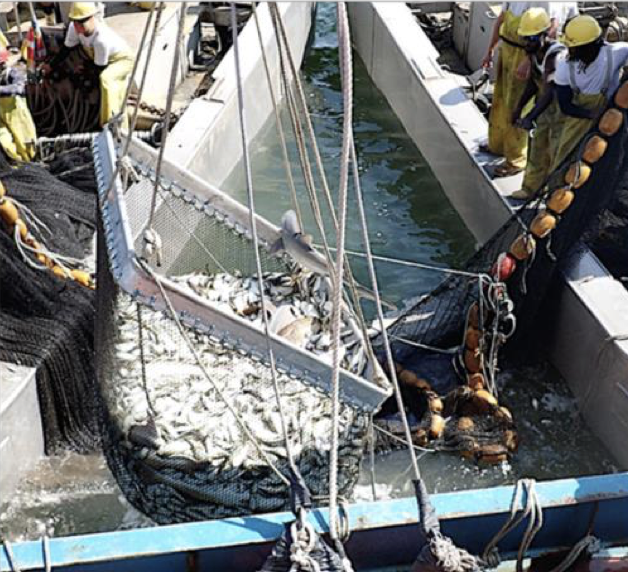
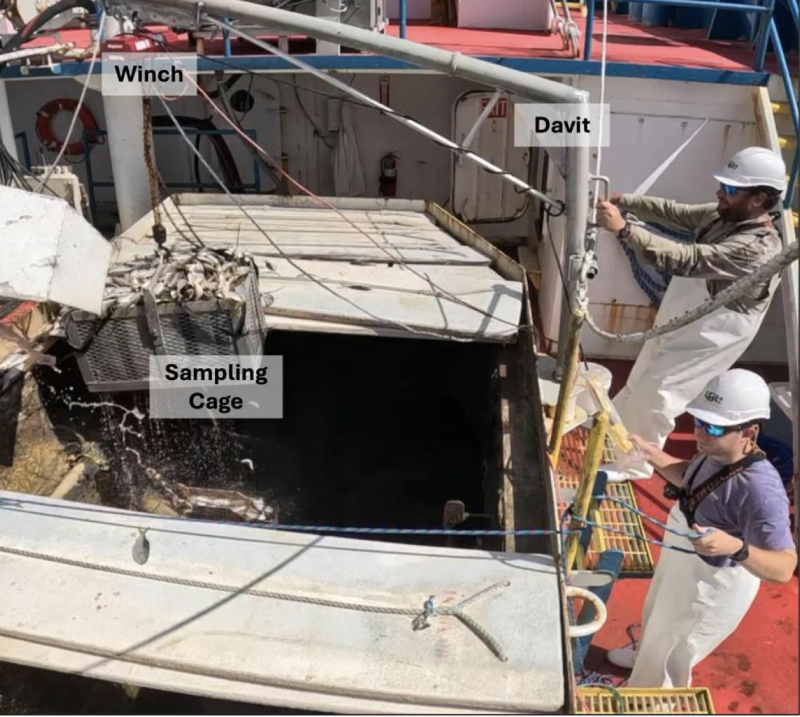
The study points toward improvements in bycatch reduction devices such as hose-end cages, a movement that the menhaden coalition says its fishermen are now implementing: “Hose-end cage design was found to significantly improve survivability. The most effective design was standardized across the entire fleet for the 2025 season.”
“Bycatch studies are generally conducted within the fishery once every decade, however, many previous studies have left much to be desired,” according to the LGL Ecological Research report. “A major challenge has been designing a study that produces complete and scientifically robust estimates of bycatch (all components) without overly impinging on fishing operations. This study represents a major breakthrough in that endeavour.”
A key finding of the study showed that retaining red drum and similar species in the net – then releasing them after pumping.
“Retaining red drum and similar species in the net – then releasing them after pumping – significantly reduces mortality. In response, the industry promptly adopted the most effective hose-end cage design across the entire fleet prior to the 2025 fishing season. This fleetwide standardization is already driving further reductions in the already-low red drum mortality observed during the study.”
The study estimated 44,593 red drum were released via rollover or chute, with 84 percent surviving after rollover and only 2 percent surviving chute release. Factoring in an estimated 8,354 red drum from the retained bycatch, the total red drum mortality across the entire fishery in 2024 was 30,142 fish, according to the report.
“This study confirmed much of what we’ve seen firsthand – high survival rates when fish remain in the net and real gains from gear improvements,” said Ben Landry, a spokesman for Ocean Harvesters based in Abbeville, La., operators of purse seine vessels. “We didn’t wait to act. As soon as the science came in, we upgraded our entire fleet’s gear to reflect the findings. It’s another step forward in our long-standing commitment to responsible, sustainable fishing.”
“They were retained primarily due to their small size, not gear inefficiency,” and are short-lived forage fish with naturally high natural mortality, according to the menhaden coalition.