

U.S. senators from Gulf Coast States are urging federal fisheries officials to take stronger action to prevent illegally harvested red snapper from Mexican fishing operations from entering American seafood markets, warning that the activity is undermining U.S. fishermen, fisheries management, and national security.
In a Jan. 16 letter to Neil Jacobs, Under Secretary of Commerce for Oceans and Atmosphere and administrator of NOAA, the lawmakers raised concerns about ongoing illegal, unreported, and unregulated (IUU) fishing by Mexican vessels operating in U.S. waters in the Gulf of America. The letter was led by Senator John Kennedy, R-Louisiana, joined by Senator Bill Cassidy, R-Louisiana, and eight colleagues from states bordering the Gulf.
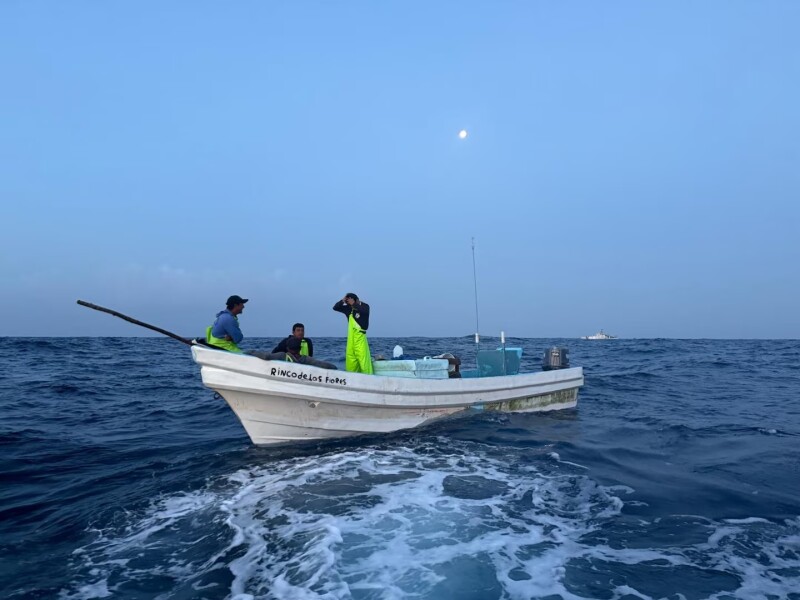
“We write to express concern regarding the continued illegal, unreported, and unregulated (IUU) fishing for red snapper by Mexican vessels operating in U.S. waters in the Gulf of America,” the senators began their letter to Jacobs, adding that while the U.S. Coast Guard has carried out repeated interdictions and seizures, “the continued presence of Mexican lanchas in U.S. waters suggests that enforcement at sea alone is insufficient.”
The lawmakers are calling on NOAA to use its import-restriction authorities to prevent illegally caught red snapper from entering domestic commerce. They urged the agency to apply those authorities “in a targeted and proportionate manner that supports law-abiding U.S. fisheries.”
According to the letter, despite fewer vessel interdictions in 2025 compared to the previous year, the volume of illegally harvested red snapper seized by the Coast Guard increased by 28 percent, reaching 15,859 pounds. The senators said this indicates that fewer vessels are being intercepted, but those that are stopped are carrying larger, high-value hauls intended for U.S. markets.
They also cited a Department of Homeland Security Office of Inspector General report finding that the Coast Guard interdicts only one in five detected foreign fishing vessels, leaving nearly 80 percent of illegal incursions “unchallenged and free to enter domestic commerce through opaque supply chains.”
The lawmakers emphasized that the Gulf of America red snapper fishery is a highly regulated domestic fishery shared between recreational and commercial harvesters, with allocation decisions reflecting the fishery’s significant economic value. “Mexican IUU-caught fish steals that value from both sets of American stakeholders,” they wrote.
The letter also raised concerns about criminal involvement, citing U.S. Department of Treasury reports indicating that Mexican lanchas involved in illegal red snapper fishing are increasingly linked to the Gulf Cartel. The continues safe of illegally harvested red snapper in U.S. markets, the senators wrote, provides a significant source of financing for the cartel and undermines both fisheries management and national security.
The senators pointed to the High Seas Driftnet Fisheries Moratorium Protection Act as a statutory tool NOAA could use to restrict imports when foreign fishing activities undermine conservation and enforcement efforts. They noted that these authorities have never been exercised, despite growing evidence that illegally harvested red snapper continues to enter U.S. commerce.
“We would appreciate NOAA Fisheries’ action in more aggressively applying its existing authorities to ensure that illegally harvested red snapper is not sold in the United States.”
 (1).jpg.small.400x400.jpg)