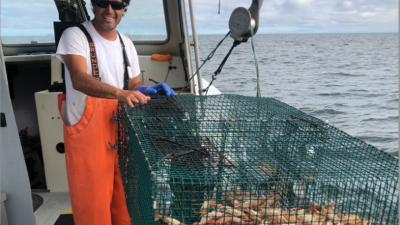
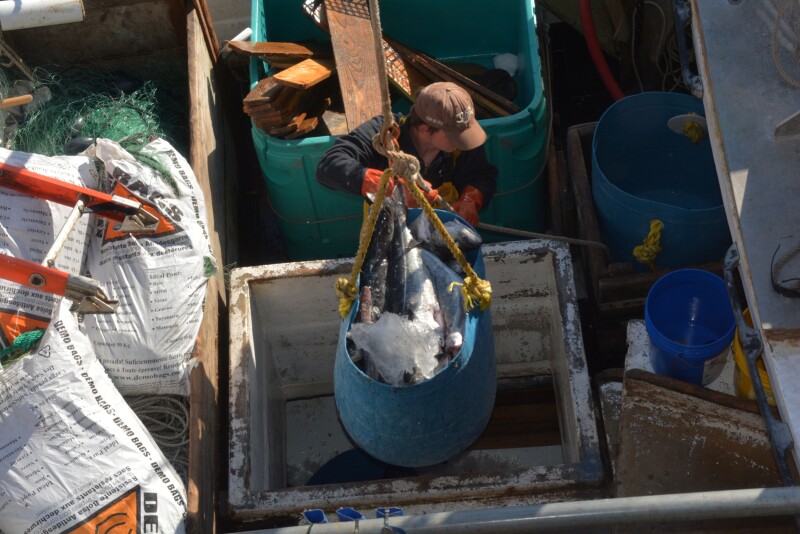
After weeks of frustration from New England groundfish sector managers and stop-fishing notices for some vessels, Framework 69 has finally been approved and implemented by federal regulators.
According to a March 5 notice from NOAA Fisheries, the agency approved Framework Adjustment 69 to the Northeast Multispecies Fishery Management Plan and announced final catch limits for fishing year 2025. The action officially went into effect March 9.
Framework 69 establishes annual catch limits and management measures for multiple groundfish stocks, including a significant increase to the Gulf of Maine haddock quota– an increase fishermen have been waiting on for months.
The approval comes after mounting pressure from industry leaders who argued the delay was forcing boats to tie up during one of the most productive fishing periods of the year. Just days before NOAA issues its final notice, six New England groundfish sector managers formally petitioned the National Marine Fisheries Service for relief, calling the delay in approving the framework “frankly ridiculous.”
At the time, several sectors had already begun issuing stop-fishing notices after vessels exhausted their Gulf of Maine haddock allocations under the interim limits.
“In my sector, I have unfortunately, over the weekend, had to issue six stop fishing notices,” Soule shared in a recent interview with National Fisherman in late February.
Those orders meant vessels were no longer allowed to fish in the Gulf of Maine after exceeding their haddock allocation. While boats could theoretically shift efforts to Georges Bank or southern New England, Soule noted that option is not practical for many smaller Maine-based vessels.
“I happen to know I’m not the only sector that’s in this situation,” he said.
Mary Hudson, manager of the Maine Coast Community Sector, said the situation had already forced many fishermen to scale back or halt operations.
“The impact of this on their business is dramatic; this is the time of year when haddock catch is at its highest, and our boats are missing out on a vital economic opportunity,” Hudson told National Fisherman.
Framework 69 was originally approved by the New England Fishery Management Council in Dec. 2024 and submitted to NOAA Fisheries in March 2025. The action increases the Gulf of Maine haddock quota by roughly 50 percent over the previous fishing year.
But the final approval remained stalled in Washington, D.C. for nearly a year, leaving sectors operating under an emergency action implemented May 1, 2025, that reduced allocations for many stocks to roughly 75 percent of prior levels.
Sector managers warned that the delay had real consequences on the water.
“This year, knowing the Gulf of Maine haddock quota was scheduled to increase, fishermen were comfortable with maintaining a robust steady catch rate,” the managers wrote in their Feb. 27 letter to Michael Pentony, regional administrator for NOAA’s Greater Atlantic Regional Fisheries Office.
“But Framework 69 languishes in Washington DC. The bureaucratic ‘why’ doesn’t matter anymore.”
David Leveille, manager of the Northeast Fishery Sectors II and VI, said the delay forced multiple sectors to stop vessels from fishing in the Gulf of Maine after exhausting their available quota.
“The haddock issue highlights a trend in government that we have seen for some time,” Leveille said. “This trend is the inability of governments to approve and complete, in a timely manner, their own rules based on their own science.
Even with the framework now implemented, the timing remains a concern for the fleet.
The 2025 groundfish fishing year ends April 30, leaving less than two months for fishermen to access the increased quota that many had expected to be available much earlier in the season.
Historically, Gulf of Maine haddock are most abundant through March, with catch rates typically declining as April begins.
For fishermen who were already forced to tie up earlier this winter, the long-awaited approval may come too late to fully salvage the spring haddock run.
Meanwhile, additional regulatory actions the industry is watching– Framework 72 and Amendment 25– remain under federal review and have not yet been approved or implemented.