




The Center for Biological Diversity, the Natural Resources Defense Council, and the Animal Welfare Institute have entered the fray over the National Oceanic and Atmospheric Administration (NOAA) Fisheries’ imminent ban on seafood from many nations. In early September, NOAA Fisheries published a list of countries that would no longer be allowed to export certain seafood products to the USA because those countries did not have marine mammal protection laws comparable to the laws under which US fishermen operate.
The National Fisheries Institute and a group of crab importers have filed a lawsuit against NOAA Fisheries and are seeking a preliminary injunction to prevent the ban from taking effect until the case is resolved. In response, the NGO’s that initially forced NOAA to implement a law that has been on the books for over 50 years are seeking intervenor status on the side of the defendant, NOAA, before a decision is made on the injunction.
"Back when Congress passed this law in 1972, they knew they were asking a lot from US fishermen, and that protecting marine mammals would come at a cost,” says Sarah Uhlemann, a lawyer representing the NGOs. As Uhlemann points out, that is why the Marine Mammal Protection Act (MMPA), specifically 16 U.S.C. § 1371(a)(2), requires that the United States ban the import of commercial fish or fish products that were caught using fishing technology that results in marine mammal deaths or serious injuries in excess of U.S. standards.
"We have been working on this for 20 years,” says Uhlemann. She notes that the NFI lawsuit is supported by crab importers. “They are hoping to continue to import crab, primarily from Southeast Asian countries that absolutely are killing marine mammals,” she says. “These fisheries are using gillnets to fish for crabs in waters where there are dolphins.”
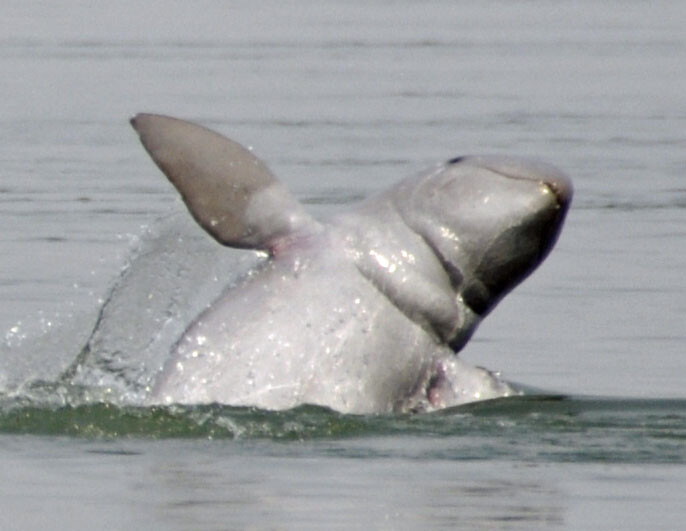
The NGOs want to protect all marine mammals but are particularly concerned with the welfare of the Irrawaddy dolphins in Indonesia. “They are extremely endangered,” says Uhlemann.
Uhlemann acknowledges that U.S. fishermen operating under increasingly strict rules deserve equality in the marketplace. The conservation groups that compelled NOAA Fisheries to enforce a law intended to protect marine mammals, as well as domestic fishermen facing unfair trade, are now arguing that “the Plaintiffs’ [NFI and others] requested preliminary injunction would bar Federal Defendants [NOAA] from prohibiting imports from those fisheries on January 1, in contravention of the terms of the settlement with Conservation Groups.”
Uhlemann is hopeful that the NGOs she represents will be granted intervenor status and prevent the preliminary injunction that would allow Southeast Asian crab imports to continue until the lawsuit is settled. “It’s hard to say what will happen,” she says. “But I think we have a strong argument. And I can’t speak for the fishermen, but if they are being asked to protect marine mammals at a cost, other countries exporting to the US should be held to the same standards.”

.png.small.400x400.png)
