

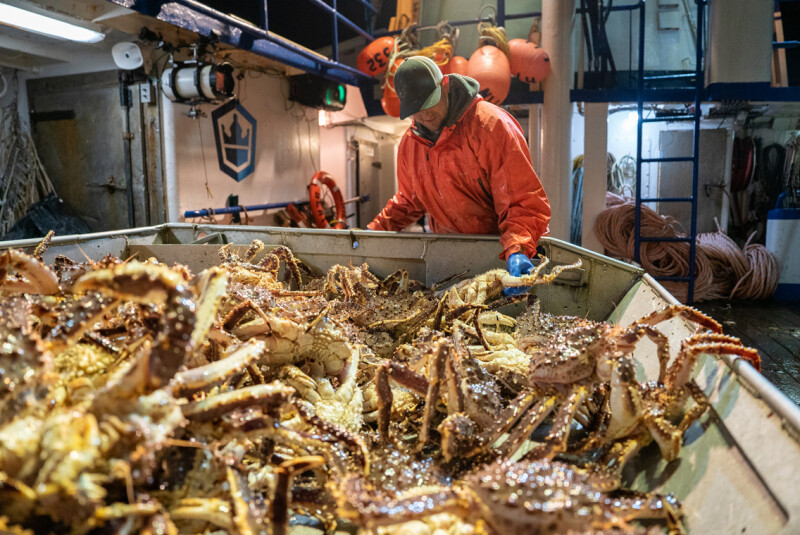
The red king crab fishery in Alaska has faced historic closures in recent years, leaving many harvesters sidelined and processors searching for opportunities elsewhere to meet demand. Discovery Channel’s Deadliest Catch returns for its 21st season on Friday, August 1. This season’s storylines reflect real and escalating tensions in the Bering Sea crab industry.
The fleet will head west toward Adak Island, a former military base located more than 1,000 miles from Dutch Harbor, in search of a rumored resurgence of red king crab. While the show highlights the danger and drama of the chase, the underlying theme focuses on economic pressures and biological uncertainties.
Alaska’s red king crab fishery in Bristol Bay, once one of the most valuable in the region, has been closed since the 2021–2022 season due to low stock assessments(https://www.nationalfisherman.com/red-king-crab-fishery-to-reopen-despite-uncertainty). According to the Alaska Department of Fish and Game (ADF&G), surveys indicate that the biomass of mature female crabs in Bristol Bay remains below the regulatory threshold required for reopening. Limited harvesting opportunities are available in the Western Aleutians near Adak, though landings are modest and access is tightly controlled.
Fishing around Adak presents unique logistical challenges. The island’s remote location, combined with limited infrastructure and long travel times, has historically made it difficult for the crab fleet and processors to establish a sustained presence in the area. Efforts to revive Adak’s processing sector have encountered obstacles stemming from market constraints and inconsistent harvest volumes.
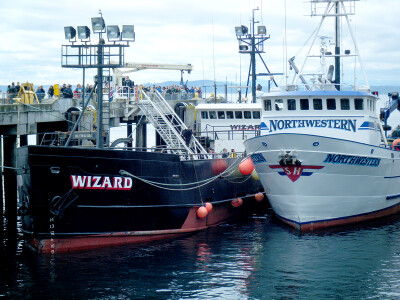
The show features vessels such as the Northwestern, Time Bandit, Wizard, Titan Explorer, Confidence, and Aleutian Lady, operated by a mix of veteran captains and crews who have endured changing regulations, declining quotas, and rising costs.
While the show’s producers frame the journey to Adak as a gold rush, the reality is more complicated. Adak’s limited red king crab harvest has been managed through exploratory efforts and special commissioner permits rather than operating as a full-scale fishery.
For many in the fleet, the pressure to find viable crab grounds is significant. Permit holders have limited access to alternatives, and the consolidation of individual fishing quota ownership over the years has left smaller operators with fewer options. While this new season may deliver the usual television drama, the stakes behind the scenes are very real, reflecting an industry grappling with closures, climate uncertainties, and limited paths forward.