

Worn-out commercial fishing nets and lines from America's Pacific Northwest are getting a new life protecting soldiers and civilians in Ukraine from exploding Russian drones.
These nets are hung over doorways and windows to entangle the drones before they can hit a target and explode.
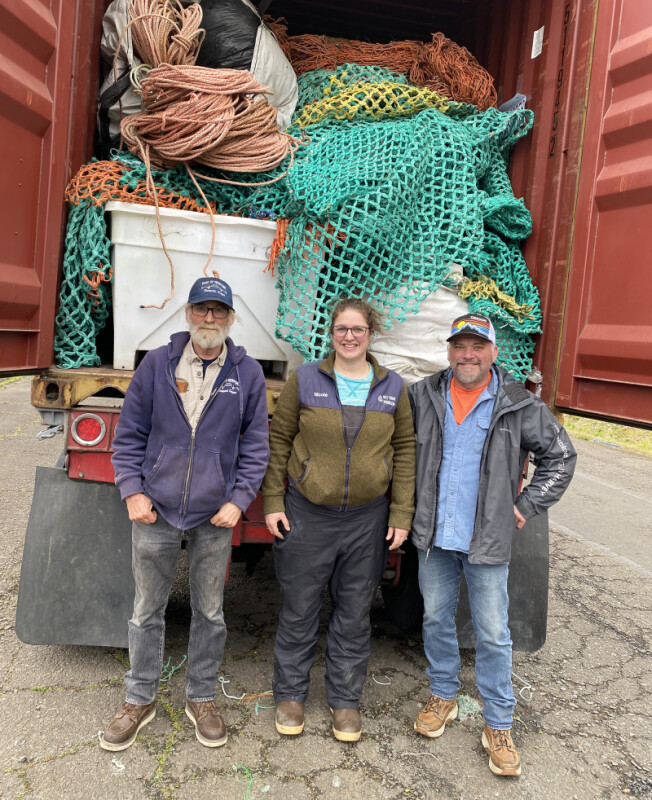
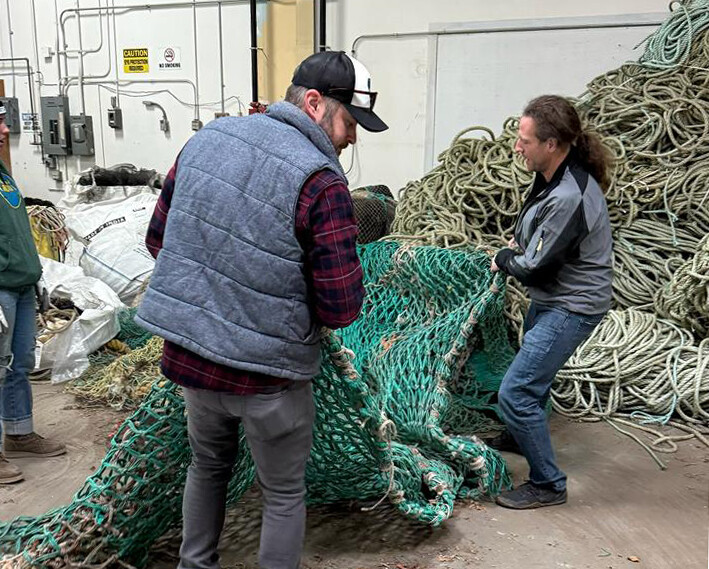
On Wednesday, April 22, Nicole Baker of Net Your Problem, an Alaska-based maritime recycling firm, was in Newport, Ore., overseeing the loading of 29,000 pounds of worn-out trawl, gill, and seine nets and crab line from harvesters into a 40-foot container headed for Ukraine. The load included 19 trawl nets, four bags of seine web, one bag of gillnet web, and three bags of line.
Net Your Problem got involved last year when contacted by a Boston-based venture capital and private equity firm looking for commercial fishing nets to send to Ukraine. Nets from Net Your Problem became part of the firm's first container load of nets to Ukraine.
"I could never have imagined this is what would happen to these nets, and I can't think of a more fulfilling way to use them," Baker said. "It's literally saving people's lives.
"My sister is an ICU cardiac nurse, and she saves people's lives. Now I do too," she said.
The venture capital firm, Ground Squirrel Ventures, is a network of angel and seed stage investors founded by Eric Klose in 2018.
Klose said he learned on an earlier visit to Ukraine that discarded fish nets could save lives in the trenches of war zones and in buildings in besieged cities.
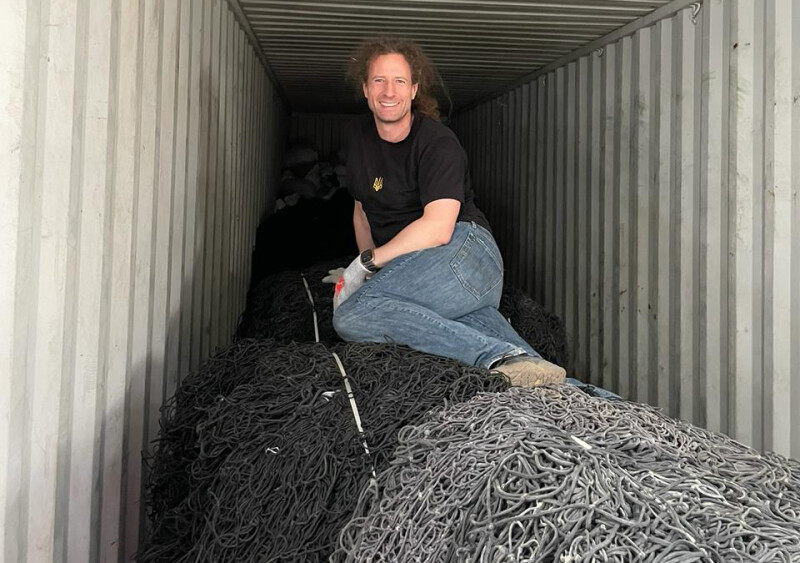
Klose hardly considers himself a hero, though. "I'm letting people do a lot and also keeping fishing nets out of the ocean," he said. "I love that this also is saving lives and spreading freedom and democracy. I am just helping to connect people, and I am able to fund the shipping cost," he said.
Klose, who earned a degree in public administration from the Harvard Kennedy School of Government, has friends in the Boston area of Ukrainian heritage.
On a trip to Ukraine with a group of graduate students, he sometimes slept in basement bomb shelters in Kyiv and also saw extensive war damage in Kharkiv.
He spoke with aid groups who were bringing clothing, medical supplies, and other needed items to Ukraine and asked what else was needed. "Fish nets," they told him. They put him in touch with another volunteer in Vancouver, Canada, who was sending fish nets, medical supplies, and more.
In December 2025, Ground Squirrel Ventures assembled its first container load of fish nets, including those from Net Your Problem, and shipped them to Ukraine. Volunteers there put the word out that more nets were available, and soldiers began collecting them to cover doors and windows to entangle Russian drones.
Other discarded nets, once used in crop farming and commercial fisheries across Europe, are also being used to cover roadways in Ukraine. CNN reported in January on Ukrainian soldiers raising nets donated by French fishermen and volunteer groups in Brittany to cover roads and protect vehicles traveling to and from supply lines. The nets are also used to protect hospitals, generators, and shopping areas with canopies of netting.
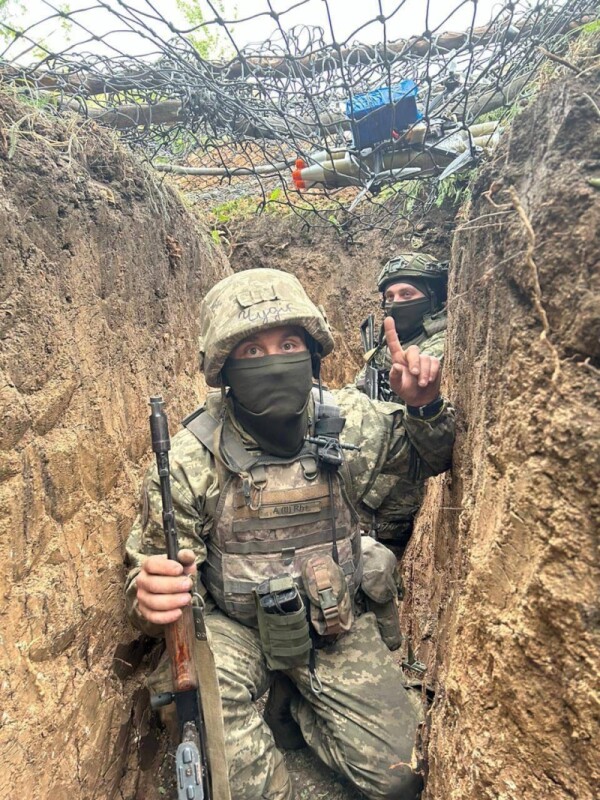
Oleksandr Tolokonnikov, deputy head of the Kherson Military Administration, told CNN in November that the Russians are launching an average of about 2,500 unmanned aerial vehicles every week. CNN also reported that Life Guardians, run by Klaas Pot in the Netherlands, has sent over 8,000 tons of nets to Ukraine. Additional nets were donated by Norwegian Volunteer Air and Pickups For Peace in the United Kingdom.
Ground Squirrel Ventures' main focus is on impact-driven investments in climate mitigation and frontier markets. The firm manages a portfolio of 30 companies and operates with a team that includes Brian Shaw as portfolio and operations manager.
As of April 21, Shaw said Ground Squirrel Ventures was working on shipping its second container of about 10 tons of retired commercial fishing nets to Ukraine, with two more container loads planned over the next three months.
"This is our own way of supporting human dignity and the rights of people," said Shaw. "We are just people living our lives, and we found a need. I am a problem solver by nature.
"The goal is somewhere in the range of four to six containers a year," he said. "A lot of fishermen and companies would previously have dumped these nets in their yard.
"This provides a way for these nets to have a second life. Soldiers will hang them in windows of buildings they are working in." The nets are also being used over community open markets and other civilian areas to tangle Russian drones and prevent them from hitting targets and exploding.
"Ukrainians are trying to free their own country, which does not seem like too much to ask," Klose said.
Back in the Pacific Northwest, Baker said she plans to keep participating in the project. Fishing vessel owners and others who are interested can find more information online here.