




For nearly 100 years, most of Boston Harbor has remained closed to shellfishing for direct human consumption- a legacy of a 1925 national typhoid epidemic linked to contaminated oysters. In the decades since, only a small number of specially licensed harvesters were allowed into limited areas of the harbor to collect moderately contaminated soft-shell clams, which were required to be sent to a shellfish purification facility before entering the market.
That long-standing restriction is now on the verge of changing.
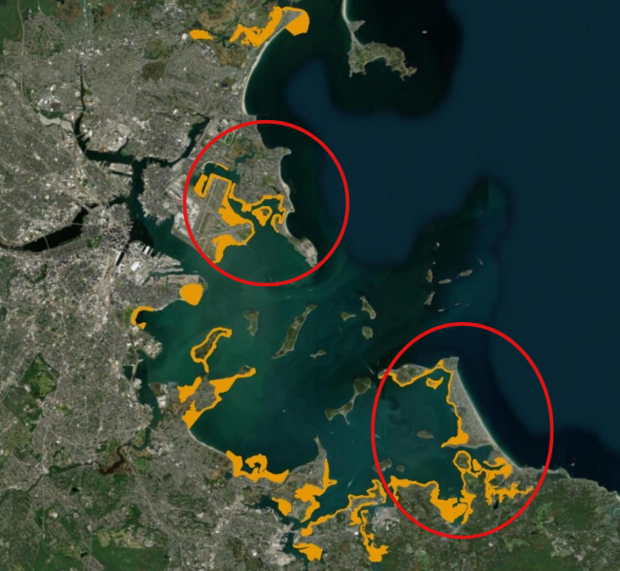
Thanks in large part to the multi-billion-dollar Boston Harbor clean-up, water quality has improved enough for portions of the harbor to be reclassified as Conditionally Approved, allowing shellfish to be harvested for direct consumption. The areas under consideration include some of the most productive shellfish habitats in the state, located in parts of Winthrop, Hingham, and Hull. Once reopened, both commercial and recreational shell fishermen will be able to harvest shellfish for personal use or direct sale for the first time in a century.
While some harvesting has occurred in these areas over the years, it was tightly controlled. Soft-shell clams collected from the harbor were required to go through the depuration plant in Newburyport, where shellfish are purified to remove contaminants. Although effective, the depuration process is expensive, labor-intensive, and limited to a small group of specially trained and certified commercial harvesters. As a result, most residents were unable to benefit from this resource. Reclassification will eliminate the need for that process and open access to a fishery that has long been off limits to the general public.
The Massachusetts Division of Marine Fisheries has completed its analysis showing that large areas of the Outer Harbor meet the water quality standards required for direct harvest. However, reopening the fishery requires additional coordination with local municipalities. Massachusetts is a home-rule state, which means management of the shell fisheries in clean waters falls to individual cities and towns.
Because Winthrop, Hingham, and Hull have no history of managing shellfisheries, several steps must be completed before harvesting can begin. These include developing local management plans, establishing enforceable regulations and permitting systems, hiring and training Shellfish Constables, and creating a Conditional Area Management Plan to address temporary closures following rainfall, sewage spills, or other water quality events.
DMF shellfish staff have already begun working with officials from all three towns, and the process is underway. If requirements are completed as planned, portions of Boston Harbor could reopen to shellfishing this year.
Reopening the Habor to direct shellfish harvest stands as one of the clearest indicators yet that the decades-long clean-up effort has been a success, and a sign that additional areas of Greater Boston Harbor may follow in the future.
.jpg.small.400x400.jpg)
