




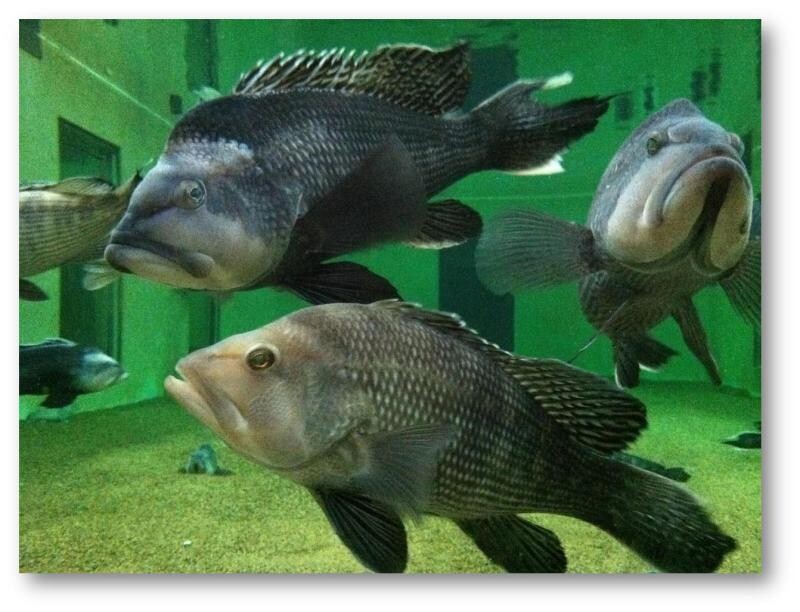
Black sea bass, once considered primarily a mid-Atlantic species, has become increasingly common in Massachusetts waters over the past several decades. As biomass has grown, fishing effort has followed, particularly in southern New England, where the species is now a staple for recreational anglers and an emerging consideration for commercial fisheries.
Recreationally, between 250,000 and more than one million black sea bass are caught each year in Massachusetts, with much of that activity concentrated in Buzzards Bay, Nantucket Sound, Vineyard Sound, and along Cape Cod. The fish typically arrive in state waters in mid-spring, when they aggregate to feed and spawn. Several spawning aggregations in Buzzards Bay are well known and consistently draw in fishermen, while new spawning locations continue to be identified. However, the timing and location of other feeding and spawning aggregations remain less understood.
In addition to increased abundance, black sea bass are also being found outside their historical range. Over the past decade, anglers and trap fisheries have reported the species with increasing frequency north of Cape Cod, including Cape Cod Bay and Boston Harbor, with some encounters extending farther into the Gulf of Maine. While concentrations remain lower north of Cape, increased biomass raised questions about potential interactions with juvenile lobster and whether expanded fishing opportunities could develop in northern regions of the state.
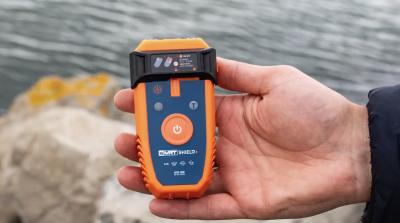
To better understand these trends, the Massachusetts Division of Marine Fisheries (DMF) launched a black sea bass tagging study in May 2025. Researchers tagged 66 fish near Cleveland Ledge in Buzzards Bay, surgically implanting acoustic transmitters that emit signals detected by receivers anchored to the seafloor. DMF maintains receiver arrays throughout state waters, including an established network in Buzzards Bay, allowing researchers to track fish movements over several years.
All 66 tagged fish were detected within the Buzzards Bay array following release. Many remained near their release location for several weeks, while others moved throughout the bay before exiting the monitored area. By July 4, approximately 90 percent of the tagged fish had left the array. Early detections shared by collaborating researchers have already documented 17 of the fish in Rhode Island waters, Nantucket Sound, Vineyard Sound, and near Block Island.
DMF plans to continue the study in 2026, tagging additional fish to further track range expansion and identify additional spawning grounds.
.jpg.small.400x400.jpg)
